

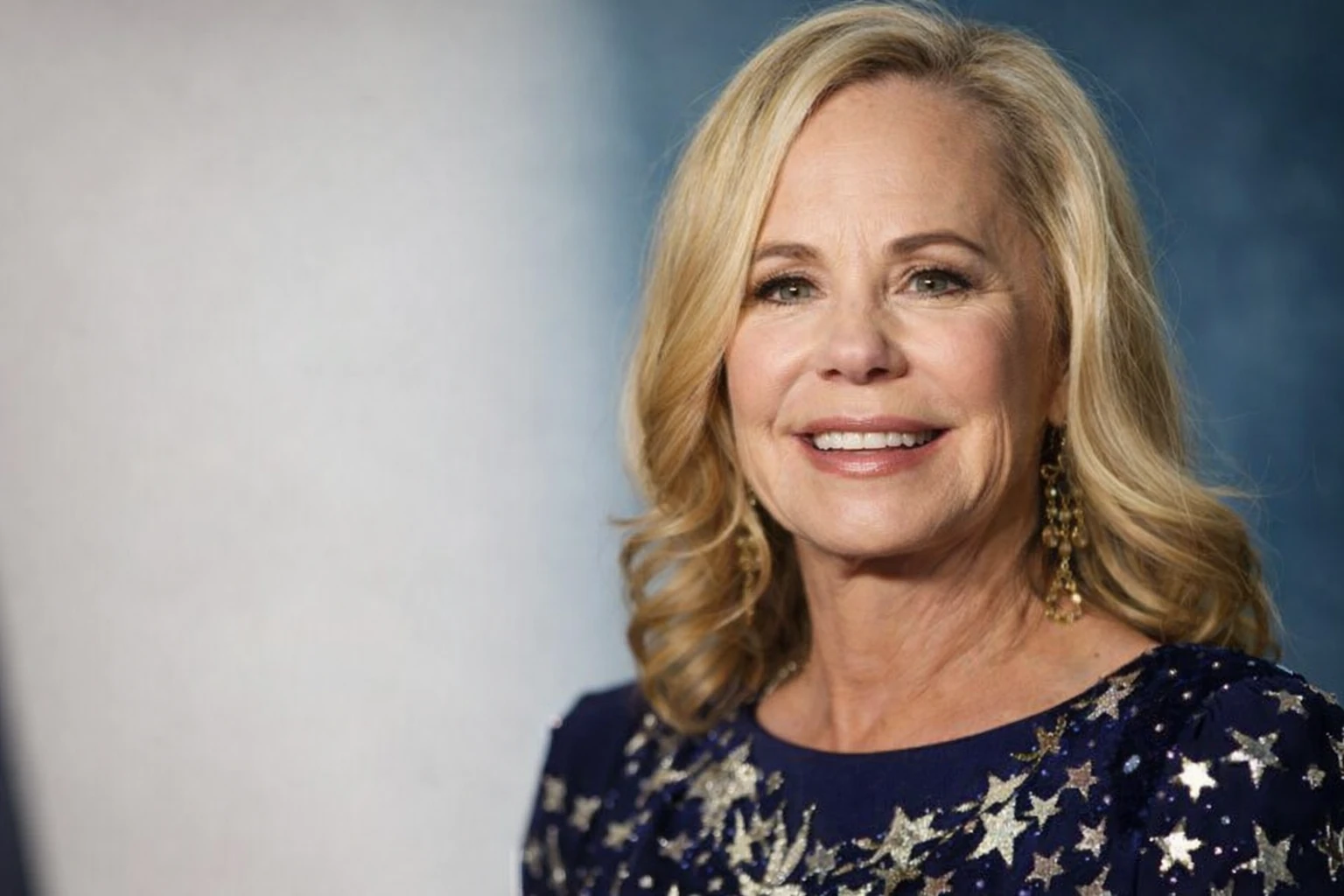
What remains is not a tale built on spectacle, but one shaped by timing, geography, and a decision—conscious or otherwise—to step away from attention. That absence has only made people more curious, which explains why her name continues to surface decades later.
Early Life and Family Background
The details of Margie Washichek’s early life are limited, and that’s not unusual for someone who never sought public recognition. Most available accounts suggest she was born in the mid-1940s, with December 25, 1946, often cited, though no widely verifiable record confirms that exact date. Her upbringing appears rooted in the American South, likely Mississippi or Alabama, regions that shaped many lives in the postwar era.
By all accounts, she came of age during a time when Southern college life carried a distinct rhythm. Social events, campus traditions, and community ties played a large role in shaping young adults. Margie eventually attended Spring Hill College in Mobile, Alabama, a private Jesuit institution known for its close-knit academic environment and strong Catholic heritage.
That detail matters more than it might seem. Spring Hill College wasn’t just a school; it was a social hub in Mobile, a place where friendships, relationships, and future paths often took shape. For Margie, it became the setting where her life briefly intersected with someone who would later define an entire musical era.
College Years and Local Recognition
Life at Spring Hill College in the late 1960s offered more than lectures and exams. Students participated in community events, regional traditions, and local competitions that tied the campus to the wider Mobile area. Margie Washichek was part of that world in a visible way.
In 1967, she was named Miss USS Alabama, a title connected to the USS Alabama Battleship Memorial Park. The program, launched that same year, was designed to promote the park and engage the local community. Being selected meant more than a title; it reflected popularity, presence, and recognition among peers.
Not many people know this, but that title places her squarely within Mobile’s social fabric at a time when the city’s identity was deeply tied to tradition and ceremony. College students who held such roles often became informal ambassadors for their communities, representing both youth culture and local pride.
That visibility also hints at something about her personality. While she would later step away from public life, during her college years she appears to have been engaged, social, and very much part of her surroundings.
Meeting Jimmy Buffett
Somewhere within that same college environment, Margie met Jimmy Buffett. At the time, Buffett was not yet the cultural figure people would come to know. He was a young man from the Gulf Coast, still figuring out his direction, drawn to music but far from certain success.
Their relationship grew during a period when both were navigating early adulthood. Buffett’s connection to Spring Hill College, as later noted by the institution, was tied directly to his relationship with Margie. The two became part of each other’s daily lives in Mobile, a city that would later influence Buffett’s storytelling and musical themes.
Here’s where it gets interesting. Buffett’s later persona—the laid-back troubadour of beaches and escape—often overshadows the uncertainty of his early years. But during his time with Margie, he was still experimenting, still trying to find his voice, both literally and figuratively.
That context matters because relationships formed during uncertain times often carry a different weight. They’re built not on established success but on shared beginnings, on hope rather than certainty.
Marriage and Early Adult Life
Margie Washichek and Jimmy Buffett married in 1969 at St. Joseph’s Chapel on the Spring Hill College campus. The setting was intimate and meaningful, rooted in the same place where their relationship had developed. For a young couple, it likely felt like a natural step forward.
Marriage, though, came at a complicated moment. Buffett was trying to establish himself in the music industry, eventually moving to Nashville, where he worked briefly for Billboard magazine and pursued recording opportunities. Those early years were far from glamorous.
His first album, Down to Earth, was released in 1970. It failed commercially, selling only a few hundred copies. That kind of setback doesn’t just affect a career; it affects daily life, finances, and emotional stability. For a young marriage, those pressures can be significant.
The truth is, their relationship unfolded during a period when nothing was guaranteed. There were no signs yet of the massive success Buffett would later achieve. Instead, there was uncertainty, long hours, and the challenge of building something from scratch.
Divorce and Life After Separation
By 1972, the marriage had ended. Margie Washichek and Jimmy Buffett divorced after roughly three years together. The reasons for their separation have never been publicly detailed, and that silence has left room for speculation, much of it unsupported.
What is clear is the timing. Their divorce came just before Buffett’s career began to gain traction. Within a year, he released A White Sport Coat and a Pink Crustacean, marking the beginning of a more recognizable sound and identity. By the mid-1970s, songs like “Come Monday” were bringing him wider attention.
That sequence often leads people to frame Margie’s role as part of a “before and after” narrative. But that framing can be misleading. Their marriage wasn’t a prelude to fame; it was a relationship that existed on its own terms, during a time when both individuals were still shaping their paths.
After the divorce, Margie stepped away from public life almost entirely. Unlike many individuals connected to celebrities, she did not give interviews, publish accounts, or maintain a visible presence tied to Buffett’s later success.
Jimmy Buffett’s Rise and the Contrast It Created
As Buffett’s career took off in the 1970s and beyond, the contrast between his public life and Margie’s private one became more pronounced. He built an empire that extended beyond music into restaurants, merchandise, and a distinct lifestyle brand.
His second marriage, to Jane Slagsvol in 1977, became part of his long-term personal narrative. Together, they raised a family and maintained a public presence that aligned with Buffett’s growing fame. That relationship, documented and visible, stood in stark contrast to the brief and largely undocumented first marriage.
What’s surprising is how often early relationships get rewritten in hindsight. Once Buffett became a household name, curiosity about his past intensified. Margie Washichek became part of that curiosity, even as she remained silent.
That silence, rather than diminishing her story, has made it more intriguing. People tend to fill in gaps when information is scarce, and in her case, those gaps have been filled many times over, often without evidence.
Financial Standing and Public Recognition
There is no reliable public information about Margie Washichek’s financial standing. Estimates that circulate online are often speculative and lack credible sourcing. Unlike Buffett, whose business ventures and earnings are well documented, Margie’s financial life has remained private.
During her college years, her recognition came through local achievements like the Miss USS Alabama title. Beyond that, there are no widely recorded awards or public honors tied to her name.
That absence doesn’t suggest a lack of accomplishment. It suggests a life lived outside the structures that typically generate public records. Many people lead meaningful, successful lives without leaving behind a trail of headlines or financial disclosures.
A Life Outside the Spotlight
After her divorce, Margie Washichek appears to have made a deliberate choice to remain private. There are no verified reports of public appearances tied to Buffett’s later fame, no confirmed interviews, and no attempts to capitalize on her brief connection to a rising star.
The truth is, that kind of restraint is rare. In a culture that often rewards visibility, stepping back requires a different kind of confidence. It means accepting that your story will not be widely told, at least not on your own terms.
Anyone who has followed celebrity culture closely would recognize how unusual that is. Many individuals connected to famous figures build secondary careers around that association. Margie did not.
That decision has shaped how her story is remembered. Instead of a detailed narrative, we are left with fragments—moments that hint at a fuller life but never fully reveal it.
Frequently Asked Questions
Who is Margie Washichek?
Margie Washichek is best known as the first wife of musician Jimmy Buffett. They married in 1969 and divorced in 1972, before Buffett achieved major commercial success. Beyond that connection, she has maintained a largely private life, with limited public information available about her.
Did Margie Washichek have a career in entertainment?
There is no verified evidence that Margie Washichek pursued a career in entertainment. Her public recognition during her youth came from local titles like Miss USS Alabama, not from involvement in the music or media industries.
How did Margie Washichek meet Jimmy Buffett?
Margie Washichek met Jimmy Buffett during their time connected to Spring Hill College in Mobile, Alabama. Their relationship developed within that college environment before leading to their marriage in 1969.
What happened to Margie Washichek after her divorce?
After her divorce from Buffett in 1972, Margie Washichek stepped away from public life. There are no widely confirmed details about her later years, and she has not maintained a public presence tied to Buffett’s career.
Why is Margie Washichek still searched today?
People continue to search for Margie Washichek because of her connection to Jimmy Buffett’s early life. As interest in Buffett’s personal history persists, curiosity about those who were part of his formative years remains strong.
Conclusion
Margie Washichek’s story is not one of fame, but of proximity to it. She appears briefly in the early chapters of Jimmy Buffett’s life, during years defined by uncertainty and ambition. Then she steps away, leaving behind a narrative that is both simple and incomplete.
That incompleteness is what draws people in. We are used to stories that reveal everything, that offer clear arcs and satisfying conclusions. Margie’s story doesn’t do that. It resists easy interpretation, and in doing so, it feels more real.
The truth is, not every life connected to fame becomes part of its machinery. Some remain separate, shaped by choices that prioritize privacy over recognition. Margie Washichek seems to belong to that group, and that choice has defined how her story endures.
As time moves forward, the curiosity around her name will likely continue. But the facts we have may remain the same: a young woman in Alabama, a brief marriage to a future icon, and a life that unfolded away from the public eye. Sometimes, that is the story, and it is enough.
