

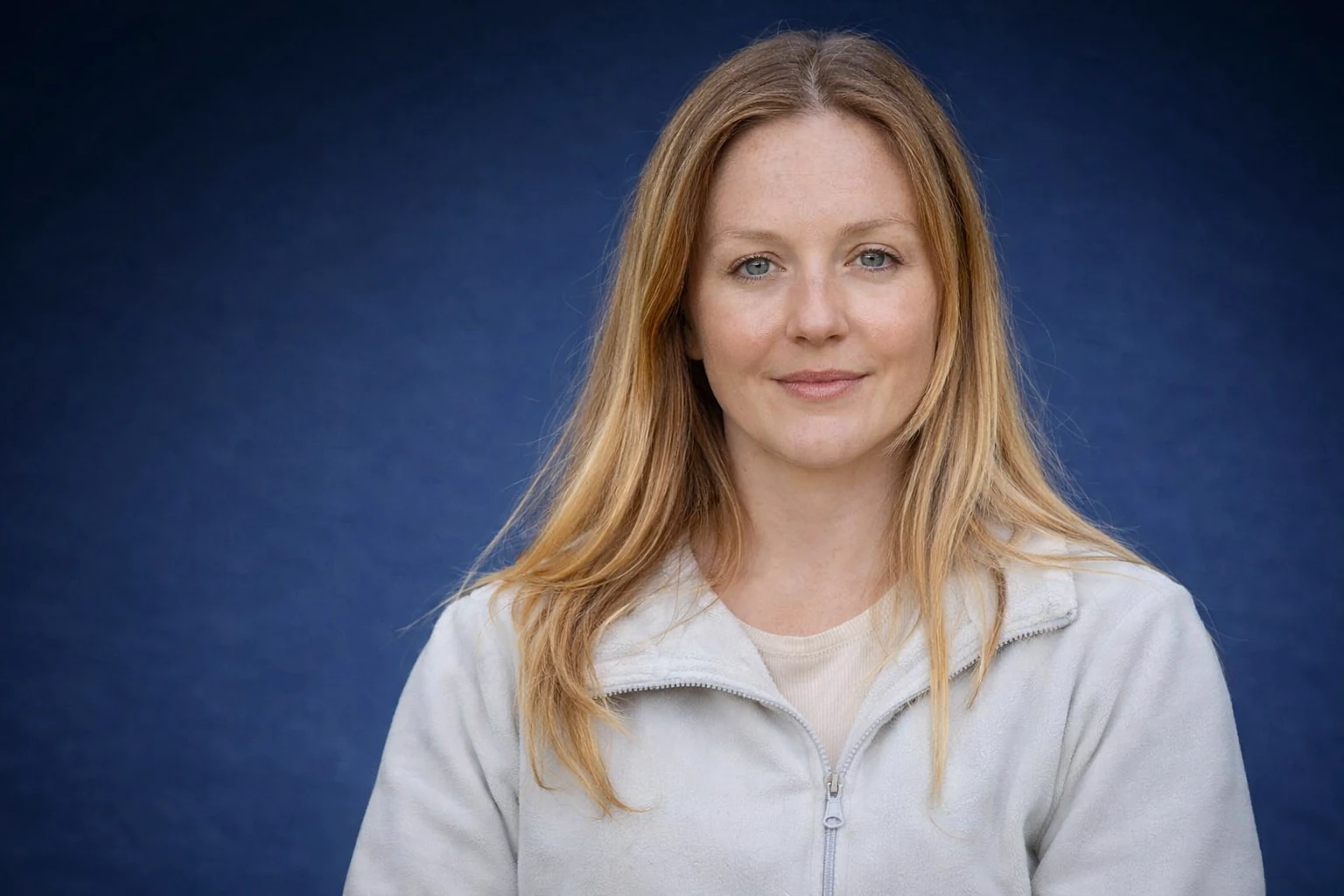
There are people who become famous by design, and then there are those whose names surface because of a moment they never chose. Felicity Tonkin falls into the second category. For decades, her name has appeared in headlines tied to a royal connection she did not create, and a story that unfolded before she could understand it.
The truth is, Felicity Tonkin has lived most of her life outside public view. Her story isn’t one of celebrity or ambition in the spotlight. It’s about how a brief episode involving a well-known figure can echo for years, attaching itself to someone who has otherwise built a private, grounded life far from the attention it once drew.
Early Life and Family Background
Felicity Tonkin was born in August 1985 in New Zealand, a country known for its distance from the British royal orbit. Her mother, Heather Tonkin, worked as an art teacher and raised Felicity largely out of public view. From the beginning, her upbringing reflected a life rooted in ordinary routines rather than public scrutiny.
But here’s where the story shifts. Before Felicity was born, Heather Tonkin had met Mark Phillips, an Olympic equestrian and at the time the husband of Princess Anne, the daughter of Queen Elizabeth II. Their meeting reportedly took place in New Zealand during one of Phillips’s visits related to his equestrian career.
For several years, Felicity’s life remained private, even as questions about her parentage lingered quietly in the background. It wasn’t until the early 1990s that those questions became a matter of public record. By then, Felicity was still a young child, unaware of how her name would soon be tied to international headlines.
The 1991 Paternity Case
In 1991, the situation became public when Heather Tonkin sought legal recognition that Mark Phillips was Felicity’s father. The case quickly drew attention, not because of Felicity herself, but because of Phillips’s royal connections. At the time, his marriage to Princess Anne had already come under strain, and the revelation added another layer of scrutiny.
A DNA test confirmed that Mark Phillips was indeed Felicity’s father. The result was widely reported and settled the legal question, though it also brought an intense wave of media coverage. For many readers, the story was framed as a royal scandal, but for Felicity, it marked the beginning of a lifelong association with a narrative she had no role in shaping.
Here’s where it gets interesting. While the test confirmed paternity, the public details that followed were limited and often filtered through tabloid reporting. There was no ongoing public storyline featuring Felicity herself. Instead, her name appeared as part of a broader discussion about Phillips and the royal family.
Growing Up Outside the Spotlight
Unlike many individuals connected to high-profile families, Felicity Tonkin did not grow up in public life. She was raised in New Zealand, far from the institutions, traditions, and expectations associated with the British monarchy. Her childhood appears to have followed a relatively normal path, shaped more by her local environment than by distant headlines.
Not many people know this, but there is very little verified public information about her early education or formative experiences. That absence is not unusual for someone who has actively remained private. It reflects a consistent pattern: Felicity Tonkin has not sought media attention, and as a result, reliable details about her life have remained limited.
That said, the public’s curiosity has never fully faded. Her connection to Mark Phillips continues to draw interest, especially as royal-related stories cycle through new generations of readers. Still, there is no evidence that Felicity herself has engaged with that attention or attempted to build a public identity around it.
A Royal Connection — but Not a Royal Life
The link between Felicity Tonkin and the British royal family is often misunderstood. She is the daughter of Mark Phillips, who was once married to Princess Anne, making her a half-sibling to Peter Phillips and Zara Tindall. But beyond that biological connection, there is no indication that she has held any role within royal circles.
The truth is, being related to someone with royal ties does not automatically confer status, recognition, or inclusion. Felicity Tonkin has never been part of official royal events, nor has she appeared in public alongside members of the royal family. Her life has unfolded independently, without the structure or visibility associated with that world.
There’s a catch, though. Public curiosity often blurs the line between connection and participation. Readers sometimes assume that any relative of a royal figure must share in that lifestyle. In Felicity’s case, that assumption doesn’t hold up. Her story is closer to that of a private citizen whose name happens to intersect with a well-known family history.
What Is Known About Her Adult Life
As Felicity Tonkin moved into adulthood, she maintained the same low profile that marked her early years. Verified details about her career or professional path are scarce, and many widely circulated claims originate from sources that repeat one another without clear evidence.
Some online biographies describe her as working in fields related to animals or veterinary care, but those claims are not consistently supported by strong, independent sources. Without confirmation from credible records or direct statements, such details remain uncertain. A careful account of her life has to acknowledge that gap rather than fill it with assumptions.
What’s clear is that she has chosen privacy over visibility. In a time when many people build public identities through social media and personal branding, Felicity Tonkin’s absence from those platforms stands out. It suggests a deliberate decision to keep her life separate from the narrative that once surrounded her.
Public Interest Across the Years
Interest in Felicity Tonkin has come in waves. It tends to rise when broader discussions about the royal family bring related figures back into focus. Articles about Zara Tindall, Princess Anne, or Mark Phillips often prompt renewed searches, drawing attention to connections that might otherwise remain obscure.
So what does this actually mean? It shows how stories tied to public figures can resurface long after the original events have passed. Even when the individuals involved are living private lives, the associations remain searchable and, in some cases, headline-worthy.
At the same time, the way her story is presented has shifted. Earlier reporting focused on the legal case and its implications. More recent content often frames her as a “hidden” or “unknown” relative, sometimes adding speculative details that are not clearly supported. That contrast highlights the need for careful, source-based writing when telling her story.
Personal Life and Privacy
One of the defining aspects of Felicity Tonkin’s biography is how little is publicly confirmed about her personal life. There are no verified reports detailing her relationships, marital status, or children. That absence is not a gap to be filled with conjecture, but rather a reflection of her consistent distance from public exposure.
But here’s the thing. In an era where personal details are often treated as public property, choosing privacy can be an active decision. Felicity Tonkin’s story suggests a preference for a life that is not shaped by external narratives or expectations tied to her father’s past.
It’s also a reminder that not every figure connected to a headline becomes a public personality. Some remain outside that world entirely, even as interest in their names persists.
Financial Status and Public Records
Unlike many individuals linked to high-profile families, there is no credible public estimate of Felicity Tonkin’s net worth. Financial figures that appear in some online articles are often unsupported by reliable sourcing and vary widely from one site to another.
The numbers tell a different story when examined closely. The absence of consistent, verifiable data suggests that her financial situation has not been part of any public record or reporting of note. This aligns with the broader pattern of her life: limited exposure and minimal documented detail.
Without confirmed information, any attempt to assign a specific figure would be speculative. A responsible biography treats that uncertainty with clarity, rather than presenting estimates as fact.
Recent Years and Current Life
As of 2026, Felicity Tonkin remains a largely private individual. There have been no confirmed public appearances, interviews, or statements that would suggest a shift toward a more visible role. Her name continues to appear primarily in retrospective or explanatory articles about her father’s past.
What’s surprising is how enduring that connection has been. More than three decades after the paternity case, it still shapes how she is introduced and understood in public discussions. Yet there is no evidence that she has sought to engage with or redefine that narrative.
In many ways, her current life reflects continuity rather than change. She has remained consistent in her distance from public attention, even as interest in her story resurfaces from time to time.
Frequently Asked Questions
Who is Felicity Tonkin?
Felicity Tonkin is a New Zealand-born woman known publicly as the daughter of Mark Phillips, the former husband of Princess Anne. Her parentage was confirmed through DNA testing in 1991. Beyond that connection, she has lived a largely private life. There is limited verified information about her personal or professional activities.
How is Felicity Tonkin related to the British royal family?
She is the biological daughter of Mark Phillips, who was married to Princess Anne from 1973 to 1992. This makes Felicity a half-sister to Peter Phillips and Zara Tindall. However, she is not a member of the royal family and has no official role within it. Her connection is strictly through her father.
Was Felicity Tonkin raised in the United Kingdom?
No, she was raised in New Zealand. Her upbringing took place outside the British royal environment. This distance contributed to her private lifestyle and limited public exposure. There is no indication that she spent significant time within royal circles.
What does Felicity Tonkin do for a living?
There is no confirmed public record of her profession. Some online sources suggest careers related to animal care, but these claims are not consistently verified. Without reliable documentation, her professional life remains unclear. A careful account avoids presenting unconfirmed details as fact.
Does Felicity Tonkin have a relationship with her half-siblings?
There is no publicly verified information about her relationship with Peter Phillips or Zara Tindall. Media reports have occasionally speculated on this topic, but they lack clear sourcing. As a result, any claims about personal relationships should be treated with caution. The available record does not provide definitive answers.
Conclusion
Felicity Tonkin’s life offers a different kind of biography. It is not built on public achievements, high-profile appearances, or a carefully managed image. Instead, it is shaped by a single, well-documented event that connected her name to a much larger story.
That connection has endured, even as the details of her own life have remained largely private. It shows how a moment in time can leave a lasting mark, not just on the people directly involved, but on how they are perceived years later. At the same time, it highlights the limits of what can truly be known about someone who chooses not to step into the public eye.
There’s a quiet consistency in the way her story has unfolded. Despite ongoing curiosity, Felicity Tonkin has remained outside the spotlight, allowing her life to take shape on her own terms. That decision, in itself, is part of what makes her story stand out.
Looking ahead, it’s unlikely that her public profile will change dramatically. If anything, her biography serves as a reminder that not every name tied to a headline becomes a public figure. Some remain, quite deliberately, beyond it.
