

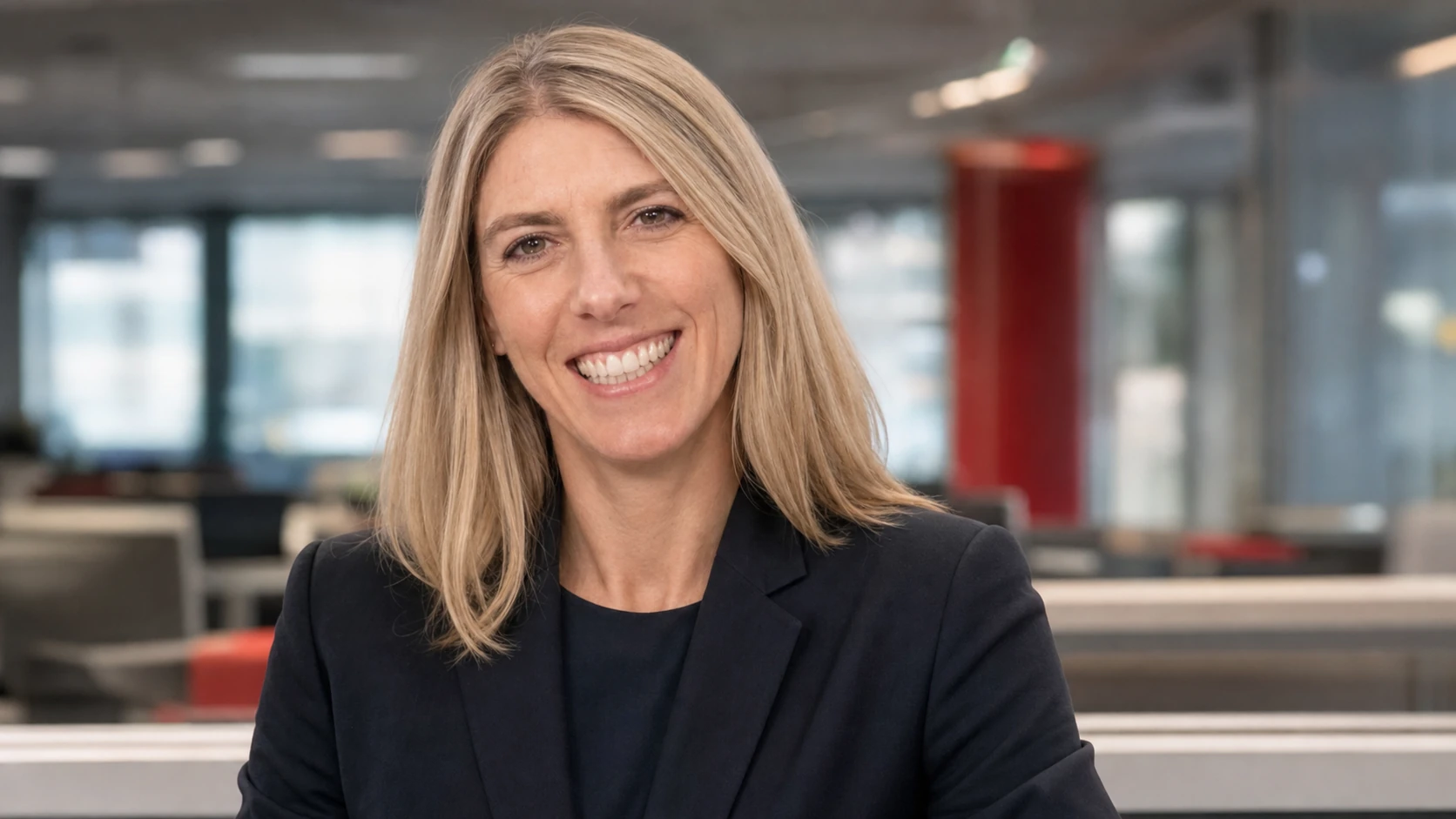
Judith Moritz has built her reputation by reporting stories in which accuracy matters more than visibility. As a BBC News special correspondent, she has covered major criminal trials, public inquiries, disasters, and long-running campaigns for justice, often explaining difficult evidence to national audiences under intense scrutiny.
Her work has made her a familiar face and voice, especially during coverage of the Lucy Letby case, the Manchester Arena bombing, and the legal aftermath of the Hillsborough disaster. That public profile has also prompted interest in her personal background, including frequent searches for “Judith Moritz age.”
The central fact is clear: Judith Moritz’s exact age and date of birth are not publicly confirmed by a reliable professional source. Some biography websites claim that she was born on March 12, 1977, but those pages do not provide dependable evidence, and at least one contains an age that conflicts with the stated birth year. Her age should therefore be treated as private or unverified rather than presented as established fact.
Who Is Judith Moritz?
Judith Moritz is a BBC News special correspondent known for court reporting, investigative journalism, and coverage of major public-interest cases. Her work appears across BBC television, radio, and online services, including BBC One’s national news programmes, BBC Radio 4’s Today programme, the BBC World Service, and the BBC News website.
Her professional biography describes a reporting career spanning about 25 years. During that period, she has worked on cases involving serial killer Harold Shipman, Moors murderer Ian Brady, the Morecambe Bay cockling disaster, child sexual exploitation in Rochdale and Rotherham, the Hillsborough legal proceedings, and the Manchester Arena bombing.
These assignments involve more than appearing outside a courthouse for a brief television update. Court correspondents must follow months of testimony, understand legal restrictions, check competing claims, and explain evidence without overstating what has been proved. Moritz’s career has been defined by that patient, evidence-led form of journalism.
She has also moved into long-form documentary and book work. Her reporting on the Lucy Letby case led to BBC Panorama programmes and a book written with producer and journalist Jonathan Coffey.
Judith Moritz’s Age and Date of Birth
Judith Moritz has not publicly confirmed her date of birth through an official BBC biography, an authorised professional profile, or a clearly sourced interview. Her literary agency profile discusses her career, awards, major reporting assignments, and current home city, but it does not give her age or birth year.
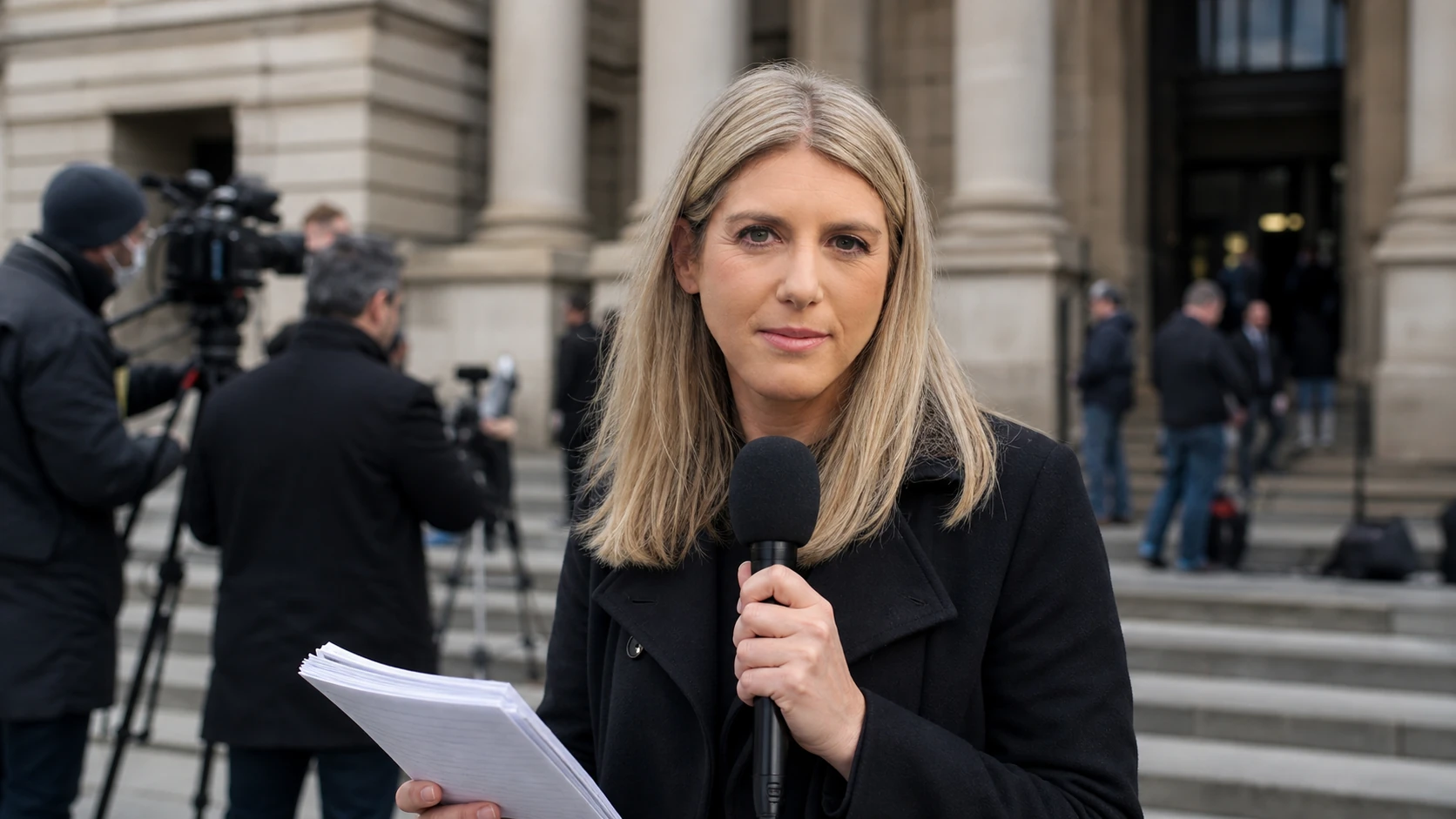
A date of March 12, 1977, appears on some online biography pages. If that date were correct, Moritz would be 49 years old in 2026. The problem is that the date has not been supported by a reliable primary source.
One page repeating the 1977 claim also described her as 44 years old despite carrying a much later publication date. That contradiction suggests the information may have been copied from an older article, generated without careful checking, or repeated from another unsupported page.
For a biography editor, the correct approach is not to choose the most common number and present it as fact. The responsible answer is that Judith Moritz’s exact age remains not publicly confirmed. The reported 1977 birth date can be acknowledged as an unverified online claim, but it should not be treated as settled biography.
Early Life and Family Background
Little verified information is publicly available about Judith Moritz’s childhood, parents, siblings, or early upbringing. She has spent much of her professional life reporting on other people rather than promoting her own personal story, and her official biography reflects that boundary.
Some online profiles describe Manchester as her birthplace, but a dependable source confirming her place of birth has not been identified. What is publicly supported is her strong professional and personal connection to Manchester, where she is based and where many of her best-known reporting assignments have taken place.
Her nationality is often assumed from her work and residence, but detailed citizenship information is not a standard part of her public professional profile. It is safest to describe her as a BBC journalist based in Manchester rather than add personal details that she has not formally disclosed.
This limited public record is not unusual for a correspondent covering criminal cases and sensitive investigations. Journalists working on violent crime, terrorism, institutional failures, and disputed legal proceedings may have practical reasons to keep information about relatives and early family life outside the public domain.
Education and Entry Into Journalism
Judith Moritz’s official biography does not provide a confirmed account of her schooling, university education, or journalism training. Some unsourced websites claim that she attended Withington Girls’ School and later studied English literature at University College London, but those claims should remain unconfirmed unless supported by an authorised biography, alumni record, or direct interview.
Her precise first job in journalism is also not clearly documented in the available professional material. Her agency describes her as having about 25 years of reporting experience, which suggests a career beginning around the turn of the century, but the wording should not be used to invent an exact starting year.
What can be established from her later work is that she developed specialist experience in courts, inquiries, and legally sensitive reporting. Such a career usually requires strong editorial judgment, careful note-taking, knowledge of contempt and reporting restrictions, and the ability to absorb large volumes of technical evidence.
Moritz’s progression into a senior BBC correspondent role indicates long-term trust from editors. Her assignments have repeatedly placed her at the centre of stories where mistakes could affect legal proceedings, grieving families, public confidence, or the reputations of institutions.
Career at the BBC
Moritz is best known for her work with BBC News, where she serves as a special correspondent. Her reporting reaches audiences through television packages, live broadcasts, radio interviews, documentaries, and written digital coverage.
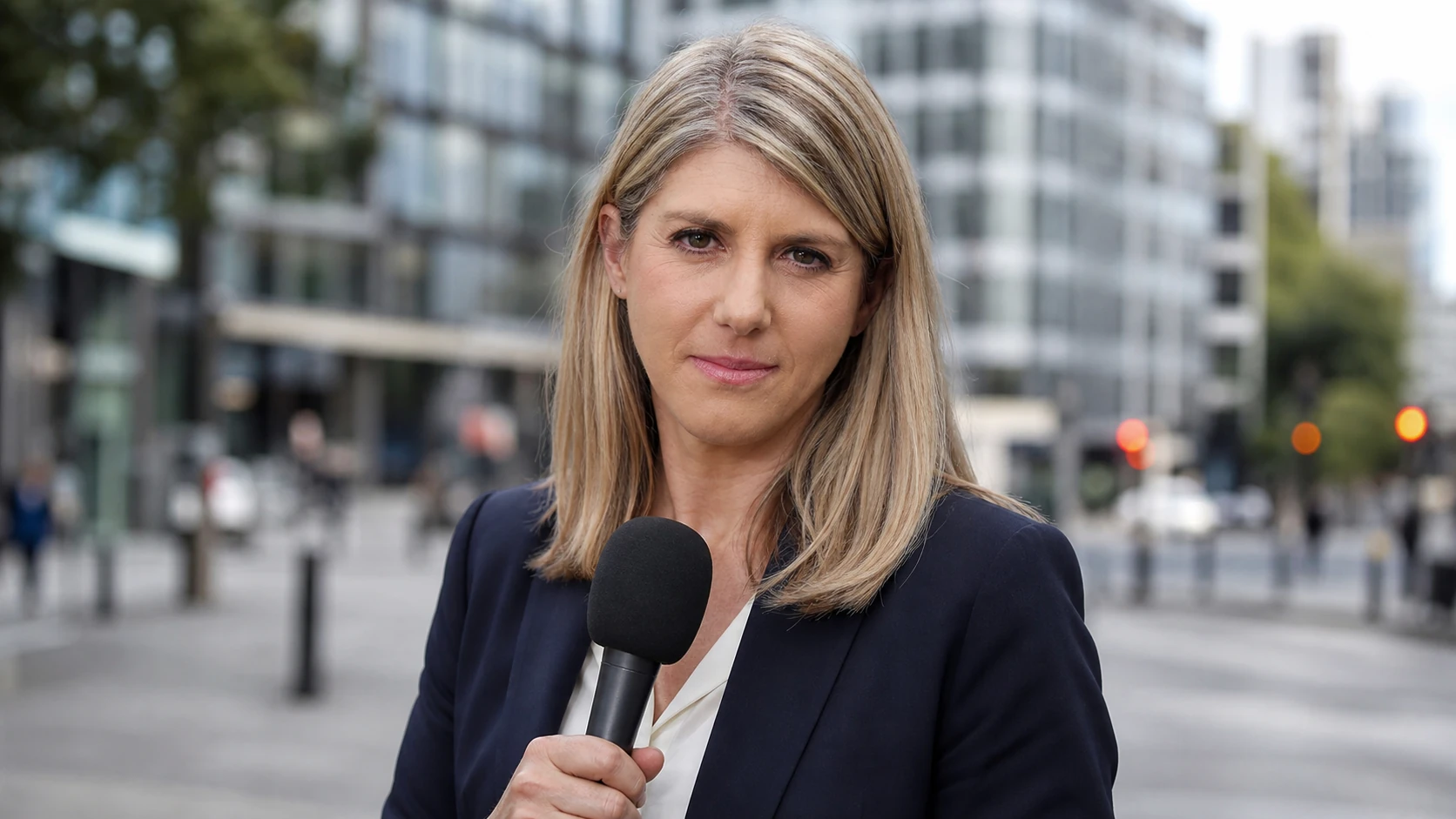
Her career has focused strongly on northern England, though the importance of the stories has often made them national and international news. She has reported on major criminal cases, institutional accountability, public inquiries, and campaigns by families seeking answers after disasters or alleged failures by authorities.
One of her earlier major areas of work involved cases connected with Harold Shipman, the doctor convicted of murdering patients. She has also reported on matters involving Ian Brady, one of the perpetrators of the Moors murders, whose crimes and later legal disputes remained part of British public life for decades.
Moritz covered the Morecambe Bay disaster, in which 23 Chinese cockle pickers died after becoming trapped by rising tides in 2004. The case raised questions about labour exploitation, illegal gangmasters, migration, and workplace protection, requiring reporters to connect a local tragedy with wider failures in regulation and enforcement.
She also reported on child sexual exploitation cases in Rochdale and Rotherham. Those stories involved criminal prosecutions, institutional failings, criticism of police and local authorities, and difficult questions about why victims were not believed or protected sooner.
Hillsborough Reporting
The Hillsborough disaster became one of the defining long-running stories of Moritz’s career. Ninety-seven Liverpool supporters ultimately lost their lives as a result of the 1989 stadium crush, and families spent decades challenging false accounts of what happened.
Moritz specialised in the legal aftermath, including inquests, court proceedings, and continuing efforts to establish responsibility. Reporting Hillsborough required close attention to evidence accumulated across many years, as well as sensitivity toward families who had endured repeated investigations and public misrepresentation.
The story also demonstrated the value of journalistic continuity. A correspondent who follows a case over a long period can explain why a new ruling matters, how it relates to earlier findings, and where legal outcomes differ from wider questions of moral or institutional responsibility.
Her association with Hillsborough helped establish her as a journalist trusted with complex stories that cannot be reduced to a single verdict or press conference.
Manchester Arena Bombing Coverage
Moritz led or contributed prominently to BBC reporting on the aftermath of the Manchester Arena bombing. The attack on May 22, 2017, killed 22 people and injured many others after an Ariana Grande concert.
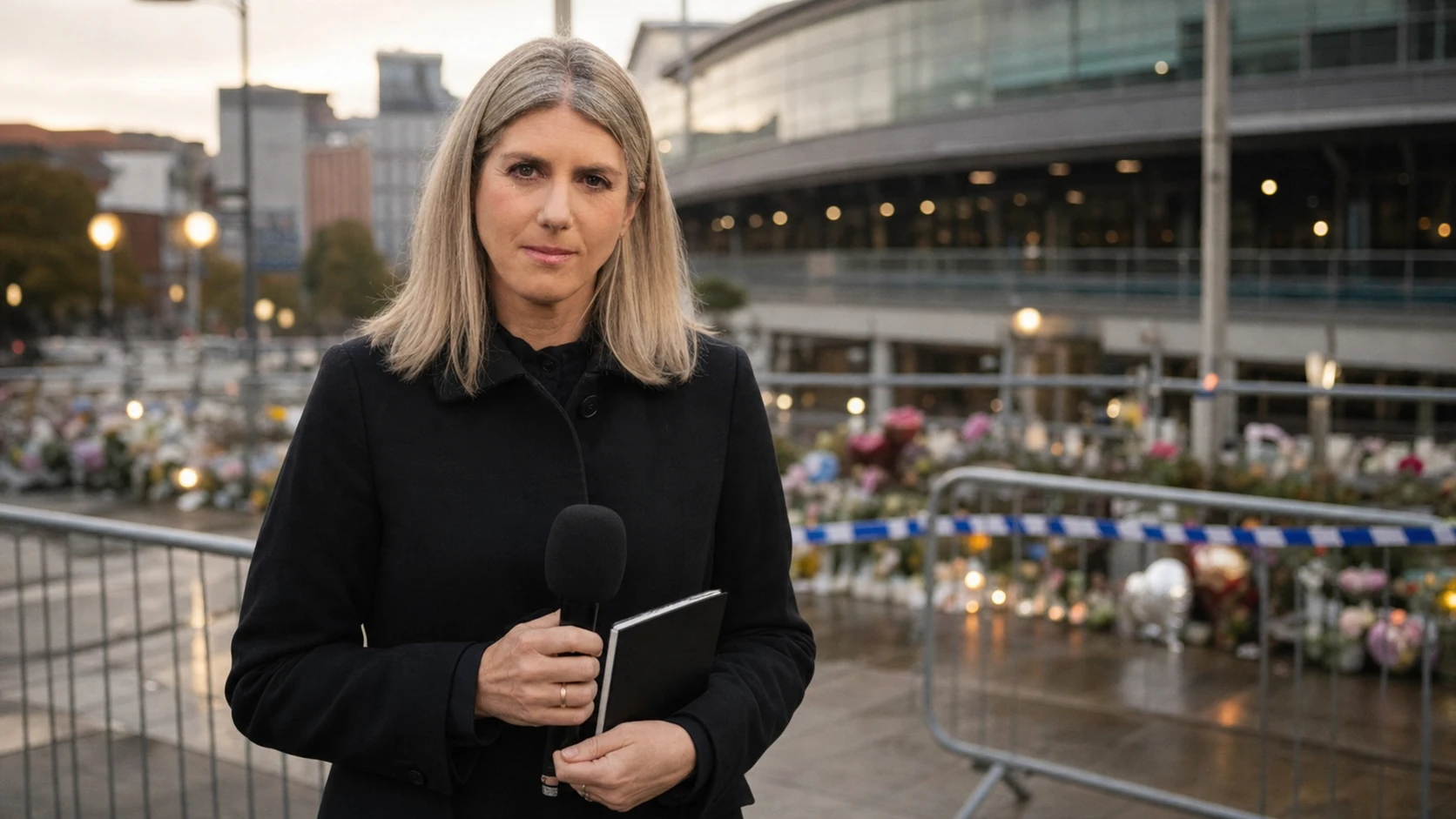
The story continued long after the night of the bombing. It included criminal investigations, questions about the attacker and his network, emergency response failures, intelligence assessments, survivor experiences, and the public inquiry.
As a Manchester-based correspondent, Moritz reported on a tragedy affecting the city and families within the region she covers. Her work required both local knowledge and the distance needed to assess official evidence fairly.
Coverage of the inquiry placed particular demands on journalists because findings concerned multiple organisations, including emergency services, venue security, and state agencies. The task was to explain responsibility without losing sight of the people killed, injured, or traumatised.
The Lucy Letby Case
Judith Moritz gained wider public recognition through her coverage of the trial of Lucy Letby, the former neonatal nurse convicted of murdering babies and attempting to murder others at the Countess of Chester Hospital.
Moritz was described by her professional representatives as the only television journalist who remained in the courtroom throughout the main trial. She spent close to a year following the proceedings, listening to medical evidence, witness accounts, expert testimony, and Letby’s own evidence.
That sustained presence gave her a different perspective from commentators who encountered the case through selected transcripts, summaries, or later public debate. Moritz has stressed in interviews that the evidence was presented cumulatively over many months and that individual details could not always be understood properly in isolation.
Her BBC work included extensive television and online reporting, live coverage of verdicts and sentencing, and Panorama documentaries. She worked with Jonathan Coffey on Lucy Letby: The Nurse Who Killed and later reporting that examined unresolved questions and challenges raised about the case.
In October 2024, Moritz and Coffey published Unmasking Lucy Letby: The Untold Story of the Killer Nurse. The book examined the investigation, trial, prosecution case, defence decisions, hospital background, and continuing debate surrounding the convictions.
The authors did not approach every question from an identical position. Moritz’s courtroom experience led her to believe that the prosecution had proved its case, while Coffey expressed more uncertainty about some aspects. That difference allowed the book to reflect the tension between the legal outcome and the questions being raised in public discussion.
Moritz remained involved in follow-up reporting during 2025, including BBC coverage of experts and campaigners challenging parts of the medical evidence. Her role was not simply to repeat earlier conclusions but to test new claims against the trial record and seek responses from competing sides.
Awards and Professional Recognition
Moritz’s authorised biography credits her with recognition from the Royal Television Society and the BT Press and Broadcast Awards. Publicly available summaries do not always provide a full list of categories and dates, so claims about specific wins should be made only where supporting records are available.
The more meaningful measure of her standing is the type of work she has been assigned. Major trials, disasters, public inquiries, and institutional scandals are generally entrusted to correspondents who can handle legal risk and human sensitivity while reporting clearly under deadline pressure.
Her career also shows the growing range expected of senior journalists. She works not only in daily television news but across radio, online articles, documentary production, live reporting, and book publishing.
That ability to move between formats has helped her explain stories that unfold over years rather than days.
Marriage, Children, and Private Life
Judith Moritz’s official professional biography says that she lives in Manchester with her family. It does not publicly identify her spouse, provide the number or names of any children, or offer details about her home life.
Some biography websites claim that she is married to BBC journalist Nick Garnett. That relationship has not been clearly confirmed in the authoritative professional material used for this profile, so it should not be presented as fact without stronger evidence.
Moritz appears to maintain a firm separation between her public work and private relationships. She does not rely on family exposure or personal-life publicity to build her professional identity.
Her agency profile does include one light personal detail: she enjoys running, although it describes her humorously as a slow runner. Beyond that, most public information concerns her journalism rather than her household or social life.
Judith Moritz’s Net Worth and Salary
Judith Moritz’s net worth is not publicly confirmed. No reliable financial disclosure, company filing, contract record, or authorised statement provides a figure for her personal wealth.
Websites that assign exact net worth estimates to television journalists often base them on assumptions rather than documented assets or earnings. Such numbers may be repeated widely while tracing back to no verifiable source.
Her known income is likely connected to her BBC journalism, documentary work, and book authorship. The terms of her BBC employment, publishing agreement, royalties, and any speaking or media fees have not been made public.
It is therefore more accurate to say that Moritz has an established senior media career but that her salary and net worth remain private. A precise estimate would create an appearance of certainty that the public record does not support.
Public Image and Reporting Style
Moritz’s public identity is closely tied to serious, restrained reporting. She is associated with courtrooms, inquiry hearings, and major breaking developments rather than celebrity interviews or opinion-led broadcasting.
Her strongest professional asset is continuity. She often remains with a case through trials, appeals, inquiries, official reports, and later challenges, allowing her to explain how each stage connects to the last.
That approach also exposes her to criticism when a case becomes politically or publicly divided. The Lucy Letby debate, for example, has produced strong reactions from people convinced either that the convictions are secure or that the evidence deserves fresh examination.
Moritz’s reporting has generally sought to distinguish between a claim, a legal finding, an expert opinion, and an unanswered question. That distinction is central to responsible court journalism and helps explain why she has remained a prominent BBC correspondent.
Recent Work and Current Status
During 2024, Moritz’s most visible project was the publication of Unmasking Lucy Letby, written with Jonathan Coffey. The book extended their reporting beyond daily news coverage and gave readers a fuller account of the investigation and trial.
In 2025, she continued examining the Letby case as debate intensified around medical evidence, expert testimony, and possible review processes. Her BBC documentary work presented competing claims while drawing on the detailed court record she had observed first-hand.
As of 2026, Moritz continues to be identified professionally as a BBC News special correspondent. There has been no reliable public announcement indicating that she has left the BBC or retired from journalism.
Her authorised profile still presents her as a Manchester-based reporter, author, and documentary journalist focused on major legal and public-interest stories.
Frequently Asked Questions
How old is Judith Moritz?
Judith Moritz’s exact age is not publicly confirmed. Some online pages claim she was born on March 12, 1977, which would make her 49 in 2026, but that date has not been verified through an official or dependable source.
What is Judith Moritz’s date of birth?
No confirmed date of birth appears in her official professional biography. The March 12, 1977 date circulating online should be treated as an unverified claim.
What does Judith Moritz do?
Judith Moritz is a BBC News special correspondent. She reports on criminal trials, disasters, public inquiries, institutional failures, and other major public-interest stories for television, radio, and online audiences.
Is Judith Moritz married?
Her authorised biography says she lives in Manchester with her family, but it does not confirm the identity of a spouse. Claims naming her husband on biography websites are not supported strongly enough to state as fact.
Does Judith Moritz have children?
Information about whether Judith Moritz has children, including their names or ages, has not been publicly confirmed. She keeps her family life largely private.
What is Judith Moritz’s net worth?
Her net worth is not publicly known. Figures published by celebrity wealth websites should be treated cautiously because no reliable financial records or authorised statements support a precise estimate.
What is Judith Moritz known for?
She is known for BBC coverage of Hillsborough, the Manchester Arena bombing, child sexual exploitation cases, major criminal proceedings, and the Lucy Letby trial. She also co-wrote Unmasking Lucy Letby with Jonathan Coffey.
Conclusion
Judith Moritz has earned recognition through persistence rather than personal publicity. Her career has placed her inside courtrooms and inquiries where facts emerge slowly, evidence is contested, and families often wait years for answers.
That public role explains the interest in her biography, but it does not make every personal detail available. Her exact age, date of birth, education, marriage, children, salary, and net worth are either unconfirmed or only partly documented.
What is established is more substantial: she has spent about 25 years reporting some of Britain’s most difficult legal and public-interest stories. Her work across BBC television, radio, documentaries, digital reporting, and books reflects a career built on close observation and long-term engagement.
Moritz’s story is ultimately less about an uncertain birth date than about the demands of responsible journalism. In an era of rapid claims and recycled information, her professional value lies in staying with the evidence long enough to explain what is known, what remains disputed, and what the public still needs to understand.
