

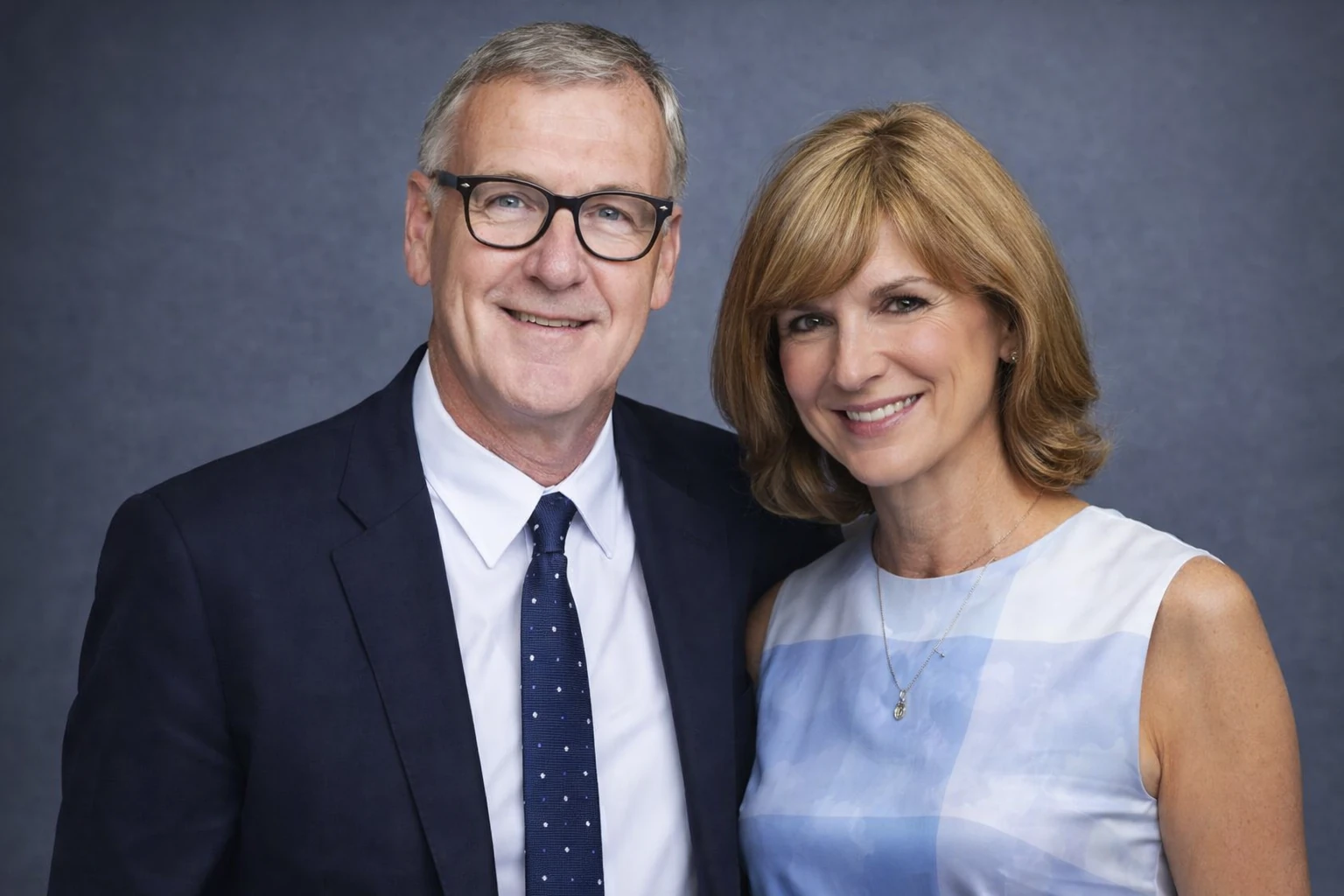
You won’t find long interviews where he explains his philosophy. You won’t see him trending on social media. But talk to people who’ve worked across advertising, film distribution or audience measurement in the UK, and his name comes up with a kind of steady respect. He’s the executive who shows up when stability matters more than noise, and over the years, that has made him one of the most trusted figures in the business.
Early Life and Family
Nigel Sharrocks has kept his early life largely private, which fits the pattern of someone who never chased the spotlight. Public records don’t offer a detailed map of his childhood, and he has never built a public persona around personal history. That said, people familiar with his career often describe him as classically British in his professional temperament, shaped by a culture that values restraint, reliability and measured judgment.
Growing up in the United Kingdom, Sharrocks would have come of age during a period when advertising and media were undergoing rapid expansion. The late 1970s and 1980s saw agencies grow in scale and influence, while television and film industries became more commercially aggressive. Anyone entering the field at that time had to adapt quickly, because the rules were being rewritten in real time.
What’s striking is how little he has allowed personal background to define his public image. There are no dramatic origin stories attached to his name, no heavily marketed narrative about struggle or early ambition. Instead, his career tells the story more clearly than any childhood anecdote could. It suggests a person who preferred to let work speak first and biography come second.
Education and Early Influences
Details about Sharrocks’ formal education are not widely documented in public sources, which again reflects his low-profile approach. But the trajectory of his early career points to a strong grounding in business, communication and client management. Advertising in the UK has always demanded a mix of analytical thinking and interpersonal skill, and those who rise through its ranks tend to have both.
Anyone who entered agencies during that period had to learn quickly how to handle clients with large budgets and even larger expectations. Campaigns were not just creative exercises. They were commercial bets tied to sales, reputation and long-term brand positioning. That environment shaped a generation of executives who could balance creativity with accountability.
By all accounts, Sharrocks absorbed those lessons early. Colleagues from later stages of his career often described him as someone who understood both the creative and commercial sides of media. That balance became a defining feature of his leadership style, especially as he moved into roles where the stakes were much higher.
Career Beginnings in Advertising
Sharrocks began his career in advertising, working his way through the agency world at a time when the industry was becoming more structured and global. He held senior roles at Grey Advertising and related businesses during the 1990s, a period when agencies were consolidating and expanding their international reach.
This was not an easy environment to stand out in. Agencies were under pressure to deliver measurable results, while also maintaining strong relationships with multinational clients. Success required more than creative flair. It demanded discipline, negotiation skills and a clear understanding of how media spending translated into business outcomes.
The truth is, advertising can be unforgiving. Clients leave quickly if they lose confidence, and reputations can shift overnight. Sharrocks’ ability to rise through that system suggests he built trust early and maintained it over time. That trust would become one of his most valuable assets in later roles, especially when he moved beyond agencies into broader media leadership.
Moving into Film: Warner Bros. UK
One of the most significant transitions in Sharrocks’ career came when he joined Warner Bros. Entertainment UK as managing director. This move marked a shift from agency work into film distribution, a field where the stakes are both commercial and cultural.
Running a major studio operation in the UK involves far more than releasing films. It requires coordination with cinemas, planning marketing campaigns, managing release schedules and responding to audience trends that can change quickly. A single film’s success or failure can have ripple effects across the business.
During his time at Warner Bros., Sharrocks operated in an environment where timing and positioning were everything. Blockbusters needed to land at exactly the right moment, supported by campaigns that could cut through a crowded market. That experience sharpened his understanding of audience behavior and the economics of attention, lessons that would follow him throughout his career.
What’s surprising is how naturally that transition seems to have fit. Moving from advertising into film could have been a risk, but in practice, it built on the same core skills: understanding audiences, managing large budgets and delivering results under pressure. It also expanded his perspective, giving him insight into how content itself drives the media ecosystem.
Leadership at Aegis Media
Sharrocks later joined Aegis Media, where he rose to become chief executive of Aegis Media Global Brands. By the time he reached that position, the media industry was entering one of its most disruptive phases. Digital platforms were changing how advertising worked, and traditional models were being challenged from every direction.
He spent nine years with Aegis, stepping down in 2013. That period included the acquisition of Aegis by the Japanese firm Dentsu, a deal that reshaped the company and signaled broader changes in the global media market. Managing through that kind of transition requires steady leadership, especially when employees, clients and partners are all trying to understand what comes next.
Anyone who knew the business at the time would tell you it wasn’t a simple handover. Mergers often create uncertainty, and it takes a certain kind of executive to keep operations stable while ownership changes. Sharrocks stayed through that process, which speaks to the confidence placed in him by both colleagues and stakeholders.
His time at Aegis cemented his reputation as a leader who could handle complexity without losing focus. He wasn’t known for dramatic gestures or bold public statements. Instead, he built credibility through consistent performance and an ability to navigate change without unnecessary disruption.
Transition to Chairman Roles
After leaving Aegis in 2013, Sharrocks did not step away from the industry. Instead, he moved into a series of chairman roles that placed him at the center of key media institutions. That shift marked a new phase in his career, one defined less by day-to-day management and more by governance and oversight.
Digital Cinema Media appointed him non-executive chairman in September 2013. The company represents a major force in UK cinema advertising, working with leading cinema chains and major brands. As chairman, Sharrocks became responsible for guiding strategy, supporting leadership and ensuring the business remained competitive in a changing market.
That same year, he was appointed chairman of BARB, the UK’s official television audience measurement body. This role carries significant responsibility, as BARB’s data influences billions of pounds in advertising spending and shapes decisions across the media industry. It’s a position that requires independence, credibility and a deep understanding of how media works.
The move into these roles reflected a broader pattern in his career. As he gained experience, he was trusted with positions that required judgment rather than visibility. These are the roles where decisions have long-term consequences, and where trust matters more than personal branding.
Marriage to Fiona Bruce and Family Life
For many people outside the media industry, Nigel Sharrocks first comes to attention through his marriage to Fiona Bruce. She is one of the BBC’s most recognizable presenters, known for her work on “BBC News,” “Antiques Roadshow,” and “Question Time.” Their relationship has occasionally drawn public interest, especially given Bruce’s high profile.
The couple married in 1994 and have two children together. By all accounts, they have maintained a relatively private family life despite Bruce’s visibility. That balance is not always easy to achieve, particularly when one partner is a public figure and the other operates behind the scenes.
Friends and colleagues often describe their relationship as grounded and supportive. While Bruce’s career has placed her in front of millions of viewers, Sharrocks has continued to focus on his own work without seeking attention. That dynamic seems to have worked for them, allowing both to pursue demanding careers while keeping their personal life largely out of the spotlight.
What stands out is how consistent that approach has been. Over the years, neither has turned their relationship into a public narrative. Instead, they’ve treated it as something separate from their professional identities, which is increasingly rare in a media environment that often blurs those boundaries.
Financial Standing and Net Worth
Nigel Sharrocks’ exact net worth is not publicly disclosed, and reliable figures are difficult to confirm. Unlike celebrity figures who build wealth through visible endorsements or public ventures, his earnings have come primarily from executive roles and board positions.
Senior executives in advertising, film distribution and media governance typically earn substantial salaries, along with bonuses and long-term incentives. Chairman roles, particularly at major organizations like DCM and BARB, also come with significant compensation. That said, these figures are rarely made public in detail, especially for non-executive positions.
Estimates of his net worth vary widely, and without confirmed data, it’s more accurate to say that he has built a comfortable financial position through decades of senior leadership. His career reflects steady progression rather than sudden windfalls, which aligns with his overall approach to work and public life.
What Nigel Sharrocks Is Doing Now
As of 2026, Nigel Sharrocks remains active in his chairman roles, particularly at BARB. Recent announcements from the organization highlight his involvement in leadership transitions, including the appointment of Caroline Baxter as chief executive. These developments show that he continues to play a central role in shaping the direction of UK audience measurement.
The media industry is still in flux, with streaming services, digital platforms and changing viewing habits challenging traditional models. In that context, BARB’s work has become even more important. Ensuring that audience data remains accurate and trusted is a task that affects the entire ecosystem, from broadcasters to advertisers.
Sharrocks’ continued presence in these roles suggests that his experience remains highly valued. He is not stepping back or fading into retirement. Instead, he is contributing to the systems that underpin the industry, helping to maintain stability during a period of ongoing change.
Lesser-Known Facts About Nigel Sharrocks
Not many people know this, but Sharrocks has spent much of his career working across both the buying and selling sides of media. He has represented advertisers, managed film distribution and overseen measurement systems. That combination is rare and gives him a broad perspective on how the industry functions.
Another interesting detail is how long he has remained in chairman roles. Many executives rotate through these positions quickly, but Sharrocks has held them for over a decade. That kind of continuity is unusual and suggests a high level of trust from the organizations he serves.
What’s also worth mentioning is his preference for staying out of the spotlight. In an era where many executives build personal brands, he has taken the opposite approach. He focuses on institutions rather than individual recognition, which may explain why his influence is often underestimated outside the industry.
Finally, his career path shows a consistent pattern of moving toward roles that require judgment and oversight. Instead of chasing visibility, he has gravitated toward positions where decisions have long-term impact. That choice has shaped both his reputation and his legacy.
Frequently Asked Questions
Who is Nigel Sharrocks?
Nigel Sharrocks is a British media executive known for senior roles in advertising, film distribution and media governance. He has served as chairman of Digital Cinema Media and BARB, and previously held leadership positions at Aegis Media and Warner Bros. UK. His career spans several decades and multiple sectors within the media industry.
How is Nigel Sharrocks connected to Fiona Bruce?
Nigel Sharrocks is married to BBC presenter Fiona Bruce. The couple married in 1994 and have two children together. While Bruce is a well-known public figure, Sharrocks has maintained a more private professional profile.
What did Nigel Sharrocks do at Aegis Media?
He served as chief executive of Aegis Media Global Brands and spent nine years with the company. During his tenure, he oversaw major clients and navigated the business through a period of significant change, including its acquisition by Dentsu in 2013.
What is Nigel Sharrocks’ role at BARB?
Sharrocks is the chairman of BARB, the UK’s official television audience measurement body. In this role, he oversees governance and helps guide the organization’s strategy, ensuring that its data remains a trusted standard for the industry.
What is Nigel Sharrocks’ net worth?
His exact net worth is not publicly disclosed, and estimates vary. His wealth is believed to come from decades of senior executive roles and board positions within the media and advertising industries.
Conclusion
Nigel Sharrocks has built a career that doesn’t follow the usual script. He hasn’t chased headlines or crafted a public persona designed for attention. Instead, he has focused on the work itself, moving through roles that demand trust, discipline and a clear understanding of how media operates.
His journey from advertising to film distribution, then back into global media leadership and finally into chairman roles, reflects the changing shape of the industry over the past three decades. Each step added a new layer of experience, giving him insight into different parts of the business and how they connect.
What makes his story compelling is not a single defining moment, but the consistency of his approach. He has built influence quietly, through decisions that often happen behind closed doors but have far-reaching effects. That kind of career is easy to overlook, yet it forms the backbone of industries that rely on stability as much as innovation.
Looking ahead, Sharrocks’ role in organizations like BARB suggests that his influence will continue. As media keeps evolving, the need for trusted leadership and reliable systems will only grow. And if his career so far is any guide, he will remain exactly where he has always been, close to the center of it all, working without fuss but with lasting impact.
