

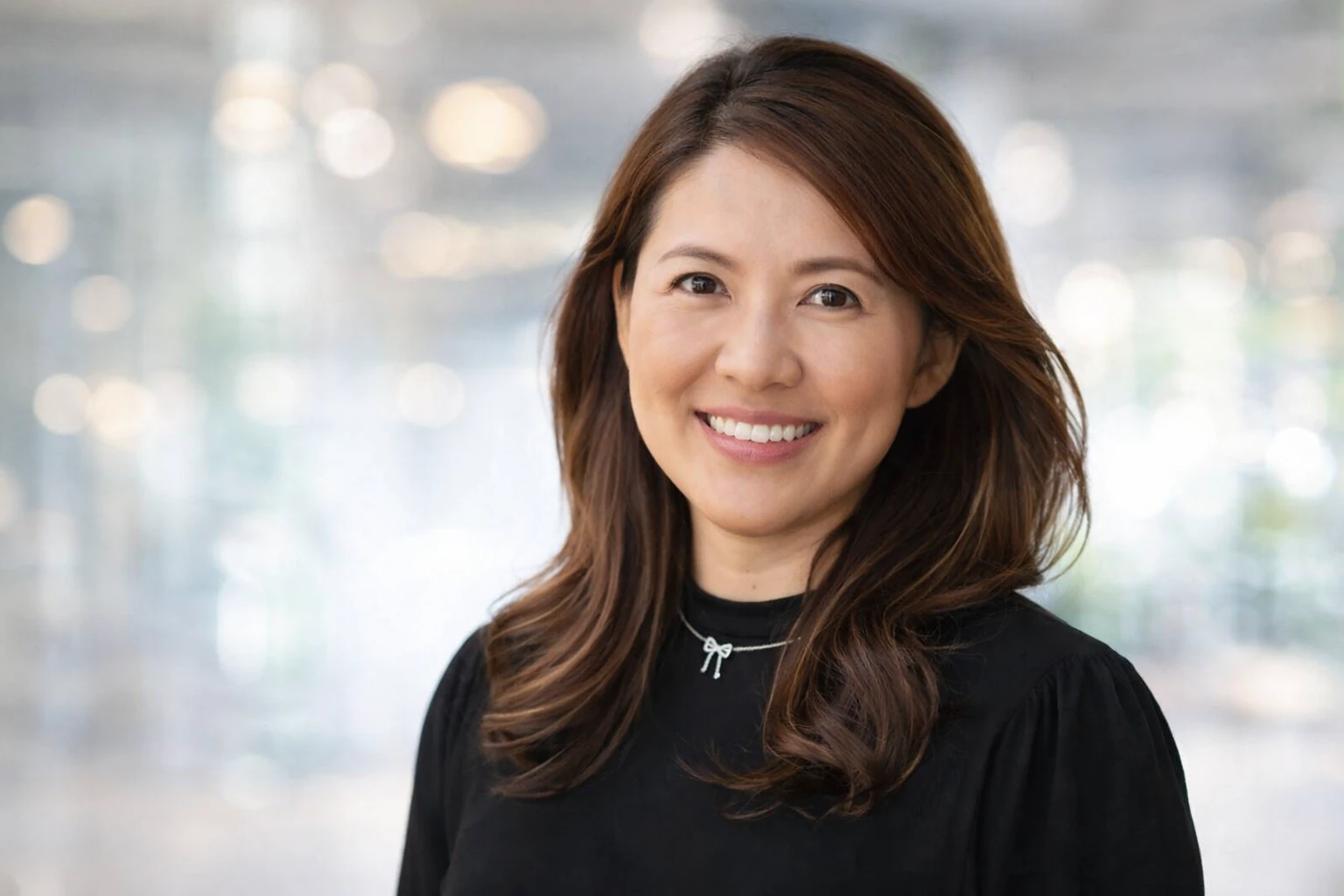
Wendy Lang does not move through the world like a typical public figure, even though her name surfaces often enough to suggest she might. She is not a television personality, not a politician, and not someone who courts attention. Yet search engines continue to fill with questions about her—who she is, what she does, and how she fits into the life of Cenk Uygur, the outspoken founder of The Young Turks. The contrast is part of the story. Lang’s life sits at the intersection of quiet professional work and secondhand public curiosity, and the two rarely align.
To understand Wendy Lang, you have to look past the noise. The available facts paint a portrait that is more grounded than many online biographies suggest: a licensed marriage and family therapist based in Beverly Hills, a clinician focused on children and families, and someone who has spent decades working with emotional and developmental challenges that rarely make headlines. Her public identity is defined less by visibility than by function. She helps people solve problems in private, which may explain why so much about her remains just out of view.
Early Life and Background
Details about Wendy Lang’s early life are limited, and that absence is itself part of her story. Unlike celebrities or public officials, she has not offered interviews or autobiographical accounts that trace her childhood in detail. What can be confirmed comes primarily from her professional materials and educational history, which provide only a partial outline of where she came from and how she developed her career.
Her background appears to include academic work in clinical psychology prior to graduate school in the United States. A Chinese-language biography associated with her professional profile indicates that she studied at Fu Jen Catholic University, a well-known institution in Taiwan. That detail, combined with her fluency in Mandarin, suggests a cross-cultural upbringing or educational path, though the exact contours of her early life remain private.
What stands out is not what is missing, but what is consistent. Lang’s career choices point toward a longstanding interest in human development, family systems, and emotional health. Those interests rarely emerge overnight. Even without a detailed childhood narrative, her later work suggests a trajectory shaped by close observation of how families function and how children process the world around them.
Education and Professional Training
The clearest turning point in Wendy Lang’s path comes with her graduate education. She earned a master’s degree in marriage and family therapy from the University of Southern California in 2004, a program known for training clinicians in systemic approaches to mental health. That educational foundation placed her in a field that focuses not just on individuals, but on relationships and environments.
Her training reflects a model of therapy that looks beyond symptoms to underlying patterns. Marriage and family therapy, as a discipline, treats emotional distress as something that often develops within relational contexts. That perspective would go on to shape Lang’s professional identity, especially in her work with children and parents navigating conflict, stress, and developmental challenges.
By the time she entered professional practice, Lang had the credentials required to work with a wide range of clients. Over the years, her public profiles have listed areas such as anxiety, depression, ADHD, divorce, and family conflict among her specialties. These are not niche concerns. They are among the most common reasons people seek therapy, which helps explain the steady demand for clinicians with her training.
Building a Career in Family Therapy
Wendy Lang’s career unfolded largely outside the spotlight, but it developed with a clear focus. She established herself in Beverly Hills, where she eventually founded Beverly Hills Child & Family Counseling, a group practice designed to serve children, teens, adults, and families. The practice reflects her central interest: helping people navigate emotional challenges within the context of their relationships.
Her approach combines several therapeutic methods, including cognitive behavioral therapy, psychodynamic work, family systems therapy, and play therapy. For children in particular, play and art-based techniques allow emotional expression in ways that traditional talk therapy may not. Lang’s professional materials emphasize this point, describing how younger clients often communicate feelings through creative activity rather than direct conversation.
Over time, her client base expanded. Public profiles indicate that she has worked with more than a thousand families, dealing with issues that range from school-related stress to grief and major life transitions. That kind of volume suggests a long-running and active practice, one built less on public recognition and more on sustained demand.
Her work also includes collaboration with parents, which is a defining feature of family therapy. Rather than focusing solely on the child, Lang’s model involves guiding parents to understand and respond to their children’s emotional needs. That dynamic reflects a broader shift in mental health care, where treatment often extends beyond the individual to the family system as a whole.
A Focus on Gifted and Twice-Exceptional Children
One of the most distinctive aspects of Wendy Lang’s career is her focus on gifted and twice-exceptional children. This area of specialization appears consistently across her professional materials and sets her apart from many general practitioners in her field. It is also one of the few areas where her personal and professional lives appear to intersect in a meaningful way.
Twice-exceptional, often abbreviated as “2e,” refers to children who are both gifted and have learning differences or disabilities. These children can be difficult to identify because their strengths may mask their challenges, or vice versa. Schools and families often struggle to provide appropriate support, which can lead to frustration, anxiety, and underachievement.
Lang’s interest in this group developed through her clinical work and, according to her practice materials, through her own family experience. She has been associated with Supporting Emotional Needs of the Gifted (SENG), an organization that provides resources and community support for families of gifted children. She has also facilitated parent groups designed to help families understand and advocate for their children’s needs.
Her work in this area reflects a broader recognition that giftedness does not eliminate emotional challenges. In some cases, it can amplify them. High-ability children may experience heightened sensitivity, perfectionism, or social difficulties, particularly if their abilities are uneven across different domains. Lang’s practice addresses these complexities by combining developmental insight with family-based intervention.
Marriage to Cenk Uygur
Public interest in Wendy Lang is closely tied to her marriage to Cenk Uygur, a media figure known for his outspoken political commentary and his role as founder and CEO of The Young Turks. Their relationship has been widely referenced in biographical summaries of Uygur, though the couple has kept most details of their personal life out of the public eye.
The two are reported to have married in 2008 and to have two children. Beyond those basic facts, there is little publicly confirmed information about their day-to-day life. They do not frequently appear together in media interviews, and Lang herself does not maintain a public-facing social media presence tied to her personal life.
This contrast between Uygur’s visibility and Lang’s privacy has fueled curiosity. Readers often expect that proximity to a public figure will translate into a shared public narrative, but that expectation does not hold here. Lang’s role appears to remain largely separate from her husband’s media career, anchored instead in her own professional work.
That separation may be intentional. Maintaining a private life while working in a field that depends on confidentiality is not just a preference; it is often a professional necessity. For a therapist, the ability to create a safe and discreet environment for clients can be compromised by excessive personal exposure.
Public Image and Media Portrayal
Wendy Lang’s public image is shaped as much by what is not known as by what is. Online profiles often attempt to fill gaps with speculation, repeating unverified details about her background, personality, or daily life. The result is a patchwork of information that can be difficult to parse.
Many of these profiles follow a familiar pattern. They emphasize her connection to Cenk Uygur, add a brief description of her therapy practice, and then extend into personal territory without clear sourcing. In some cases, details are copied across multiple sites, creating the impression of confirmation where none exists.
The truth is simpler and more restrained. Lang’s verified public identity is professional, not performative. She appears in therapist directories, practice websites, and occasional event listings related to her work. She does not appear to engage in public commentary, political advocacy, or media production.
This gap between perception and reality highlights a broader issue in online biography writing. When information is scarce, repetition can substitute for evidence. For readers, that means the most reliable understanding of Wendy Lang comes from primary sources tied to her work, not from aggregated biography pages.
Financial Standing and Net Worth
Estimating Wendy Lang’s net worth is difficult, and any figures that circulate online should be treated with caution. She operates a private therapy practice in Beverly Hills, which suggests a stable and potentially high-income profession, but there are no publicly confirmed financial disclosures that detail her earnings.
Therapists in private practice typically generate income through client sessions, group programs, and related services. In affluent areas like Beverly Hills, rates can be higher than average, particularly for specialized services such as those Lang provides. Even so, income can vary widely depending on client volume, insurance arrangements, and business structure.
Some online sources attempt to assign a specific net worth to Lang, often without citing credible evidence. These figures are best understood as speculative. A more grounded assessment is that she likely earns a comfortable living through her practice, independent of her husband’s media career.
Current Work and Where She Is Now
As of the most recent available information, Wendy Lang continues to work as a therapist and to lead Beverly Hills Child & Family Counseling. Her practice remains active, offering services that include individual therapy, family counseling, and group programs for children and parents.
Her ongoing involvement in gifted and twice-exceptional support groups suggests that this area remains central to her work. She has been associated with parent education programs and forums that address the emotional needs of high-ability children, indicating a continued commitment to this specialized field.
Unlike many professionals who expand into public speaking or media appearances, Lang appears to have maintained a steady focus on clinical work. Her career does not show signs of shifting toward a more public-facing role. Instead, it reflects continuity, with an emphasis on direct client engagement.
That consistency may be the most defining feature of her current life. While public curiosity around her name persists, her day-to-day work remains grounded in the same areas that have defined her career for years.
Frequently Asked Questions
Who is Wendy Lang?
Wendy Lang is a licensed marriage and family therapist based in Beverly Hills, California. She is the founder and director of Beverly Hills Child & Family Counseling and has been working in the field for many years. Her professional focus includes children, families, and individuals dealing with emotional and developmental challenges.
What is Wendy Lang known for?
She is best known for her work as a therapist, particularly her focus on gifted and twice-exceptional children. Her practice emphasizes family dynamics, child development, and emotional support for both children and parents. Public interest in her name also comes from her marriage to media figure Cenk Uygur.
Is Wendy Lang married?
Yes, Wendy Lang is widely reported to be married to Cenk Uygur, the founder of The Young Turks. The couple is said to have married in 2008 and to have two children. They keep their personal life largely private, and detailed information about their family is limited.
What does Wendy Lang do professionally?
She runs a therapy practice that provides counseling services to children, teens, adults, couples, and families. Her work includes addressing issues such as anxiety, depression, ADHD, family conflict, and life transitions. She also leads programs and groups focused on the needs of gifted children and their families.
Where does Wendy Lang work?
She is based in Beverly Hills, California, where she operates Beverly Hills Child & Family Counseling. The practice serves clients in person and may also offer additional support through group programs and parent education initiatives.
What is Wendy Lang’s net worth?
There is no publicly confirmed net worth figure for Wendy Lang. While some websites offer estimates, these are not supported by reliable evidence. Her income is likely derived from her private therapy practice, which provides a stable professional foundation.
Conclusion
Wendy Lang’s life does not fit the template of a conventional public biography, and that is precisely what makes it worth understanding on its own terms. She is a professional whose work happens behind closed doors, in conversations that are meant to remain confidential. Her impact is measured not in headlines or public appearances, but in the lives of the families she works with.
Her connection to Cenk Uygur has brought her name into broader public view, but it has not changed the structure of her career. She continues to operate within a field that values discretion and trust, and she appears to have maintained clear boundaries between her professional role and her private life.
What’s striking is how consistent her trajectory has been. From her education at USC to her current practice in Beverly Hills, the through line is a commitment to understanding how people relate to one another and how those relationships shape emotional well-being. That focus has remained steady even as the internet has tried to frame her story in other ways.
For readers, the most useful way to think about Wendy Lang is not as a hidden celebrity figure, but as a working clinician whose public presence reflects her profession rather than her personal life. The curiosity around her name may continue, but the facts that define her are already clear. She is a therapist, a specialist in family and child development, and someone who has chosen to keep the rest of her story largely her own.
