

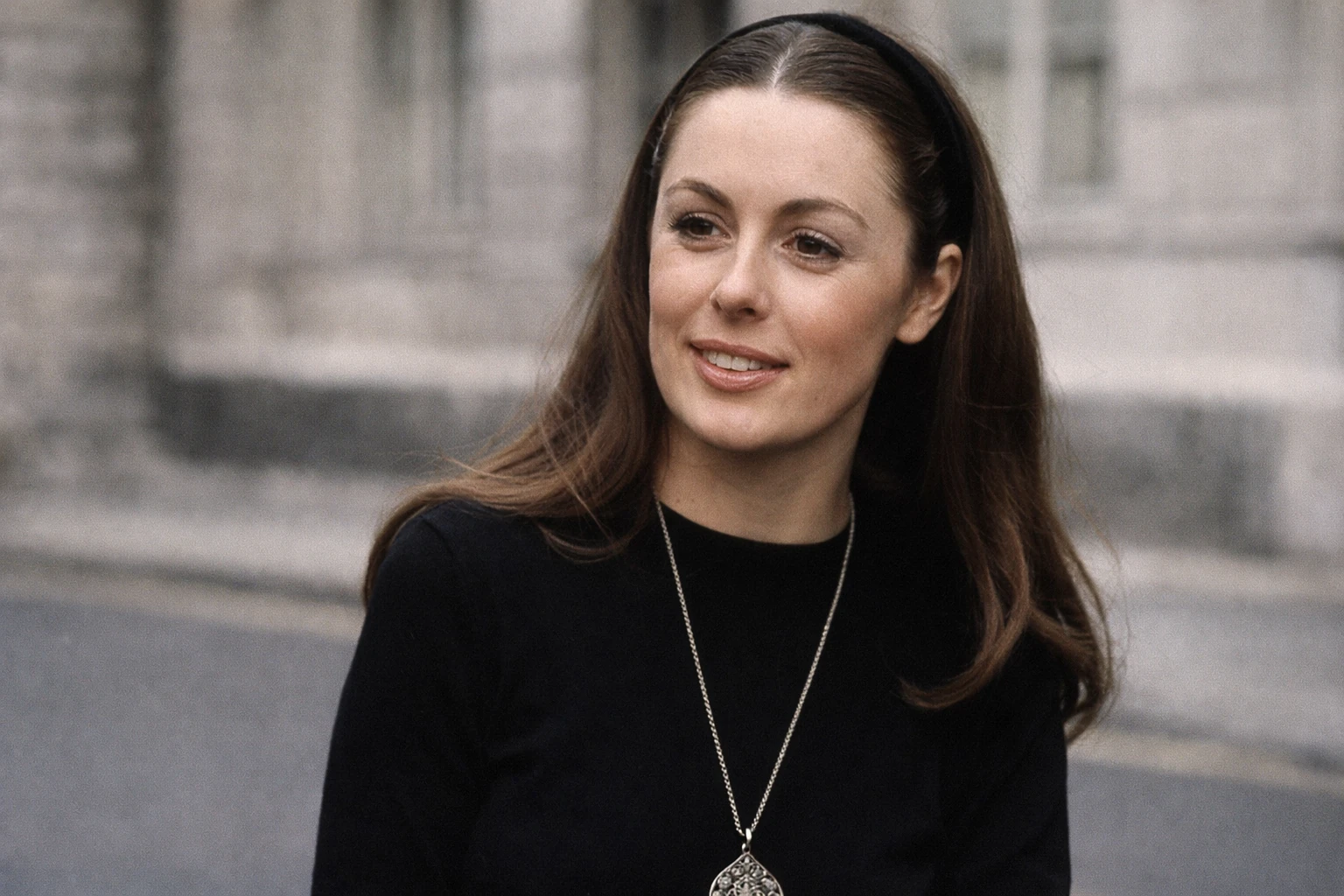
Sheila Buckley did not set out to become a figure of public fascination. She was not an elected official, a celebrity, or a media personality. Yet her name endures, tied inextricably to one of the most unusual political scandals in modern British history—the case of John Stonehouse, the Labour MP who faked his own death in 1974 and triggered an international manhunt. Buckley’s life, once largely private, was thrust into public view during that crisis, and then, just as abruptly, retreated again. What remains is a partial but compelling portrait of a woman whose story still raises questions about loyalty, influence, and the long shadow of scandal.
Early Life and Background
The early years of Sheila Buckley’s life are not extensively documented in public records, which is itself telling. Unlike many figures whose biographies are shaped by early ambition or public visibility, Buckley entered the historical record only later, when she became associated with John Stonehouse. What can be pieced together from contemporaneous reporting suggests that she was born in the mid-1940s, likely around 1946 or 1947, based on age references in press coverage during the 1970s.
There is little confirmed information about her upbringing, family, or education, and that absence has shaped how she is remembered. She was not someone who cultivated a public persona or sought recognition outside her professional life. Instead, Buckley appears to have followed a conventional path into administrative or clerical work, a common route for young women in Britain at the time, particularly those seeking stable employment within government or political offices.
What is clear is that by the early 1970s, she was working in a professional capacity that brought her into close proximity with political power. That position would change the course of her life in ways she likely could not have anticipated.
Entering Westminster: Secretary to a Rising Politician
Sheila Buckley’s known career begins with her role as a secretary to John Stonehouse, a prominent Labour politician who had served in Harold Wilson’s government and was, at one time, considered a rising figure within the party. Stonehouse held ministerial roles and represented constituencies in the West Midlands, building a reputation as an ambitious and energetic public servant.
Working as his secretary placed Buckley in a position of trust and proximity. Political offices rely heavily on such roles, with secretaries often handling correspondence, scheduling, and internal coordination. These positions can involve long hours and close working relationships, especially when attached to high-profile figures.
It was within this environment that Buckley and Stonehouse’s relationship evolved beyond professional boundaries. The two began an affair, a development that would later become central to public scrutiny. At the time, Stonehouse was married, and the relationship carried both personal and political risks.
The dynamic between them has been interpreted in different ways over the years. Some accounts describe Buckley as deeply devoted to Stonehouse, while others suggest she was drawn into a complicated situation shaped by his authority and influence. What is beyond dispute is that their relationship became a defining element of her public identity.
The 1974 Disappearance
On November 20, 1974, John Stonehouse vanished while on a business trip to Miami. He left his clothes neatly folded on a beach, creating the impression that he had drowned while swimming. News of his apparent death spread quickly, shocking colleagues, constituents, and the public.
The story, however, did not end there. Stonehouse had orchestrated the disappearance as part of a plan to escape mounting financial and legal troubles. Using false identities, he traveled to Australia, where he intended to begin a new life.
The disappearance was dramatic enough on its own, but the involvement of Buckley added another layer of intrigue. She was not initially the focus of attention, but as investigators began to unravel the truth, her connection to Stonehouse came under scrutiny. Their relationship, already controversial, now intersected with a criminal investigation that spanned continents.
The case gained further attention because it coincided with the search for Lord Lucan, another high-profile missing figure at the time. For a period, authorities in Australia even considered whether Stonehouse might be Lucan in disguise, highlighting the surreal nature of the situation.
Arrest and Legal Proceedings
Stonehouse was arrested in Melbourne in December 1974 after suspicious banking activity alerted authorities. His use of multiple identities and financial irregularities made it impossible to maintain the illusion of his death. He was eventually extradited to the United Kingdom to face charges including fraud, theft, and forgery.
Sheila Buckley’s role became more prominent as the case progressed. She was charged in connection with the events surrounding Stonehouse’s activities, reflecting the extent to which she had been involved, or at least associated, with his actions. Court proceedings examined her knowledge of the scheme and her level of participation.
The legal outcome for Buckley was notably different from that of Stonehouse. While he was convicted and sentenced to prison, Buckley received a suspended sentence. Reports from the time indicate that the court took into account the nature of her relationship with Stonehouse, with suggestions that she had been influenced or controlled by him.
This distinction has shaped how her involvement is interpreted. Some view her as a willing accomplice, while others see her as someone caught in a situation driven by a more powerful figure. The truth likely lies somewhere between those extremes, but the limited public record makes definitive conclusions difficult.
Public Perception and Media Coverage
During the height of the scandal, Sheila Buckley became a subject of intense media interest. Newspapers covered her appearance, her relationship with Stonehouse, and her role in the unfolding drama. Like many women connected to high-profile male figures, she was often portrayed through the lens of that relationship, rather than as an individual in her own right.
Descriptions of Buckley in the press varied. Some reports emphasized her youth compared to Stonehouse, noting the significant age gap between them. Others focused on her demeanor, character, and the apparent loyalty she showed to him despite the circumstances.
Media narratives at the time tended to simplify complex situations, and Buckley’s story was no exception. She was alternately cast as a romantic partner, a naïve participant, or a co-conspirator, depending on the tone of the coverage. These portrayals have persisted in later retellings, influencing how modern audiences understand her role.
What is often missing from these narratives is Buckley’s own voice. There are few, if any, widely circulated interviews in which she reflects on the events in detail. As a result, much of what is said about her comes from external perspectives rather than firsthand accounts.
Life After the Trial
After the legal proceedings concluded, Sheila Buckley’s life moved away from public view. Unlike Stonehouse, whose political career and imprisonment kept him in the spotlight, Buckley chose a more private path. This decision has contributed to the scarcity of reliable information about her later years.
What is known is that her relationship with Stonehouse continued. The couple remained together after his conviction, and in 1981, they married. This development surprised some observers who had assumed that the strain of the scandal would end their relationship.
Their marriage marked a new chapter, one that took place largely out of the public eye. The couple had a son, James William John, adding a family dimension to a relationship that had begun under unusual circumstances. For Buckley, this period likely represented a shift toward stability, even if it remained overshadowed by past events.
Stonehouse was released from prison and attempted to rebuild his life, though he never regained his former political standing. He died in 1988, leaving Buckley a widow after only a few years of marriage.
Family Life and Personal Privacy
Following Stonehouse’s death, Sheila Buckley appears to have maintained a low profile. There is little verified information about her personal life during this period, including her professional activities, financial situation, or social circle. This lack of detail reflects a deliberate withdrawal from public attention.
Raising a child while carrying the legacy of a widely publicized scandal would not have been easy. Buckley’s decision to remain private may have been influenced by a desire to protect her family from further scrutiny. It is also possible that she simply preferred a life away from the media, having experienced its intensity firsthand.
Estimates of her financial status or net worth are not widely available or reliably documented. Any figures that circulate online tend to be speculative and should be treated with caution. Unlike public figures who build wealth through visible careers, Buckley’s financial life has not been a subject of transparent reporting.
Renewed Interest in the 21st Century
Interest in Sheila Buckley’s story has resurfaced in recent years, largely due to renewed attention on the John Stonehouse case. Books, documentaries, and television dramatizations have revisited the events of the 1970s, introducing the story to a new generation.
The 2023 ITV drama Stonehouse played a significant role in this revival. By dramatizing the disappearance and its aftermath, the series brought Buckley back into the public conversation. Portrayed by an actor, she became a character once again, interpreted through a modern lens.
These retellings often aim to humanize the individuals involved, exploring motivations and emotions that historical records cannot fully capture. While this approach can deepen understanding, it also risks blending fact with interpretation. Viewers may come away with a vivid impression of Buckley without necessarily gaining a clearer picture of the real person.
Still, the renewed attention has prompted fresh questions about her life, particularly about what happened after the events that made her famous.
Where Sheila Buckley Is Now
The most straightforward answer to the question of where Sheila Buckley is now is that she has largely remained out of public view. Reports associated with recent media coverage suggest that she has lived quietly in later life, possibly in southern England, though specific details are limited and not consistently confirmed across sources.
There are no widely reported public appearances, interviews, or professional activities linked to her in recent years. This absence reinforces the impression of someone who chose to step away from the spotlight after a period in which it was impossible to avoid.
Her age, based on available information, would place her in her late seventies or early eighties as of the mid-2020s. Beyond that, reliable public updates are scarce. For many readers, this lack of information can feel unsatisfying, but it also reflects a reality: not everyone connected to a major story remains a public figure.
How History Remembers Her
Sheila Buckley’s place in history is tied to a single, extraordinary episode, but that does not make her story simple. She occupies a space that is often difficult to categorize. She was neither the architect of the scheme nor entirely separate from it. She was involved, judged, and then largely forgotten outside the context of that involvement.
What’s surprising is how enduring that connection has been. Decades after the events, her name still appears in discussions of political scandal, media ethics, and the personal lives of public figures. Yet the details of her own life remain comparatively thin.
This imbalance raises broader questions about how history treats people who are adjacent to power. Buckley’s experience shows how quickly someone can become part of a narrative they did not fully control, and how difficult it can be to step outside that narrative afterward.
Frequently Asked Questions
Who is Sheila Buckley?
Sheila Buckley is best known as the former secretary, partner, and later wife of British politician John Stonehouse. She became publicly known during the 1974 scandal in which Stonehouse faked his own death and was later arrested. Her involvement in the case brought her into the spotlight, though she was not a public figure before or after those events.
Was Sheila Buckley involved in John Stonehouse’s crimes?
Buckley was charged in connection with the case and received a suspended sentence. Court findings suggested that her role was influenced by her relationship with Stonehouse. While she was not treated as the primary offender, her involvement was considered significant enough to warrant legal consequences.
Did Sheila Buckley marry John Stonehouse?
Yes, Sheila Buckley married John Stonehouse in 1981 after his release from prison. The couple had a son together and remained married until Stonehouse’s death in 1988. Their relationship continued despite the scandal and its aftermath.
How old is Sheila Buckley?
Based on age references in 1970s reporting, Sheila Buckley was likely born around 1946 or 1947. That would place her in her late seventies or early eighties as of the mid-2020s. Exact details about her birth date are not widely confirmed in public records.
What happened to Sheila Buckley after the scandal?
After the legal proceedings and her marriage to Stonehouse, Buckley largely withdrew from public life. She has maintained a low profile, and there is limited verified information about her later years. Most accounts suggest she has lived privately, away from media attention.
Is Sheila Buckley portrayed in television or films?
Yes, Sheila Buckley has been portrayed in dramatizations of the John Stonehouse story, including the 2023 ITV series Stonehouse. These portrayals have renewed interest in her life, though they are interpretations rather than direct representations of her personal perspective.
Conclusion
Sheila Buckley’s story is not one of traditional fame or achievement, but it is no less compelling for that. Her life intersects with a moment when personal relationships, political ambition, and criminal behavior collided in a way that captured public attention. For a brief period, she was at the center of that storm.
What followed was a quieter existence, shaped by choices that seem to have prioritized privacy over visibility. In a world where many people seek to extend their time in the spotlight, Buckley’s retreat stands out. It suggests a different kind of resilience, one that does not rely on public validation.
Her story also serves as a reminder that history often remembers events more clearly than it remembers people. Sheila Buckley remains, in many ways, an incomplete figure in the public record. But within that incompleteness lies a truth about how lives are shaped by circumstances, and how some individuals choose to step away from the narratives that once defined them.
She may never be fully understood through available records, but the outline that remains is enough to show that her life was marked by both extraordinary events and an enduring commitment to living beyond them.
