

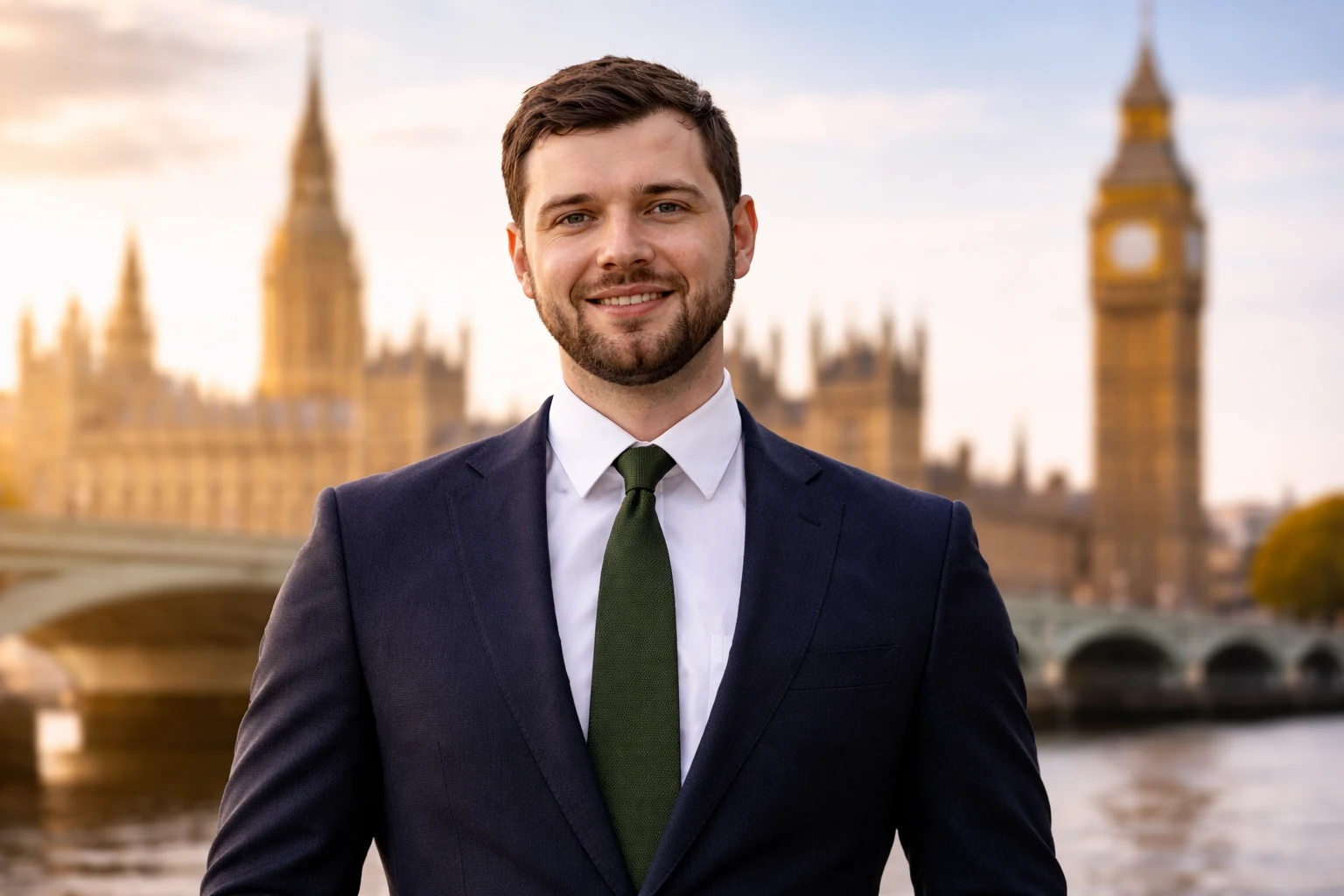
Henry Zeffman has spent much of his career explaining the inner workings of British politics to the public, often standing just outside the rooms where decisions are made. As the BBC’s Chief Political Correspondent, he has built a reputation for clarity, speed, and careful reporting. Yet for all his visibility on air and in print, there is one aspect of his life that remains largely out of view: his personal relationships. The persistent search for “henry zeffman partner” reflects a modern curiosity about public figures whose professional lives are transparent while their private lives remain deliberately closed.
That contrast is not accidental. Zeffman belongs to a generation of journalists who operate in a high-profile media environment but maintain a clear boundary between public work and private identity. As a result, readers encounter a detailed, well-documented career alongside a personal life that is largely unconfirmed in public records. Understanding that balance is key to understanding both the man and the limits of what can responsibly be said about his partner.
Early Life and Family
Henry Zeffman’s path into journalism began in environments shaped by education, curiosity, and public discourse. He attended Highgate School in London, one of the UK’s well-known independent schools, where he developed early interests in writing and politics. Former school references describe him as academically engaged and intellectually curious, traits that would later define his reporting style.
His family background has surfaced only in fragments through public reporting. Zeffman is one of several siblings, including Oliver Zeffman, a classical music conductor and cultural figure. That connection offers a glimpse into a family with strong cultural and intellectual leanings, though the details remain sparingly documented. Public references to his sister suggest she pursued legal studies, further pointing to an environment that valued education and professional ambition.
But here’s the thing: while these glimpses help frame his upbringing, they stop short of offering a full personal portrait. Zeffman has never positioned his family life as part of his public identity, and the available material reflects that choice.
Education and Early Ambitions
Zeffman went on to study Philosophy, Politics and Economics (PPE) at Brasenose College, Oxford, a degree closely associated with British political life. During his time there, he was elected Junior Common Room (JCR) President, a role that often signals leadership ability and engagement with institutional governance. Those who have followed his career often point to Oxford as a formative period, where his interest in political systems deepened into something more focused.
His early ambitions leaned toward journalism rather than direct political involvement. While many PPE graduates move into politics or civil service, Zeffman chose to observe and interpret rather than participate. That decision would define his career, placing him in the position of explaining political power rather than wielding it.
After Oxford, he pursued formal journalism training at City, University of London. This step marked a transition from academic interest to professional craft, equipping him with the reporting skills that would soon earn industry recognition.
Career Beginnings and Early Recognition
Zeffman’s early career was marked by a rapid rise that drew attention within the journalism community. In 2015, he won the Anthony Howard Award, a prestigious prize for young political journalists. At the time, he was still a student, and the award signaled both promise and credibility.
That recognition opened doors. He joined The Times, one of the UK’s most influential newspapers, where he began covering politics with increasing responsibility. Early work included reporting on elections, parliamentary developments, and party dynamics, often with a focus on clarity and context rather than sensationalism.
What’s surprising is how quickly he moved through the ranks. By the late 2010s, he was already being recognized as one of the standout young reporters in British political journalism. In 2019, he won Young Journalist of the Year at the National Press Awards, a milestone that confirmed his status within the industry.
Rise at The Times
Zeffman’s time at The Times was central to shaping his public reputation. He became known for his ability to translate complex political developments into accessible reporting without losing accuracy. Colleagues and editors often described his work as measured and precise, qualities that set him apart in a competitive field.
By 2021, he had reached the position of Chief Political Correspondent at the paper. That role placed him at the center of Westminster reporting, covering major developments including leadership contests, policy debates, and the evolving political landscape in the UK.
The truth is, this period also marked his transition from a rising journalist to an established voice. His reporting was increasingly cited and referenced, and his byline carried weight in political coverage. Yet even as his professional visibility grew, his personal life remained largely absent from public discussion.
Move to the BBC
In July 2023, Zeffman made a significant career move, leaving The Times to join the BBC as Chief Political Correspondent. The shift brought him into a broader public arena, where his reporting would reach millions through television, radio, and digital platforms.
The BBC role requires not only reporting but also on-air analysis, often delivered in real time. Zeffman adapted quickly, becoming a familiar presence during major political events and breaking news coverage. His style remained consistent: calm, direct, and focused on explaining rather than speculating.
That increased visibility has only intensified public curiosity about his personal life. Viewers who see him regularly on screen often look for more information about who he is beyond the newsroom, which helps explain the steady interest in searches about his partner.
Henry Zeffman Partner: What Is Publicly Known
The question of Henry Zeffman’s partner is one where the public record is notably thin. Despite his prominence, there is no widely verified, reputable source that identifies a spouse or long-term partner. His professional profiles, institutional references, and media coverage focus almost entirely on his work.
That does not mean he does not have a partner. It means only that, based on available public information, his relationship status has not been clearly documented or confirmed. This distinction matters because many online sources blur the line between absence of information and definitive claims.
Here’s where it gets interesting. Some lesser-known websites make assertions about his marital status, but these claims often lack sourcing or conflict with one another. Without credible reporting or direct confirmation, such claims remain unreliable.
For a journalist like Zeffman, maintaining privacy around personal relationships is not unusual. Many political reporters choose to keep their private lives separate from their public roles, both for personal reasons and to avoid unnecessary scrutiny.
Privacy and Public Image
Zeffman’s approach to privacy reflects a broader pattern among journalists who cover sensitive political topics. Maintaining a clear boundary between public work and personal life can help preserve independence and reduce potential conflicts of interest.
His public image is shaped almost entirely by his reporting. He is known for accuracy, measured tone, and a focus on substance over spectacle. Unlike some media figures, he does not cultivate a personal brand centered on lifestyle or personality, which naturally limits the amount of personal information in circulation.
Not many people know this, but this kind of professional focus often comes with trade-offs. While it strengthens credibility, it also creates a sense of distance between the journalist and the audience. That distance can lead to curiosity, particularly about aspects of life that remain unseen.
Financial Standing and Net Worth
Zeffman’s financial position is not publicly detailed in precise figures. As a senior BBC journalist, his income would fall within the broadcaster’s salary structure for high-ranking correspondents, but exact numbers are not disclosed in most cases.
Estimates of his net worth appear online, but they vary widely and are rarely supported by verifiable data. As with many journalists, his earnings are tied primarily to his salary rather than external business ventures or endorsements.
What can be said with confidence is that his career has been stable and upward-moving. Roles at The Times and the BBC represent the upper tier of British journalism, suggesting financial security even if exact figures remain private.
Public Influence and Industry Standing
Zeffman’s influence lies in his ability to shape how political news is understood. His reporting often appears at moments of high public interest, helping audiences make sense of complex developments. That role carries both responsibility and visibility.
Within the industry, he is regarded as part of a cohort of journalists who emerged in the 2010s and quickly established themselves. His awards and career progression reflect recognition from peers as well as editors.
That said, his influence is tied to his work rather than his personality. He does not dominate headlines outside his reporting, which again reinforces the gap between public recognition and personal knowledge.
Where He Is Now
As of 2026, Henry Zeffman continues to serve as the BBC’s Chief Political Correspondent, covering major developments in UK politics. His reporting spans elections, policy debates, and international negotiations, often delivered under tight deadlines.
He remains based in Westminster, close to the center of British political activity. His recent work reflects ongoing engagement with key issues, including party strategy and government policy.
What stands out is the consistency of his trajectory. He has moved steadily upward without dramatic detours, maintaining a focus on journalism rather than branching into commentary or entertainment.
Frequently Asked Questions
Does Henry Zeffman have a partner?
There is no publicly verified information that clearly identifies Henry Zeffman’s partner. While some websites make claims, they are not supported by strong sources. The most accurate answer is that his relationship status has not been publicly confirmed.
Is Henry Zeffman married?
No reliable public record confirms that Henry Zeffman is married. The absence of confirmation should not be taken as proof either way. It simply reflects his private approach to personal matters.
Why is there so much interest in his partner?
Interest often grows when a public figure is visible in their professional role but private in their personal life. Zeffman’s prominence at the BBC has increased public curiosity about his life beyond journalism.
What is Henry Zeffman known for?
He is known for political journalism, particularly his reporting on UK politics. His roles at The Times and the BBC, along with industry awards, have established him as a respected voice in the field.
Where did Henry Zeffman study?
He studied Philosophy, Politics and Economics at Brasenose College, Oxford, and later trained in journalism at City, University of London.
What is his current role?
He is currently the Chief Political Correspondent at the BBC, reporting on major political developments in the UK.
Conclusion
Henry Zeffman’s career offers a clear story of talent, discipline, and steady progression through the ranks of British journalism. From his early recognition as a student to his current role at the BBC, he has built a reputation based on careful reporting and credibility.
At the same time, his personal life remains largely out of public view. The question of his partner, while widely searched, does not have a clear, verifiable answer in the public record. That absence speaks less about secrecy and more about a deliberate choice to keep private matters separate from professional work.
What defines Zeffman is not the details that remain unknown, but the work that is consistently visible. His reporting continues to shape how audiences understand politics, offering clarity in a field often marked by complexity and noise.
Looking ahead, his trajectory suggests continued influence in political journalism. Whether or not more becomes known about his personal life, his professional role ensures that he will remain a significant figure in the coverage of British politics.
