

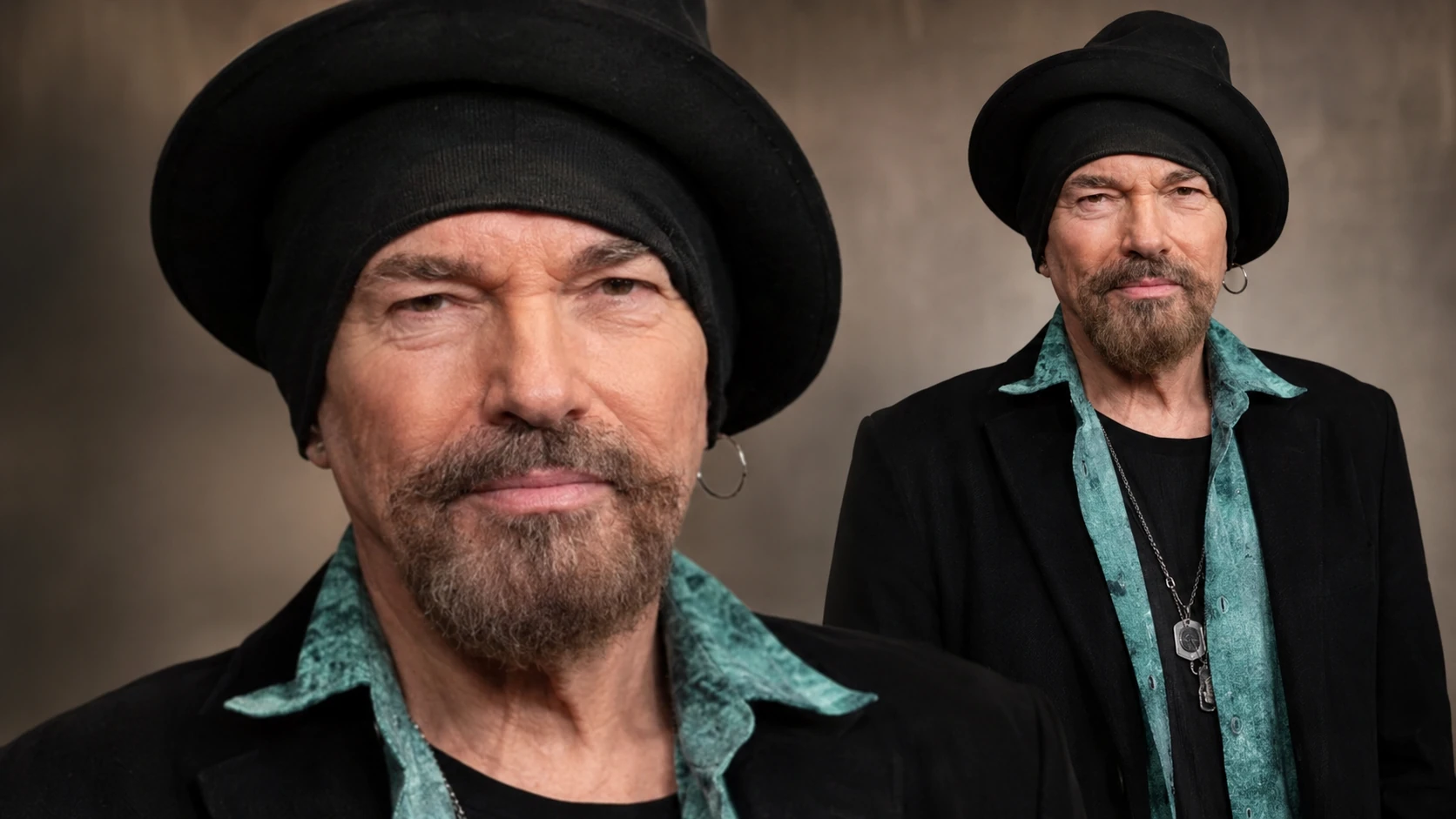
Jimmy Don Thornton never became a household name, yet his story continues to draw attention decades after his death. Most people first encounter his name through Billy Bob Thornton, the Oscar-winning actor, writer, and musician who has spoken openly about the pain of losing his younger brother in 1988. But Jimmy Don Thornton was more than a tragic footnote in a celebrity biography. He was a musician, songwriter, Arkansas native, and a deeply important figure inside one of America’s most unusual entertainment families.
Part of what makes Jimmy Don Thornton compelling is how little of his life was lived in public. Unlike Billy Bob Thornton, whose career unfolded across film, television, and music over several decades, Jimmy lived mostly outside the spotlight. The surviving details are scattered across interviews, music credits, family references, and regional records. Yet those fragments form a picture of someone creative, close to his family, and remembered with unusual intensity long after his passing.
His name still surfaces because grief has a long memory. Billy Bob Thornton has repeatedly described the death of his brother as one of the defining emotional events of his life. Readers searching for Jimmy Don Thornton often want to know the same things: who he was, what happened to him, whether he had a music career of his own, and why his memory remained so present in Billy Bob Thornton’s life and work. The answers are quieter than celebrity mythology, but they are more human too.
Early Life and Family Background
Jimmy Don Thornton was born in Arkansas in 1958 into a working-class Southern family that would later become publicly associated with Billy Bob Thornton’s rise to fame. He was one of three sons born to Billy Ray Thornton and Virginia Roberta Faulkner Thornton. Billy Bob Thornton was the oldest brother, followed by Jimmy Don and then John David Thornton. The family spent much of its early life in difficult financial circumstances, living in small Arkansas communities where money was often scarce but storytelling and music were everywhere.
The Thorntons lived for a time in Hot Springs before eventually settling in Malvern, Arkansas. Billy Bob Thornton has described his childhood as poor but colorful, shaped by eccentric relatives, strict realities, and a deep connection to Southern culture. Jimmy Don grew up inside that same environment, surrounded by country music, local musicians, family stories, and the rough unpredictability of rural life. The atmosphere left a strong impression on all three brothers.
Not many people know this, but music came into the Thornton family long before Hollywood did. Billy Bob Thornton has often said that he originally saw himself as a musician rather than an actor. Jimmy Don shared that interest. Public records and music references identify him as a songwriter and musician, and people close to the family have long described the brothers as deeply connected through music from an early age.
The family dynamic also carried emotional weight. Billy Bob Thornton has spoken in interviews about growing up in a household where tension and hardship existed alongside humor and creativity. Jimmy Don appears to have been especially close to Billy Bob, and that closeness became more visible after Jimmy’s death, when Thornton began speaking publicly about the grief he carried for years afterward.
Growing Up in Arkansas
The Arkansas that shaped Jimmy Don Thornton was not glamorous. It was rural, economically strained, and culturally rich in ways outsiders sometimes overlook. The Thornton family’s world included church gatherings, local bands, bars with live music, and small-town conversations that stretched late into the night. Billy Bob Thornton later used many of those influences in his films and songs, especially the Southern atmosphere that became part of his creative identity.
Jimmy Don grew up during a period when many young men from small Arkansas towns either stayed close to home or moved elsewhere searching for work and opportunity. Reports connected to his life suggest that he eventually spent time in California, including San Francisco, where some sources say he worked as a chef. While not every detail of those accounts has been documented equally well, the broad outline fits a common path for people from that generation looking for something beyond their hometown.
What’s surprising is how little public material survives about Jimmy’s personal ambitions, even though the family later became famous. There are no long interviews, no memoirs, and no widely circulated recordings under his own name. That absence has led some online biographies to fill the gaps with speculation. A more careful reading of the available record suggests something simpler: Jimmy Don Thornton lived privately, and much of what survives about him comes through family memory rather than media exposure.
Jimmy Don Thornton and Music
Music remains the clearest public connection to Jimmy Don Thornton’s identity. Though he never achieved commercial fame, his songwriting credits survived him and later reached listeners through Billy Bob Thornton’s music career. The two songs most commonly associated with Jimmy are “Emily” and “Island Avenue,” both connected to Billy Bob Thornton’s 2003 album The Edge of the World.
Those credits matter because they confirm that Jimmy Don Thornton was not merely someone who loved music casually. Songwriting leaves a trace. Even when recordings are limited, a credited song becomes part of the historical record. Billy Bob Thornton chose not only to preserve those songs but to release them publicly, introducing Jimmy’s work to audiences years after his death.
Billy Bob Thornton’s music career itself often surprises people who know him mainly as an actor. Before his breakthrough in film, Thornton played in bands and pursued music seriously. Even after winning an Academy Award for Sling Blade, he continued releasing albums rooted in country rock, blues, and Southern storytelling traditions. In that sense, recording Jimmy Don’s songs was not a symbolic gesture from an actor dabbling in music. It was one musician carrying another musician’s work forward.
The emotional connection behind those songs has naturally drawn attention. Fans listening to “Emily” or reading the songwriting credits often discover Jimmy Don Thornton for the first time. The songs became part memorial, part collaboration across time. For Billy Bob Thornton, keeping those songs alive may also have been a way to hold onto his brother’s voice after losing him so suddenly.
The Relationship Between Jimmy Don and Billy Bob Thornton
The relationship between Jimmy Don Thornton and Billy Bob Thornton sits at the center of nearly every public discussion about Jimmy’s life. Billy Bob Thornton has rarely spoken about his brother in a casual way. Instead, he describes the loss as something permanent, something that shaped how he experienced success, anxiety, and even everyday life afterward.
Several interviews over the years have revealed how deeply Jimmy’s death affected him. Thornton has discussed panic attacks, fear of loss, and emotional struggles that intensified after his brother died. He once explained that grief never fully disappeared, even as his career grew larger and more successful. Fame changed his professional life, but it did not resolve the private pain attached to losing Jimmy.
That honesty made an impression on many readers and viewers because celebrity interviews often flatten grief into rehearsed sound bites. Thornton’s comments felt different. He spoke about sadness in practical, ongoing terms rather than dramatic ones. People who had lost siblings recognized something familiar in the way he described carrying memory through ordinary life.
But here’s the thing. Jimmy Don Thornton’s importance should not be reduced only to how much Billy Bob Thornton mourned him. The public first learned about Jimmy through Billy Bob, but the surviving music credits and family history suggest a person with creative instincts and a meaningful place in the Thornton family long before tragedy defined his public image.
His Sudden Death in 1988
Jimmy Don Thornton died in 1988 at the age of 30. Publicly available accounts generally agree that his death was connected to a sudden heart-related medical event, though descriptions vary somewhat between sources. Some references describe it broadly as a heart attack, while others use the more specific term ventricular fibrillation.
The truth is, public information surrounding the exact medical details remains limited. What is clear is that his death came unexpectedly and shocked those close to him. Billy Bob Thornton has repeatedly referred to the event as sudden and devastating, and people familiar with his interviews can trace the emotional impact through decades of public appearances afterward.
A death at thirty naturally raises questions because it feels unfinished. Jimmy Don Thornton left behind songs, family memories, and unfinished possibilities rather than a long public career. That sense of interruption is part of why readers remain curious about him. His story feels suspended, almost frozen at the moment when life should have continued.
The emotional effect on the Thornton family appears to have been profound. Billy Bob Thornton has spoken about feeling changed permanently after Jimmy’s death, and those comments became one of the recurring personal themes attached to his public identity. Even interviews focused mainly on film or music often circled back to Jimmy because the loss stayed emotionally close to him.
How Billy Bob Thornton Preserved His Brother’s Memory
One of the most revealing parts of this story is how Billy Bob Thornton kept Jimmy Don Thornton present in his creative work. The songs credited to Jimmy did not disappear into private family archives. Thornton recorded them, released them publicly, and allowed listeners to encounter his brother through music rather than through tragedy alone.
That decision says a great deal about the relationship between the brothers. Many people preserve grief privately. Billy Bob Thornton instead folded memory into art, allowing Jimmy’s songwriting to remain part of his own musical catalogue. The result gave Jimmy Don Thornton a small but lasting place in American roots music history.
Thornton’s interviews also kept Jimmy’s memory alive. In conversations about anxiety, family, mortality, and emotional survival, Jimmy Don’s death often appeared not as a publicity anecdote but as a genuine turning point. Thornton’s openness made many readers curious about the brother behind the story.
There is another reason this memory endured. Billy Bob Thornton built a career around emotionally raw storytelling. Films like Sling Blade and much of his music draw from damaged people, loneliness, Southern hardship, and unresolved pain. Whether directly or indirectly, Jimmy Don Thornton’s absence became part of the emotional framework shaping that work.
Public Interest and Online Searches
Search interest around Jimmy Don Thornton increased over time largely because Billy Bob Thornton remained culturally relevant for decades. Every new film, television series, or interview created another moment when people discovered or rediscovered references to Jimmy. Curiosity followed naturally.
The internet also changed how family stories circulate. Earlier generations might have heard Billy Bob Thornton mention his brother in a television interview and forgotten the detail later. Online search culture works differently. A passing reference now sends readers directly into biography searches, fan discussions, archived interviews, and music credits.
That said, online information about Jimmy Don Thornton varies in reliability. Some websites repeat unsupported claims or present assumptions as established facts. Readers looking for accurate information often encounter contradictions about places, timelines, or personal details. A responsible biography has to separate what can reasonably be confirmed from what remains uncertain.
What survives most clearly is not gossip or scandal. It is family memory, music, and the emotional influence Jimmy had on the people closest to him. For someone who lived outside celebrity culture, that kind of legacy is unusually durable.
Jimmy Don Thornton’s Cultural Legacy
Jimmy Don Thornton’s cultural footprint is small in scale but emotionally significant. He did not become a star, headline major tours, or build a large discography. Yet his name continues appearing in discussions about grief, music, and the Thornton family because his life intersected with one of Hollywood’s most recognizable Southern storytellers.
The songs connected to him still matter to fans of Billy Bob Thornton’s music. Listeners who explore Thornton’s albums beyond his acting career often discover Jimmy’s songwriting credits and become curious about the man behind them. In that sense, Jimmy Don Thornton remains present through art rather than publicity.
There is also a larger emotional reason his story resonates. Many families carry someone like Jimmy — a talented relative who died young before the wider world fully understood who they were. Readers connect with that feeling because it reflects ordinary life more than celebrity fantasy. The public details may belong to the Thornton family, but the emotional shape of the story feels familiar to many people.
Private Life and What Remains Unknown
Despite ongoing interest in Jimmy Don Thornton, much of his private life remains undocumented publicly. There is little verified information about romantic relationships, marriage, or children. Some online summaries make claims about personal matters without offering meaningful sourcing, and those details should be treated cautiously.
The absence of information should not be mistaken for mystery or scandal. Jimmy Don Thornton simply did not live as a public celebrity during his lifetime. Most people who knew him likely experienced him as a brother, musician, friend, or co-worker rather than a public figure. The surviving record reflects that reality.
There is something respectful about allowing those unknowns to remain unknown. Modern celebrity culture often pushes biographies toward overexposure, turning every private detail into searchable content. Jimmy Don Thornton’s story resists that pattern. Enough survives to understand his importance without pretending the public has access to every corner of his life.
Billy Bob Thornton’s Career After Jimmy’s Death
Billy Bob Thornton’s career expanded dramatically after 1988, but Jimmy Don’s death remained emotionally connected to his public life. Thornton broke through in Hollywood with Sling Blade, the film he wrote, directed, and starred in, winning an Academy Award for Best Adapted Screenplay and earning widespread acclaim as an actor.
Over the following decades, Thornton built one of the more unusual careers in American entertainment. He moved between independent dramas, studio films, television series, and music projects without fully fitting any single Hollywood category. His performances in projects like Monster’s Ball, Bad Santa, Friday Night Lights, Fargo, and Goliath strengthened his reputation as an unpredictable but deeply compelling performer.
Even as his career evolved, interviews continued circling back to family and loss. Thornton often spoke about Arkansas, music, memory, and emotional survival with unusual directness. Jimmy Don Thornton remained part of that conversation because the loss never became distant for him.
Here’s where it gets interesting. The public memory of Jimmy Don Thornton actually grew as Billy Bob Thornton became more famous. Instead of disappearing into family history, Jimmy’s name remained attached to songs, interviews, and stories that continued reaching new audiences decades later.
Frequently Asked Questions
Who was Jimmy Don Thornton?
Jimmy Don Thornton was an American musician and songwriter best known as the younger brother of actor and musician Billy Bob Thornton. He grew up in Arkansas alongside his brothers Billy Bob and John David Thornton and shared the family’s deep connection to music and Southern culture.
How did Jimmy Don Thornton die?
Jimmy Don Thornton died in 1988 at the age of 30. Public sources generally describe his death as the result of a sudden heart-related medical event, though some reports use different medical terminology when describing the cause.
Was Jimmy Don Thornton a musician?
Yes, Jimmy Don Thornton was a musician and songwriter. He is credited with songs including “Emily” and “Island Avenue,” which were later recorded by Billy Bob Thornton and released publicly.
Why is Jimmy Don Thornton still talked about today?
People continue searching for Jimmy Don Thornton because Billy Bob Thornton has spoken openly about how deeply his brother’s death affected him. The combination of family memory, music credits, and public interviews has kept interest in Jimmy alive long after his passing.
Did Jimmy Don Thornton have children or a wife?
There is very limited publicly verified information about Jimmy Don Thornton’s romantic relationships, marriage, or children. Most reliable sources focus mainly on his family background, music, and connection to Billy Bob Thornton.
What songs did Jimmy Don Thornton write?
The songs most commonly connected to Jimmy Don Thornton are “Emily” and “Island Avenue.” Both songs later appeared through Billy Bob Thornton’s music work, helping preserve Jimmy’s creative legacy.
Where was Jimmy Don Thornton from?
Jimmy Don Thornton was from Arkansas and grew up in the same Southern environment that later shaped Billy Bob Thornton’s artistic identity. The Thornton family spent time in communities including Hot Springs and Malvern.
Conclusion
Jimmy Don Thornton remains an unusual figure in modern celebrity biography because his story survives almost entirely through memory, music, and emotional impact rather than fame itself. He did not become a public star, yet his life continues to matter because the people closest to him never stopped carrying him forward.
The surviving details about Jimmy are limited, but they reveal something real: a creative Arkansas musician whose life ended far too early and whose absence changed his family permanently. Through songwriting credits and family stories, traces of him remain accessible even decades later.
Billy Bob Thornton’s openness about grief gave the public a rare glimpse into the lasting effect of sibling loss. But the deeper story is not simply about tragedy. It is about remembrance, artistic connection, and the way one person’s influence can survive quietly inside another person’s work.
For readers searching Jimmy Don Thornton today, the answer is both simple and lasting. He was a brother, musician, songwriter, and deeply loved member of the Thornton family whose memory continues to echo through music, interviews, and the emotional honesty of those who knew him best.
