

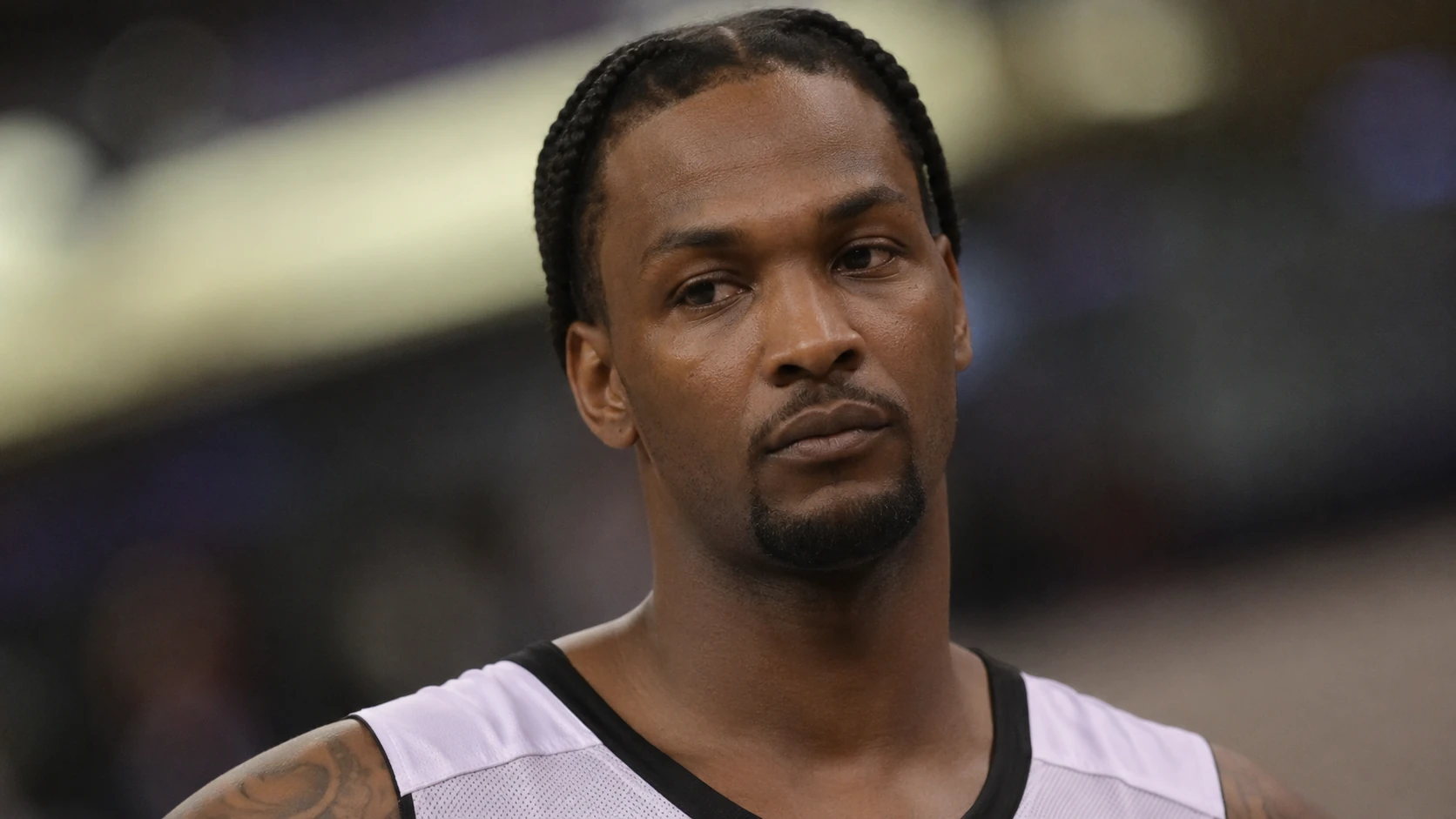
Kwame Brown entered the NBA with one of the heaviest labels in basketball: the first high school player ever selected No. 1 overall in the NBA Draft. Picked by the Washington Wizards in 2001, he became famous early, criticized often, and discussed for years as a symbol of pressure, expectations, and the gap between draft promise and professional reality. Yet the fuller story is not only about what he did not become. Brown played 12 NBA seasons, earned more than $63 million in salary, later built an independent media voice, and remains a public figure whose name still draws interest from basketball fans.
For readers searching for kwame brown net worth, the most careful answer is that his exact current wealth is not publicly confirmed. Public estimates often place it around $4 million, but that figure should be treated as an estimate, not a verified financial statement. What is confirmed is that Brown made substantial NBA money, faced reported financial disputes after his career, and has continued to earn public attention through commentary and online media.
Early Life and Background
Kwame Hasani Brown was born on March 10, 1982, in Charleston, South Carolina. He grew up in Georgia and became a major basketball prospect while attending Glynn Academy in Brunswick. His size, athletic ability, and potential made him one of the most closely watched high school players in the country by the end of his senior year.
Brown came of age during a period when NBA teams were increasingly willing to draft elite teenagers straight from high school. Players such as Kevin Garnett, Kobe Bryant, Tracy McGrady, and Jermaine O’Neal had already shown that young prospects could make the jump. Brown’s case was even more dramatic because he was not just a lottery pick. He became the top pick in the entire draft.
The 2001 NBA Draft and Early Pressure
The Washington Wizards selected Brown with the No. 1 overall pick in the 2001 NBA Draft. The choice carried extra attention because Michael Jordan, then part of the Wizards’ front office, was central to the team’s basketball decisions. Brown was only 19, and the expectations placed on him were immediate and unusually intense.
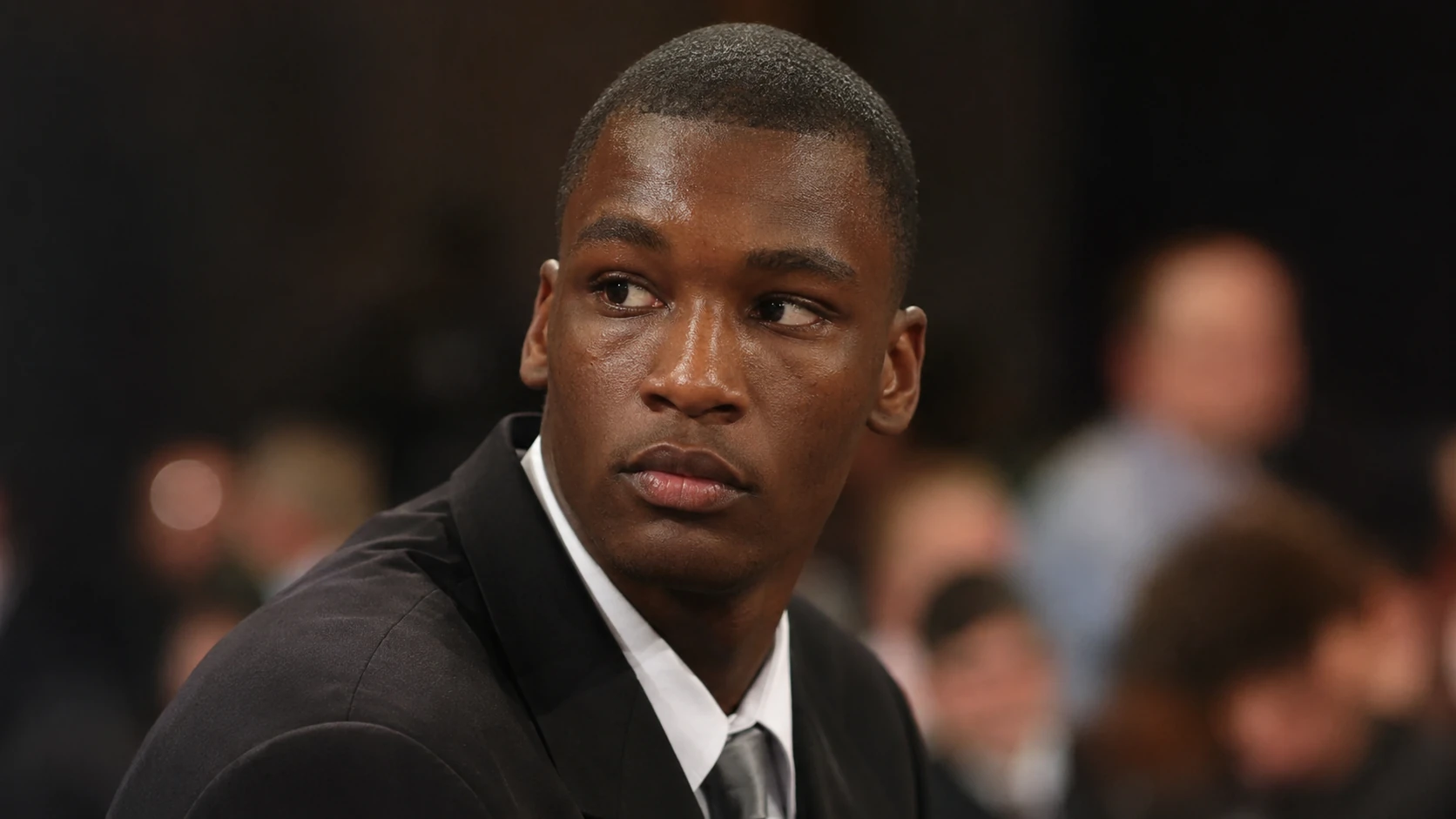
That draft position shaped the way the public viewed his entire career. A No. 1 pick is usually expected to become a franchise star, and Brown never reached that level. He had stretches as a rotation player and starting center, but he did not become the dominant big man many scouts imagined.
The early years in Washington were difficult. Brown had to learn the NBA while playing under the spotlight of Jordan’s comeback era, heavy media attention, and the impatience that follows top draft picks. His production was modest, and criticism followed quickly.
NBA Career and Teams
Brown played for the Washington Wizards, Los Angeles Lakers, Memphis Grizzlies, Detroit Pistons, Charlotte Bobcats, Golden State Warriors, and Philadelphia 76ers. His career lasted from 2001 to 2013, a long run by professional sports standards. He appeared in more than 600 regular-season NBA games.
His best-known move came in 2005, when Washington traded him to the Los Angeles Lakers in a deal involving Caron Butler. Playing for the Lakers placed Brown in another demanding market, this time alongside Kobe Bryant. He had useful moments as a big body, rebounder, and defender, even if he never became a consistent scoring option.
Brown later became a journeyman center, filling roster needs for teams that valued size and experience. His career averages were modest, but his ability to stay in the league showed that teams still saw practical value in him. The label “bust” followed him, yet that label can flatten the reality of a player who remained employed in the NBA for more than a decade.
Kwame Brown Net Worth
Kwame Brown’s net worth is most often estimated at around $4 million, but that number is not publicly verified. Brown has not released audited financial records, and outside estimates rely on public salary data, assumed expenses, and guesses about assets and debts. For that reason, any exact figure should be read with caution.
The strongest confirmed financial detail is his NBA salary history. Public salary trackers list Brown’s career NBA earnings at more than $63 million. That includes his rookie contract with Washington, a major contract with the Lakers, and later deals with Detroit, Golden State, Charlotte, and Philadelphia.
Career earnings and net worth are not the same. Taxes, agent fees, adviser fees, family support, real estate decisions, legal costs, lifestyle spending, and investments can greatly reduce what a player keeps. Brown’s case also included reported legal claims involving financial management, which makes simple estimates even less reliable.
Contracts and Income Sources
Brown’s biggest income source was his NBA salary. His rookie deal gave him major money at a young age, and his later Lakers contract was one of the largest of his career. Even after leaving Los Angeles, he continued to receive multimillion-dollar contracts because NBA teams still needed experienced centers.
After basketball, Brown became active as a commentator and online personality. His “Bust Life” brand gave him a direct way to respond to critics and discuss sports, culture, and media. That work may generate income from online platforms, ads, audience support, sponsorships, or merchandise, but the exact amount is not publicly confirmed.
Brown’s post-NBA presence matters because it changed how many people saw him. Instead of being only a subject of sports debate, he became a participant in the conversation. His direct, often combative style earned attention and helped him build an audience outside traditional sports media.
Financial Setbacks and Legal Disputes
A major part of Brown’s financial story involves his reported lawsuit against Merrill Lynch, Bank of America, and a financial adviser. Public reports said Brown alleged that millions of dollars were mishandled or misappropriated from his accounts. The amount often reported in connection with the case was $17.4 million.
Those claims should be described carefully. A lawsuit is an allegation unless a court finding, settlement, or official outcome proves specific facts. Still, the case is relevant because it shows why estimating a retired athlete’s net worth from salary alone can be misleading.
Professional athletes often earn large sums early in life, then rely on advisers to protect and grow that wealth. Brown’s reported dispute reflects a wider risk for athletes: earning money is only one part of financial security. Oversight, trust, legal protection, and long-term planning matter just as much.
Public Image and Media Criticism
Brown’s public image has been shaped by criticism more than most former NBA players. For years, sports commentators used his name as shorthand for a failed No. 1 pick. That reputation often ignored the difficulty of entering the league as a teenager and the value of lasting 12 seasons.
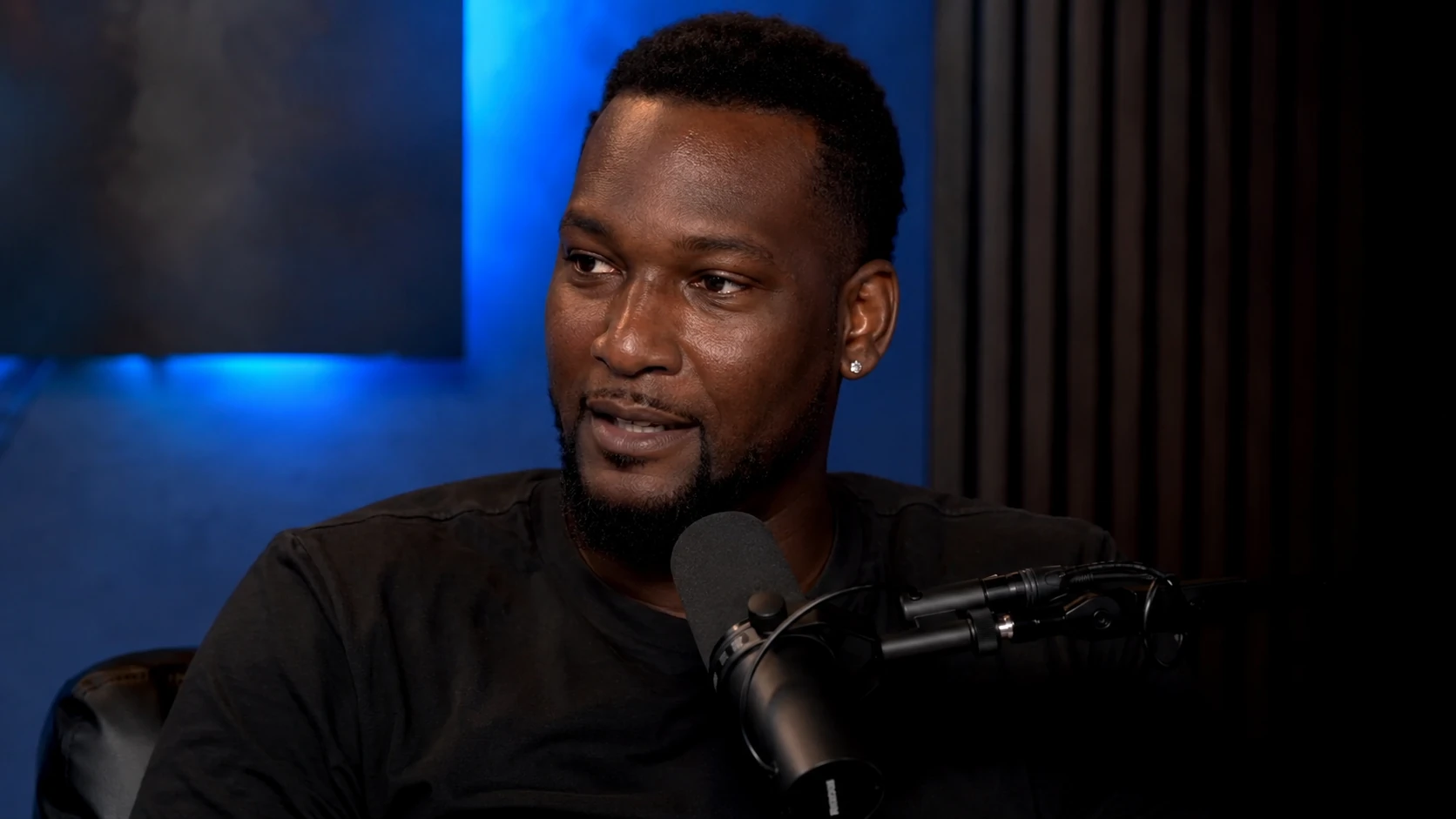
The criticism became more personal in the social media era. Brown eventually pushed back through his own platforms, challenging former players, commentators, and media figures who had mocked him. His response attracted both supporters and critics, but it made clear that he was not willing to let others define his story without answering.
This public shift helped Brown reconnect with a different audience. Some fans began to view him less as a punchline and more as a former athlete who had been judged harshly for not meeting extreme expectations. His story now raises broader questions about how media treats young athletes.
Personal Life and Family
Kwame Brown has kept much of his private life away from public attention. Details about his current relationship status, marriage, and children are not consistently confirmed through reliable public records. Because of that, his family life should be treated with care rather than speculation.
What is clear is that Brown’s identity has long been tied to his upbringing and his experience as a young athlete thrown into national fame. He has spoken publicly in broad terms about hardship, criticism, and the way young players can be used by systems around them. His later media presence often reflects those experiences.
Recent Work and Current Status
As of recent years, Brown has remained visible through online commentary rather than basketball employment. He is not known to be coaching or working in a formal NBA front-office role. His public activity is mainly tied to media, personal commentary, and his independent platform.
There is no confirmed 2026 financial disclosure showing a major change in his net worth. Public estimates remain estimates, and his exact assets, debts, and business income are private. What remains clear is that Brown’s name still carries cultural weight in basketball discussions more than a decade after his last NBA game.
Frequently Asked Questions
What is Kwame Brown’s net worth?
Kwame Brown’s net worth is commonly estimated at around $4 million. That figure is not officially confirmed, so it should be treated as an estimate rather than a proven number.
How much did Kwame Brown make in the NBA?
Kwame Brown earned more than $63 million in NBA salary during his career. His income came from contracts with teams including the Washington Wizards, Los Angeles Lakers, Detroit Pistons, Golden State Warriors, and Philadelphia 76ers.
Why is Kwame Brown famous?
Kwame Brown is famous because he was the No. 1 overall pick in the 2001 NBA Draft. He was the first high school player selected first overall, and his career became one of the most debated in modern NBA draft history.
Was Kwame Brown a draft bust?
Many basketball fans and analysts have called him a draft bust because he did not become a star after being selected No. 1 overall. A fairer view is that he fell short of top-pick expectations but still had a long NBA career and earned major contracts.
What does Kwame Brown do now?
Kwame Brown is best known today for his online commentary and media presence. He has built an independent audience through his “Bust Life” brand and continues to speak publicly about basketball, media criticism, and culture.
Is Kwame Brown married?
Kwame Brown’s current marital status is not publicly confirmed through reliable sources. He has kept much of his personal and family life private.
Conclusion
Kwame Brown’s story is often reduced to one draft label, but his life and career are more complex than that. He was a teenager selected first overall, a player placed under rare pressure, and a professional who still lasted 12 seasons in the NBA.
His money story also needs careful wording. He earned more than $63 million in salary, but his current net worth is only estimated, with public figures often placing it around $4 million. The difference between those numbers shows why income, wealth, and financial security should not be treated as the same thing.
Brown remains relevant because his career says something about sports expectations, media judgment, and second acts. He may not have become the star many predicted, but he built a long career, survived public criticism, and found a way to speak for himself after basketball.
