

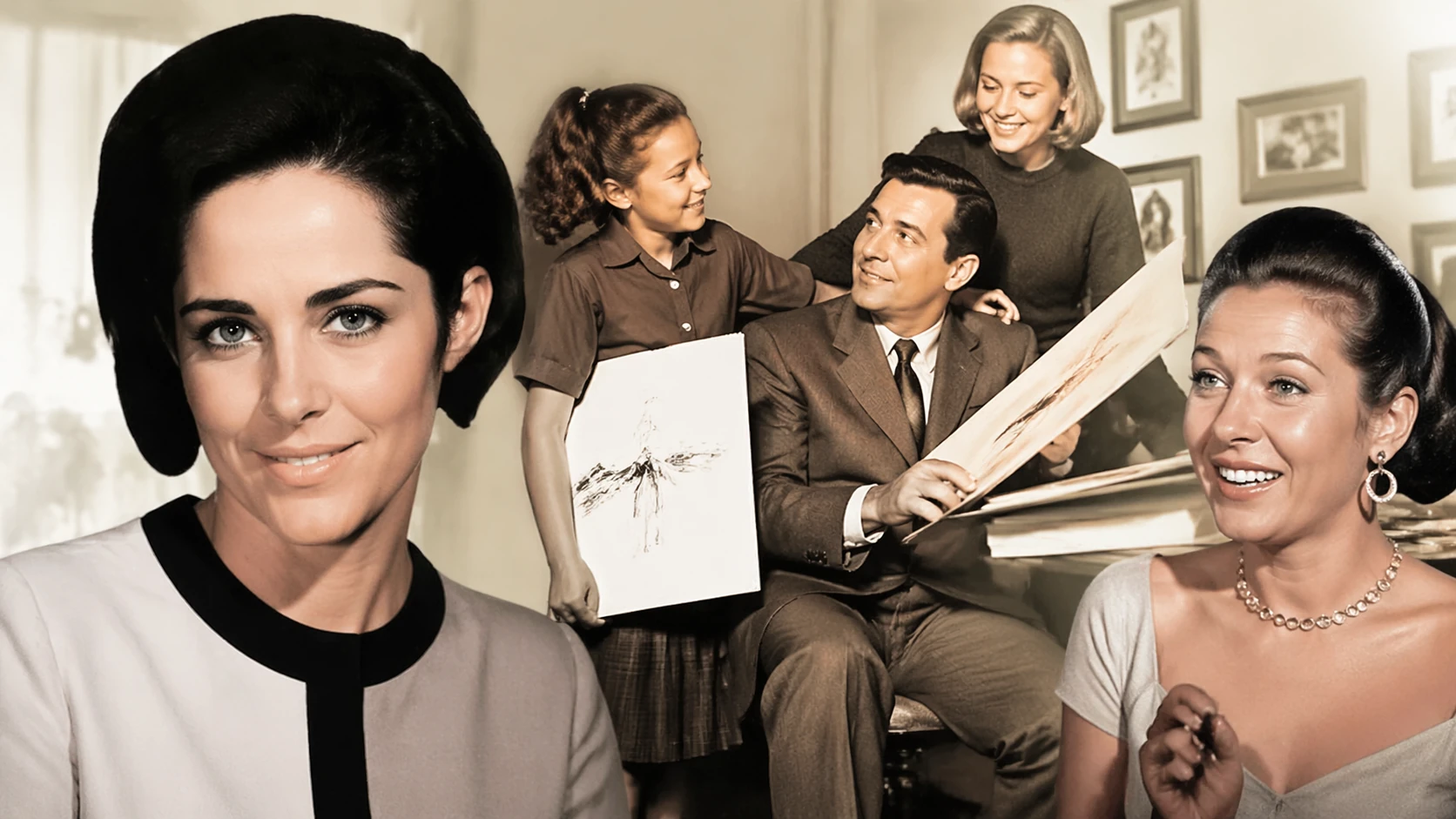
Nia Novella Travilla grew up with Hollywood in her bloodstream but chose a path far from the glare of cameras and red carpets. Born to an Oscar-winning costume designer and a Golden Age actress, she inherited a family name known worldwide, yet she built a life centered on care, animals, and a deep respect for privacy. Her story is compelling because it contrasts the glimmer of Hollywood legacy with the understated work of a dedicated professional in veterinary medicine.
Public records confirm that Nia was born on August 16, 1951, in Los Angeles, California, to William Travilla and Dona Drake. Her father, celebrated for designing iconic wardrobes for Marilyn Monroe, was a dominant presence in Hollywood costume history, while her mother, born Eunice Westmoreland, forged a successful career as a performer navigating a complex racial landscape in the studio era. Nia’s life has often been overshadowed by the fame and myth surrounding her parents, yet the evidence points to a woman who carved her own space quietly and deliberately.
Early Life and Family Background
Nia Novella Travilla’s upbringing was steeped in creativity and public recognition, but also marked by discretion and attention to the private sphere. She was the only child of William Travilla, whose costume work earned him an Academy Award for The Adventures of Don Juan in 1949, and Dona Drake, an actress and singer known for adopting multiple stage personas to navigate Hollywood’s racial barriers. Nia’s mother, described by the Regeneration: Black Cinema project as of mixed Black and white heritage, often presented herself as Mexican to gain access to roles that segregation might otherwise have denied her. This complex family history shaped the environment Nia grew up in, giving her a front-row view of Hollywood’s opportunities and constraints.
As a child, Nia attended Santa Monica High School, where contemporary newspaper clippings and community archives suggest she participated in school bands and other extracurricular activities. A 1968 San Francisco Examiner feature captured her adolescence, highlighting her involvement with her father’s work and early exposure to the entertainment milieu. These formative experiences offered her both inspiration and perspective on the worlds of public performance and private dedication.
Education and First Ambitions
Despite her proximity to Hollywood luminaries, Nia’s educational choices reflected a turn toward service rather than spectacle. While detailed academic records are sparse, sources including family memorial pages indicate that she pursued studies sufficient to qualify for a career in veterinary medicine. Her early affinity for animals, evident from childhood accounts of playing with pets and assisting in family care, likely influenced this direction. Unlike many children of Hollywood families who follow in parental footsteps, Nia chose a professional path grounded in skill, empathy, and scientific training.
She reportedly attended the University of California, Davis, home to one of the nation’s premier veterinary programs. Although official UC Davis records of a scholarship or alumni recognition in her name could not be independently verified, several later biographical accounts describe her educational trajectory leading to veterinary licensure. These accounts, while secondary, consistently depict her as dedicated to animal welfare and clinical work, suggesting that her vocational focus was both deliberate and sustained.
Career in Veterinary Medicine
Nia Novella Travilla’s adult life centered on veterinary medicine, particularly in Northern California. Publicly accessible memorials identify her as a veterinarian and a breeder of Miniature Schnauzers. She appears to have built a reputation as a caring practitioner, treating small animals and engaging with clients in a professional, low-profile manner. These accounts depict a career defined by service rather than visibility, a stark contrast to her parents’ entertainment careers.
Some online sources note her involvement in programs or scholarship initiatives, such as the Nia Travilla Memorial Scholarship and “Nia’s Second Chance” veterinary aid program. These mentions, while consistent across multiple blogs and secondary reporting, lack direct confirmation from official university or program records. The repetition of these claims highlights the challenge of verifying information about a figure who actively maintained a private life.
Legal Challenges and Public Records
An unexpected chapter in Nia Travilla’s life emerges from public court records preserved on community genealogy sites. In 1982, a federal court jury in Los Angeles convicted Nia, then reported to be 30 years old, along with two other individuals, of conspiracy and mail fraud related to a “duplicate billing system” that defrauded businesses of over one million dollars between 1976 and 1981. The documentation identifies her as a horse breeder at the time, and the age and location correspond with other known biographical details. While the case is a matter of public record, detailed court files or follow-up reporting are limited. This episode is part of her history, but it does not define her entire life or professional contributions.
The context of this conviction, appearing in contemporary UPI and later preserved by community genealogy sources, should be treated carefully. It reflects a documented event in her early adulthood without elaborating on her motivations, later rehabilitation, or professional trajectory. Subsequent sources describe her continuing work in veterinary medicine, indicating that she moved past this legal episode to establish a stable and respected practice.
Personal Life and Relationships
Public records indicate that Nia was briefly married to Jose L. Ariza from 1971 to 1973. She had no children and appears to have lived much of her adult life maintaining privacy, rarely engaging with media or publishing personal memoirs. Her choices suggest a deliberate separation from the fame and scrutiny that accompanied her parents’ public lives. Reports from family memorial sites and contemporary accounts suggest she maintained residences in Northern California, including Oakland and San Pablo, while sustaining her veterinary practice and private interests.
Her private life, while not extensively documented, emphasizes the values she carried into adulthood: dedication to professional work, care for animals, and measured engagement with the wider community. These aspects of her life are consistently noted in the sources, which portray a woman who preferred tangible impact over public attention.
Legacy and Impact
Though she did not achieve celebrity status, Nia Novella Travilla’s life leaves a subtle but lasting impact. Community reports, memorial pages, and family recollections consistently highlight her work as a veterinarian and her commitment to animals. Initiatives bearing her name, such as scholarships or veterinary aid programs, underscore her remembered influence, even if primary documentation remains limited. These programs, whether fully realized or primarily commemorative, reflect a legacy of service and compassion.
Nia’s story also provides a lens through which to understand the experiences of children born into high-profile families who choose paths outside the spotlight. Her life illustrates how personal agency, professional dedication, and a focus on meaningful work can coexist alongside a heritage of public achievement and cultural prominence.
Public Perception and Misconceptions
Because she was the daughter of high-profile parents, Nia Travilla’s life has often been refracted through the lens of celebrity. Many online accounts exaggerate, repeat, or conflate details about her professional work, personal interests, or legacy initiatives. Some biographies attribute wealth, philanthropic activity, or Hollywood archival work to her without verifiable evidence. The strongest, most reliable narrative relies on public records, memorial documentation, and contemporary reporting, while clearly distinguishing confirmed facts from anecdotal or secondary reporting.
Another common misconception arises from her name and its variants. While Nia Novella Travilla is the documented full name, she sometimes appears in genealogical and community sources under shortened forms, including Nia Travilla or Mundie Bacon. These entries likely reflect data aggregation or family naming conventions rather than public personas or professional pseudonyms.
Remembering Nia Travilla
Nia Novella Travilla passed away on October 1, 2002, at age 51. Sources vary slightly on location, with some memorial records listing Oakland, California, and others noting a Los Angeles hospital. The cause of death has not been publicly confirmed. Even in absence of public obituary coverage, her life continues to be recognized in genealogical and veterinary communities, highlighting the enduring respect for her professional work and personal character.
Her legacy is quieter than her parents’ public renown, but it is tangible in the lives she impacted through her care for animals, her professional service, and the ongoing remembrance in community and family archives. In many ways, the contrast between her parents’ Hollywood careers and her own measured, service-oriented life underscores the personal choice and deliberate agency that defined her adulthood.
Conclusion
Nia Novella Travilla’s biography is a study in discretion and purposeful living. Born into Hollywood prominence, she could have pursued fame and fortune in entertainment but instead focused on building a life of tangible impact, caring for animals and shaping a professional identity independent of her parents’ celebrity. Her recorded history shows both public documentation and gaps, reminding us that privacy and legacy can coexist.
Her life exemplifies how an individual can make a meaningful contribution without a public platform. The verified elements of her biography—her parentage, her work as a veterinarian and dog breeder, her brief marriage, and her passing—offer a portrait of someone grounded, committed, and quietly influential. Nia’s story challenges the assumption that the children of famous figures must inhabit the same public sphere, and instead celebrates the measured choices that define character and impact.
Frequently Asked Questions
Who were Nia Novella Travilla’s parents?
Her father was William Travilla, the Academy Award-winning costume designer known for his work with Marilyn Monroe. Her mother was Dona Drake, born Eunice Westmoreland, an actress and singer with a significant career in Hollywood’s mid-20th-century film industry.
When and where was Nia Novella Travilla born?
Nia was born on August 16, 1951, in Los Angeles, California. Public genealogical records, including FamilySearch, confirm her birth date and parentage.
What was Nia Travilla’s profession?
She was a veterinarian and a breeder of Miniature Schnauzers. These details are supported by community memorial sources and family-history records, though official licensing documentation is not publicly available.
Did Nia Novella Travilla marry or have children?
Nia was briefly married to Jose L. Ariza from 1971 to 1973 and did not have any children. She maintained a private personal life throughout her adulthood.
What is known about her death?
Nia Novella Travilla died on October 1, 2002, at age 51. Sources differ slightly on the location, with records indicating either Oakland or Los Angeles. No verified public cause of death has been documented.
Was Nia Travilla involved in any legal issues?
Yes. In 1982, a federal court jury in Los Angeles convicted Nia Travilla, along with two other individuals, of conspiracy and mail fraud related to a “duplicate billing system.” The record identifies her as a 30-year-old horse breeder at the time, and the details are preserved in UPI reporting archived on genealogy sites.
Are there scholarships or programs in her name?
Several online biographies mention a Nia Travilla Memorial Scholarship at the UC Davis School of Veterinary Medicine and a program called “Nia’s Second Chance.” These claims are repeated in secondary sources but have not been independently verified through official university records.
