

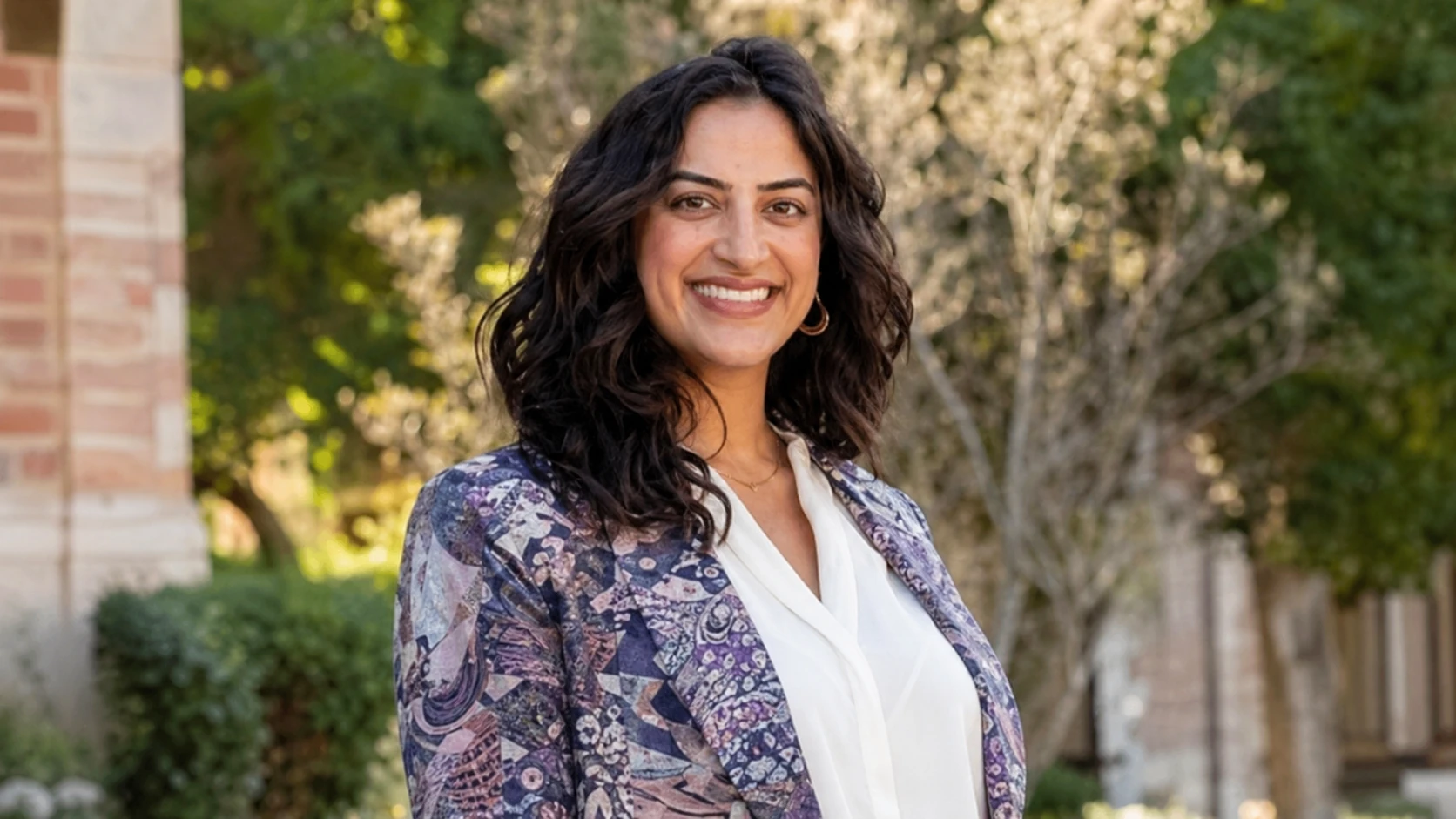
Shivani Dave is the kind of public figure whose career makes more sense when viewed across several rooms at once: a radio studio, a science newsroom, a queer archive, a protest line, and a live television panel where language itself can become the story. They are a British journalist, broadcaster, presenter, physicist, audio producer, and LGBTQ+ commentator whose work has moved between the BBC, The Guardian, Virgin Radio, and independent queer history projects. For many people, Dave first became visible through radio and podcasting; for others, their name surfaced after public debates about gender, pronouns, and media conduct. The fuller story is more interesting than any single clip.
Dave uses they/them pronouns and has spoken publicly about being non-binary, queer, and South Asian. Their public work has often centred people whose lives are easy to discuss badly and hard to represent well: LGBTQ+ communities, minority ethnic audiences, young people navigating identity, and listeners trying to make sense of science and technology. That combination has made Dave both a broadcaster and a translator, someone who can move between technical ideas, personal histories, and political arguments without treating any of them as abstract. Their career is still developing, but it already offers a clear picture of how modern media work can blend journalism, production, advocacy, and community memory.
Early Life and Family Background
Public information about Shivani Dave’s childhood and family life is limited, and that matters because not every biography should pretend private details are public record. Dave has identified publicly as South Asian and queer, but they have not built their career around exposing intimate family history. What can be said with care is that their identity has shaped the subjects they choose to cover and the communities they often centre in their work. Their public comments suggest a strong awareness of what it means to move through British media as someone who is both queer and from a minority ethnic background.
Dave’s story also reflects a wider generational shift in British broadcasting. Earlier media careers often demanded that presenters separate identity from professional authority, especially when they came from marginalised communities. Dave’s public work does not follow that older script. They have treated identity as part of the knowledge a journalist may bring to a subject, while still grounding their work in reporting, production, and careful communication.
Family details such as parents’ names, siblings, marital status, and children are not reliably confirmed in the public record. That absence should not be treated as a mystery to solve through speculation. For a public figure like Dave, whose professional life already involves frequent commentary on sensitive social issues, drawing a firm line around unverified private details is part of responsible coverage. The verifiable story is rich enough without pretending to know what they have chosen not to share.
Education and Early Ambitions
Dave’s route into journalism began with science rather than a traditional media pathway. They studied physics at the University of Nottingham, a background that continues to shape how they speak about evidence, data, and public understanding. They later completed a master’s degree at Imperial College London, one of Britain’s best-known science and technology institutions. That training gave Dave an unusual foundation for a broadcasting career, especially in a media culture that often separates science specialists from presenters and political commentators.
Physics is not an obvious starting point for queer history podcasts or breakfast radio, but in Dave’s case the connection is clearer than it first appears. Studying science trains a person to ask what evidence supports a claim, how systems work, and what language makes complicated ideas clearer. Those habits translate well into journalism, where accuracy and explanation matter as much as performance. Dave has spoken about science communication as an early interest, and their career has often shown a desire to make difficult subjects accessible without making them simplistic.
During university, Dave became involved in radio, which appears to have been a key turning point. Student broadcasting has launched many British media careers because it gives young presenters space to experiment, fail, edit, produce, and learn what an audience responds to. For Dave, radio offered a way to combine curiosity with voice. It also gave them a practical entry into audio storytelling, a format that would become central to their professional identity.
Entering Journalism Through the BBC
Dave’s early career included work with the BBC World Service, one of the most respected training grounds in international broadcasting. The World Service demands a particular discipline: stories have to be clear to listeners from different cultures, backgrounds, and levels of prior knowledge. For a young journalist with a science background, that environment offered a strong education in precision and audience awareness. It also gave Dave experience in production, editing, reporting, and the rhythm of radio news.
Their BBC work later extended across several parts of the organisation, including Radio 1, Radio 4, BBC Minute, local radio, and science-related news output. This range is important because it shows Dave was not confined to one lane. They could work on short-form digital news, longer audio programming, local community broadcasting, and specialist reporting. That flexibility became one of the defining features of their career.
At the BBC, Dave developed both behind-the-scenes and on-air skills. Many listeners know presenters only by the voice they hear, but radio depends heavily on production judgment: what to cut, what to keep, how to structure a conversation, and how to make a guest sound human rather than rehearsed. Dave’s later work in podcasts and live presenting reflects that training. They became not just someone who could speak into a microphone, but someone who understood how audio stories are built.
Science Communication and The Guardian
After their BBC period, Dave continued working in audio and science communication, including presenting and production linked to The Guardian’s Science Weekly. That work fits naturally with their academic background. Science Weekly covers subjects that can easily become dense or technical, from technology and climate to health and research culture. Dave’s role in that world placed them among broadcasters whose job is to make scientific subjects understandable without stripping away complexity.
This part of Dave’s career matters because it complicates the narrow way public figures are sometimes categorised online. People who discover Dave through LGBTQ+ commentary may not immediately know that they also trained in physics and worked in science audio. People who know them from science communication may not know the extent of their queer history work and activism. The overlap is the point: Dave’s career shows how one person can carry several areas of authority at once.
Their science background also affects how they approach public debate. In conversations about health, gender services, technology, and social policy, evidence is often used badly or selectively. Dave’s public persona is not that of a detached academic, but their training gives them a useful relationship with evidence and explanation. That is one reason they have become a recognisable voice in media discussions where emotion, identity, and public policy meet.
The Log Books and Queer History
One of Dave’s most meaningful projects is The Log Books, an LGBTQ+ history podcast based on the archives of Switchboard, the long-running LGBT+ helpline. The podcast, associated with Adam Zmith, Tash Walker, and Shivani Dave, uses handwritten notes and volunteer records to tell stories from queer life in Britain. The show won Best New Podcast at the British Podcast Awards in 2020, giving it recognition beyond its core community audience. More important than the award, though, was the method: the podcast treated everyday calls, fears, hopes, and survival strategies as history.
The Log Books worked because it avoided turning queer history into a neat parade of famous names. Instead, it focused on the people who rang a helpline because they needed information, reassurance, connection, or safety. That approach required trust and restraint. The material was intimate, and the storytelling had to honour people who may never have imagined their lives would become part of a public archive.
Dave’s involvement in the project helps explain their wider public role. They are not simply a commentator appearing on panels about LGBTQ+ rights. They have worked with the recorded memory of queer communities, listening to how people actually spoke when they were scared, hopeful, isolated, angry, or in love. That kind of archive work gives a broadcaster a different sense of history, one rooted less in slogans and more in lived detail.
Coming Out as Non-Binary on Air
In 2020, Dave came out publicly as non-binary during a BBC Radio Wiltshire Pride special. The moment received media attention because it happened live on air and because Dave spoke plainly about what being non-binary meant to them. They explained that they did not identify as a man or a woman and used the moment to help other non-binary people feel seen. The broadcast took place during a year when many Pride events had been cancelled because of the COVID-19 pandemic, which gave the moment added weight for listeners who were already isolated.
Coming out publicly is rarely a single event, and Dave said as much. For LGBTQ+ people, disclosure often happens repeatedly, in different settings, with different risks attached each time. For a broadcaster, doing it on air adds another layer because the private becomes part of the public record. Dave’s decision turned a Pride programme into something more personal and more politically meaningful.
The response also showed why representation still matters in local and national media. A non-binary South Asian broadcaster speaking openly on a BBC platform reached people who may not often hear themselves reflected in mainstream British broadcasting. That visibility did not erase the difficulties non-binary people face, but it did create a public moment of recognition. For many listeners, that kind of direct, calm explanation can matter more than a debate segment built around conflict.
Virgin Radio, Pride Programming, and Broader Visibility
Dave later became closely associated with Virgin Radio Pride and other LGBTQ+ audio programming. Virgin Radio Pride was designed as a seasonal station with music, interviews, documentaries, and conversations aimed at LGBTQ+ audiences and allies. Dave’s presence there made sense because their career already combined broadcasting experience with community knowledge. They could host entertainment-led programming while still bringing seriousness to the issues behind Pride.
Their work with Virgin Radio Pride also showed how queer media has changed. Pride programming is no longer only about celebration, though celebration remains central. It also includes mental health, political backlash, family relationships, trans rights, queer history, and the commercial pressures around Pride itself. Dave has been part of that broader shift, where presenters are expected to create warmth without avoiding difficult subjects.
Dave has also presented on Pride Vibes and appeared across television and radio as a commentator. Their profile expanded through appearances on Good Morning Britain, Sky News, BBC platforms, TalkTV, and other outlets. In these settings, they are often asked to speak on LGBTQ+ issues, media representation, politics, and public language. That visibility has brought influence, but it has also made them a target for hostile commentary in a media environment where gender identity is often treated as a battleground.
Public Image and Media Debates
Dave’s public image is shaped by a tension familiar to many LGBTQ+ commentators. They are invited into mainstream spaces because they can explain issues clearly and speak from lived experience, but those same spaces can turn basic respect into a point of conflict. This was especially clear during an April 2024 TalkTV appearance with Julia Hartley-Brewer, where Dave corrected the presenter after being introduced with the wrong pronouns. The exchange spread online because it captured a recurring dispute in British media: whether respecting a guest’s pronouns is treated as courtesy or controversy.
The clip became widely discussed because it was not only about grammar. It was about who gets to set the terms of a conversation before the actual topic begins. Dave tried to correct the record and move forward, while the exchange itself became part of a larger debate about trans and non-binary people in broadcast settings. For supporters, Dave’s handling of the moment showed composure under pressure; for critics, the clip became another flashpoint in arguments about gender identity.
What made the incident especially charged was its timing around public discussion of the Cass Review into gender identity services for children and young people in England. That review had already intensified debate about medicine, youth services, evidence, and trans rights. Dave’s appearance landed inside that climate, where policy discussions often spill into personal attacks on trans and non-binary speakers. The moment helped make Dave more searchable, but it should not define the whole of their career.
Activism and Community Organising
Dave’s public work also includes activism and community organising, especially around queer spaces and anti-corporate Pride politics. They have publicly criticised corporate sponsorship in LGBTQ+ events when they believed it conflicted with queer liberation and environmental justice. In 2023, Dave was reported to have protested outside the British LGBT Awards over concerns about sponsorship links involving fossil fuel companies. Their criticism reflected a wider argument inside LGBTQ+ communities about whether Pride should remain rooted in protest or become a corporate celebration.
That position is consistent with Dave’s wider involvement in grassroots queer spaces. They have been connected with efforts to bring back London Dyke March, an event framed around anti-corporate, intersectional, community-led politics. The march’s language and organising ethos place it closer to protest than parade. Dave’s involvement suggests a commitment not only to representation inside media institutions, but also to spaces built outside them.
This is where Dave’s career becomes more than a broadcasting résumé. They are part of a group of public figures who move between media and organising, using visibility to support community projects rather than treating visibility as an end in itself. That kind of role can be demanding because it invites scrutiny from several directions at once. Broad audiences may want simple statements, while community audiences often expect accountability, care, and political clarity.
Awards, Recognition, and Industry Standing
Dave has been recognised by media and LGBTQ+ organisations during their career. Public biographies list them among the Radio Academy’s 30 Under 30, and they have been associated with Attitude’s 101 list and British LGBT+ Awards recognition. They were also linked to The Log Books, which won Best New Podcast at the British Podcast Awards in 2020. These credits place Dave among a generation of British audio professionals whose influence has grown through podcasts, radio, digital media, and specialist cultural work.
Awards do not explain the whole of Dave’s significance, but they do show that their work has been noticed beyond a small circle. The Radio Academy’s 30 Under 30 is especially relevant because it recognises emerging talent in UK radio and audio. For someone whose career has included production, presenting, commentary, and community storytelling, that kind of industry recognition confirms a wider professional reputation. It also helps separate Dave’s verified career from the thin biography pages that often appear around public figures.
Their standing is built less on a single hit programme than on range. Dave has worked in science media, queer history, live radio, podcasting, public panels, and national television commentary. That range makes them harder to summarise but more interesting as a profile subject. They represent a media career shaped by adaptability rather than a straight climb through one institution.
Relationships, Marriage, and Private Life
There is no reliable public record confirming Shivani Dave’s spouse, partner, marriage, or children. Because Dave has not made those details a major part of their public profile, they should not be treated as open territory for speculation. Public interest in a broadcaster’s personal life is understandable, especially when that person speaks about identity and community. Still, responsible biography separates what a person has chosen to share from what strangers want to know.
Dave has spoken publicly about being non-binary and queer, and those facts are part of their public life because they have discussed them in professional and media contexts. That is different from treating all private relationships as public information. Their work often touches intimacy, family, belonging, and community, but it does so through journalism and commentary rather than celebrity disclosure. The distinction is important because it respects both the subject and the reader.
This careful boundary also protects accuracy. Many online biographies fill gaps with guesses about dating, family, or income because search users ask those questions. A serious profile should do the opposite. Where the record is silent, the honest answer is that the information has not been publicly confirmed.
Income Sources and Net Worth
Shivani Dave’s income likely comes from several professional streams: presenting, broadcasting, freelance journalism, podcast production, public speaking, consulting, and event work. That mix is common for modern media professionals, especially those who work across radio, audio, television, and cultural commentary. Dave’s official materials describe them as a presenter, journalist, producer, DJ, commentator, and consultant, which suggests a portfolio career rather than a single salaried public role. Still, the exact structure of their income is not public.
There is no credible verified net worth figure for Shivani Dave. Some websites may publish estimates, but without financial records, direct confirmation, company filings tied clearly to earnings, or reliable industry reporting, those numbers should be treated as guesses. Public figures outside the highest tiers of celebrity rarely have verifiable net worth data. In Dave’s case, the responsible answer is that their net worth has not been publicly confirmed.
This does not mean Dave’s career lacks financial substance. Broadcasting, podcasting, speaking, consulting, and presenting can form a stable professional base, especially for someone with national media credits. But readers should be wary of precise figures presented without sourcing. A clean biography should say what is known about income sources and avoid inventing the rest.
Current Work and Public Status
Dave remains active as a broadcaster, presenter, commentator, and community organiser. Their public profiles continue to describe work across Virgin Radio Chilled, Virgin Radio Pride, Pride Vibes, television commentary, event hosting, and consulting. They also continue to be associated with queer history, LGBTQ+ rights, science communication, and public conversations around gender and media. That combination keeps them relevant across several audiences at once.
Their current status is best understood as that of an independent media figure rather than a conventional celebrity. Dave is visible enough to be searched, debated, quoted, and invited onto national programmes, but their work still depends on substance more than spectacle. They move through spaces where the audience may be listening for comfort, information, representation, or argument. That makes their public role both useful and exposed.
The strongest through-line in Dave’s work is communication under pressure. Whether explaining science, preserving queer history, hosting Pride programming, or correcting pronouns on live television, they often work at points where misunderstanding is likely. Their career suggests a belief that language can either shut people out or bring them into the room. That belief has made them a distinctive voice in British media.
Frequently Asked Questions
Who is Shivani Dave?
Shivani Dave is a British journalist, broadcaster, presenter, physicist, audio producer, DJ, and LGBTQ+ commentator. They have worked with organisations and platforms including the BBC, The Guardian, Virgin Radio, Virgin Radio Pride, Pride Vibes, and The Log Books. They are known for combining science communication, queer history, public commentary, and community-focused broadcasting.
What are Shivani Dave’s pronouns?
Shivani Dave uses they/them pronouns. They came out publicly as non-binary during a BBC Radio Wiltshire Pride broadcast in 2020 and have continued to use they/them in public-facing professional profiles. Using those pronouns is the accurate and respectful way to refer to them.
Is Shivani Dave married?
There is no reliable public confirmation that Shivani Dave is married. Details about a spouse, partner, or children have not been publicly established through credible sources. Because Dave has not made that part of their public profile, any claim about their marital status should be treated carefully unless they confirm it themselves.
What is Shivani Dave famous for?
Dave is known for radio presenting, LGBTQ+ media work, science communication, and public commentary on gender and queer rights. They are also associated with The Log Books, an award-winning LGBTQ+ history podcast based on Switchboard’s archives. More recently, they gained wider online attention after a TalkTV exchange about pronouns during discussion of the Cass Review.
What is Shivani Dave’s net worth?
Shivani Dave’s net worth has not been publicly verified. Their income appears to come from broadcasting, presenting, freelance journalism, podcast production, consulting, public speaking, and event work. Any exact figure published without strong evidence should be viewed as an estimate rather than a confirmed fact.
What did Shivani Dave study?
Dave studied physics at the University of Nottingham and later completed a master’s degree at Imperial College London. Their science background has shaped their work in science communication and audio journalism. It also gives them an unusual profile among broadcasters who cover both technical subjects and social issues.
What is Shivani Dave doing now?
Dave continues to work as a broadcaster, presenter, commentator, and consultant. Their public work includes radio presenting, Pride programming, LGBTQ+ commentary, event hosting, and community projects. They remain a visible voice in British media conversations about identity, science, politics, and queer public life.
Conclusion
Shivani Dave’s biography is not a simple story of a broadcaster finding a platform. It is the story of someone who moved from physics into journalism, from science audio into queer history, and from production rooms into live public debate. That movement explains why their work reaches different audiences for different reasons.
The most revealing thing about Dave’s career is not any one viral moment. It is the consistency of the subjects they return to: clarity, identity, history, evidence, and respect. Whether they are presenting a radio show, producing a podcast from an archive, or speaking on television, their work asks listeners to pay closer attention to people who are often flattened in public debate.
Dave’s public profile will likely keep growing because the questions around their work are not fading. Media representation, LGBTQ+ rights, science literacy, and the politics of language remain central to British public life. In that space, Shivani Dave stands as a broadcaster shaped by evidence, community, and the belief that being heard clearly can still change the conversation.
