

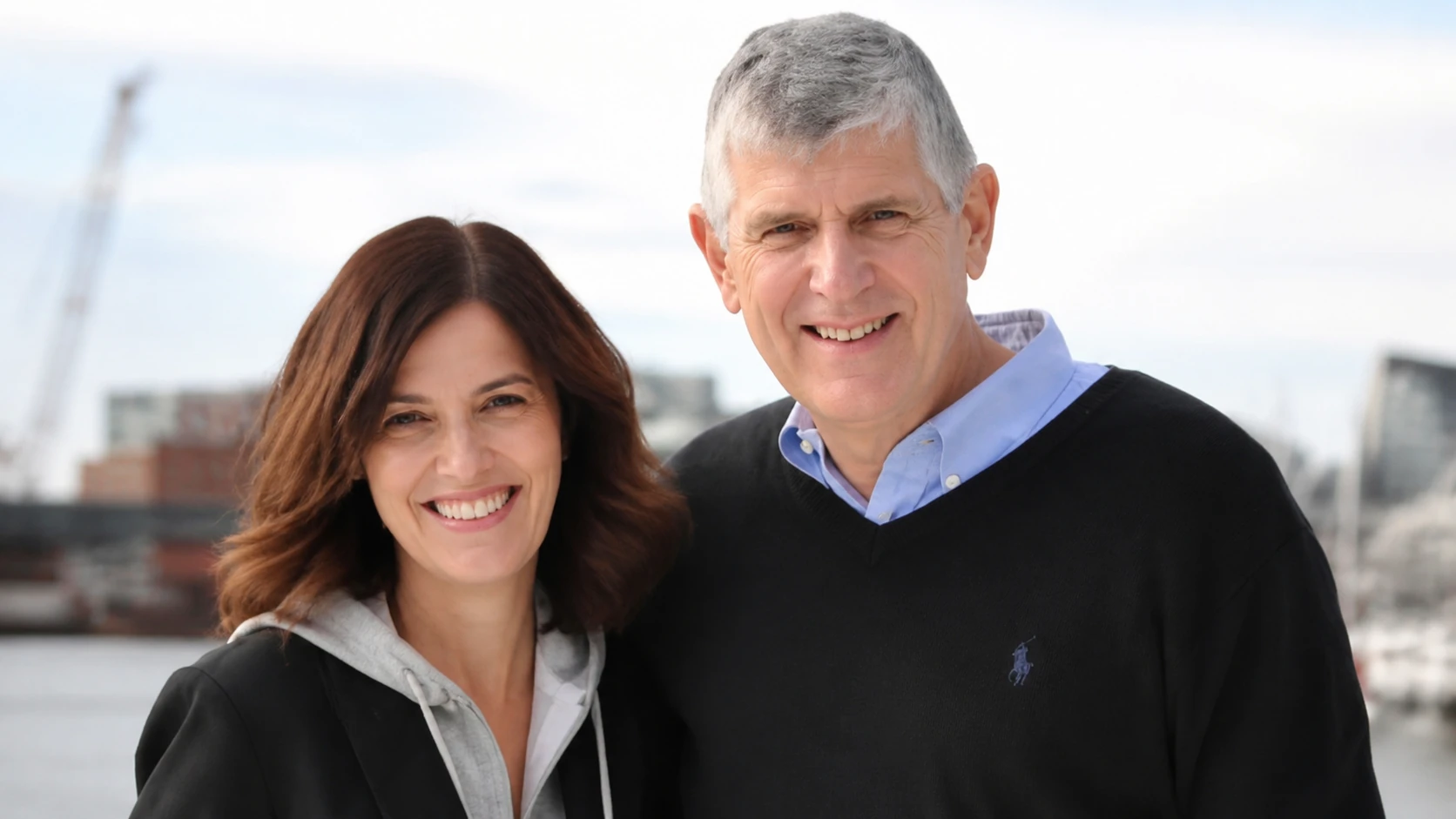
Steve Rosenberg is one of the most recognisable foreign correspondents in modern journalism. For more than three decades, his voice, his questions from the Kremlin press room and even his piano interludes have become shorthand for Western audiences trying to understand Russia. What he has not done, by choice, is allow the same level of visibility into his personal life — especially regarding his marriage. This profile explores what can be responsibly and factually said about Steve Rosenberg’s wife, the personal world that has remained largely out of public view, and how his private life intersects with the remarkable career that has made him a defining chronicler of contemporary Russia.
Early Life and the Beginning of a Russia Story
Steven Barnett Rosenberg was born on 5 April 1968 in Epping, Essex, a market town on the edge of London. Raised in Chingford in east London, he grew up fascinated by languages and the wider world. He was of Jewish heritage and — as he has recounted in his own writings — part of his family’s roots trace back to the Russian Empire. That ancestral connection, and early exposure to Russian culture through television and books, set him on a path that would shape his career.
Rosenberg’s academic choices reflected that early interest. After completing A‑Levels at Chingford Senior High, he read Russian Studies at the University of Leeds, earning a first‑class degree in 1991. Within weeks of graduation, he moved to Moscow, not as a celebrated reporter but as an English teacher at the Moscow State Technological University STANKIN. The Soviet Union was unraveling, and Rosenberg arrived at a historical inflection point.
Living and working in Moscow in the early 1990s gave Rosenberg a living experience of a society in transition — its possibilities and its volatility. It was here that he began to forge his professional identity, transitioning from teaching into journalism and eventually into a role that would define his life’s work.
The Journalist Becomes a Moscow Institution
Rosenberg’s journalism career formally took off in the early 1990s when he started working for CBS News’ Moscow bureau as a translator, assistant producer and producer. He covered Chechnya’s first war and other tumultuous events before joining the BBC’s Moscow bureau in 1997 as a producer. By 2003, he was the BBC’s Moscow correspondent — a role that had him reporting major national and international stories, including the Beslan school siege, the Kursk submarine disaster, repeated Russian elections and, later, the war in Ukraine.
From 2006 to 2010, Rosenberg worked as the BBC’s Berlin correspondent, returning to Moscow in 2010 as correspondent and, in March 2022, being appointed Russia Editor — a role created to deepen coverage of the war in Ukraine and the shifting geopolitical tensions that define the early 21st century.
His reporting style has been characterised by calm, depth and a refusal to reduce complex narratives to slogans. Whether it’s questioning President Vladimir Putin at marathon press conferences or finding voices on Moscow street corners, Rosenberg has pressed for context and meaning. Audiences outside Russia have come to trust his dispatches for clarity in an environment where information is tightly controlled and, at times, openly hostile to independent scrutiny.
That professionalism, while public, contrasts sharply with how he manages his private life. Rosenberg’s reporting is widely documented; his personal life is not.
Marriage: What Is Public and What Is Private
One of the most persistent questions about Steve Rosenberg online is simple: who is his wife? Unlike many public figures, especially those with television visibility, Rosenberg has not made his marriage a subject of public discussion. The BBC’s official biographies and standard media profiles leave out personal details like his spouse’s name or background. This omission is notable in an age when public figures’ private lives are often exhaustively chronicled.
In a 2026 feature in Radio Times, Rosenberg spoke briefly about the role his personal life plays in helping him manage the pressures of his work. He told the magazine that “my wife, and playing the piano, help to put the craziness behind me, because it feels as if everything has been turned upside down several times.” That line — a rare glimpse into his off‑camera world — confirms the existence of a spouse and suggests an enduring partnership amid the strains of reporting on one of the most politically fraught environments in the world.
But beyond acknowledging her existence and importance to him personally, Rosenberg has chosen not to make details about his wife public. He has not disclosed her name, her occupation, her nationality or her background in any widely cited interview or official BBC profile. This is not a record of omission by accident; it is a consistent pattern of privacy. Journalists and biographers who chronicle public figures’ careers often rely on such information, but in Rosenberg’s case, it simply isn’t available in primary, verifiable sources.
This lack of public information has left space for speculation online. Various secondary and tertiary web pages — many without credible sourcing — have asserted names such as “Raisa” or presented other personal details about his spouse. Those pages, however, are not backed by mainstream journalism, direct interviews or Rosenberg’s own statements, and they should not be treated as authoritative.
The truth is that Rosenberg’s spouse remains a private figure by choice or mutual agreement — one whose identity has not been confirmed in reliable public records. That privacy is a deliberate boundary that Rosenberg maintains between his public reporting and his personal life.
The Balance Between Public Work and Private Life
To understand why Rosenberg’s marriage remains out of the spotlight, it’s worth considering the context of his work. He has spent more than 30 years living in Russia — decades longer than most foreign correspondents typically spend in a single country. That kind of longevity in a posting often comes with personal disruption, risk and a need for emotional support. Balancing a high‑pressure professional life in a country that has periodically pushed foreign media outlets, including the BBC, to the margins requires personal resilience. The presence of a partner is likely central to that equilibrium, even if the public doesn’t know her name.
Foreign journalists in Russia have encountered visa restrictions, state media attacks and, in some cases, outright hostility. The environment became markedly more restrictive after Russia’s invasion of Ukraine in 2022. Many international reporters were expelled or pulled out, but Rosenberg chose to stay, navigating the legal and political tightrope of remaining on the ground. Living and working in a place where media freedom is constrained inevitably influences how much a journalist might want to expose about their personal life — for safety, privacy, or professional boundaries.
That sense of compartmentalisation between public and private isn’t unique to Rosenberg, but it is particularly pronounced. His BBC profile, detailed in professional achievements, does not include family information; his interviews seldom stray into personal territory; and even documentary portrayals such as Our Man in Moscow depict him working, walking his dog or playing piano but do not explore his marriage.
Life in Moscow and Family Ties
While details about his wife are scant, it appears Rosenberg’s personal life has remained largely rooted in Russia alongside his professional duties. Moscow is where he has spent most of his adult life — adapting to its rhythms, its cultural textures and its political shifts. In a feature interview, he referenced returning home to see his wife and their dog after demanding days of reporting.
Some earlier, less credible online sources suggest Rosenberg has children, but there is no direct confirmation from authoritative reporting. What can be responsibly said is that Rosenberg has maintained a stable personal life in Russia throughout the dramatic phases of his career — from the chaotic years of post‑Soviet transition to the tense and restricted environment of the post‑Ukraine invasion era. His family life, while largely invisible to the public, has been a constant backdrop to his work.
The Journalist’s Public Image and Personal Boundaries
Steve Rosenberg’s public image is of a diligent reporter, fluent in Russian, deeply experienced, and able to navigate both Kremlin press events and street‑level interviews. He has pressed hard questions of leaders, covered crises and brought stories from inside a country that is often difficult for outsiders to access. But his personal identity — the husband, the partner — remains a guarded territory.
Some journalists might share family stories in personal essays, social media posts or long‑form profiles; Rosenberg has not. In an era when personal branding often reigns supreme, he stands apart. His choice to keep his family life private may reflect professional discipline, personal preference, or a thoughtful boundary he believes protects his loved ones.
Where Steve Rosenberg and His Private Life Stand Now
As of 2026, Rosenberg remains the Russia Editor for BBC News, a role that places him at the forefront of reporting on one of the most consequential geopolitical flashpoints of the 21st century. He continues to broadcast from Moscow, interrogate powerful figures, and provide context in environments increasingly hostile to open journalism.
His personal life — including his marriage — remains private. That privacy isn’t an absence of life; it’s a conscious boundary that separates his public role from his private world. What we can say with confidence is that Rosenberg is married, that his spouse is an anchor in his life far from the UK, and that he has chosen not to make her identity a matter of public record. Beyond that, responsible reporting stops. Everything else — names, occupations, biographies — remains unverified in trustworthy sources.
Steve Rosenberg’s story is one of a life dedicated to reportage from inside a nation few Western journalists call home for long. His wife, while absent from headlines, is a silent partner in that story — part of the fabric that has allowed him to do what he does in a place where journalism is often a dangerous endeavour.
Frequently Asked Questions
Is Steve Rosenberg married?
Yes. Steve Rosenberg is married, though he does not publicly disclose details about his spouse. His long‑term partner is referenced in interviews as a significant source of personal support.
What is the name of Steve Rosenberg’s wife?
There is no confirmed public record from reputable sources that lists the name of Steve Rosenberg’s wife. Some unofficial websites speculate names, but these are not backed by verifiable reporting and should be treated cautiously.
Has Steve Rosenberg talked about his wife in interviews?
Occasionally, yes. In at least one 2026 profile, Rosenberg mentioned his wife as a grounding influence after challenging reporting days. But he has not discussed her identity or personal history in detail.
Do Steve Rosenberg and his family live in Russia?
Yes. Rosenberg has lived in Moscow for most of his adult life, and his spouse has lived there with him, based on his own comments about life in the city.
Does Steve Rosenberg have children?
There are unverified web claims that he may have children, but no reliable mainstream source confirms their identities or personal details.
Conclusion
Steve Rosenberg is a journalist whose work stands in public view; his marriage does not. That boundary is a choice, and it should be respected. What we know — based on reporting and Rosenberg’s own comments — is that he is committed to both his vocation and his family life, even if only his professional face is familiar to audiences worldwide.
His career has spanned transformative eras in Russia’s history, and through it all he has maintained an uncommon level of discretion about his personal sphere. In a media world quick to pry and quick to publish, Rosenberg’s guarded personal life — including what can be confirmed about his wife — remains quietly intact. And that restraint tells its own story about a journalist who judges that some parts of life are best lived, not broadcast.
