

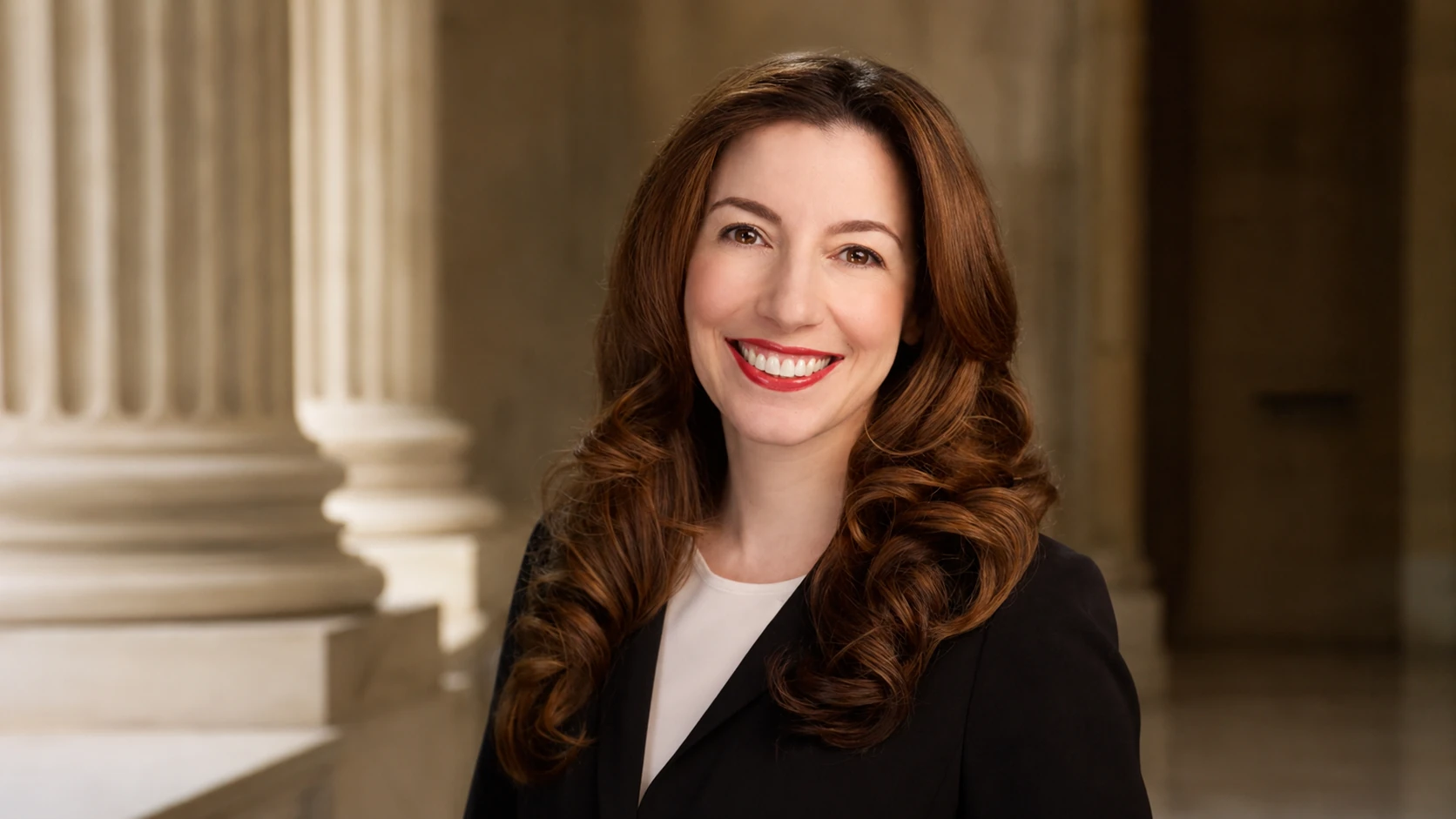
Kristy Greenberg built her public reputation in one of the most demanding legal environments in the United States: the U.S. Attorney’s Office for the Southern District of New York. Known for her work in cybercrime, white-collar fraud, securities matters, and complex federal prosecutions, she later became familiar to a wider audience as a legal analyst on MS NOW, formerly MSNBC. Readers search for Kristy Greenberg because her career connects federal law enforcement, high-profile criminal cases, private legal practice, and television commentary, while many details about her private life remain carefully limited.
Who Is Kristy Greenberg?
Kristy Greenberg is an American attorney, former federal prosecutor, former Deputy Chief of the Criminal Division at the Southern District of New York, private-practice litigation partner, and legal analyst. Professionally, she is best known for explaining criminal law, investigations, prosecutorial decisions, and court procedure to the public. Her background gives her commentary weight because she spent more than a decade working inside the federal criminal justice system.
Her full name is often listed professionally as Kristy J. Greenberg or Kristy Jean Greenberg. She has worked on matters involving cybercrime, cryptocurrency, financial fraud, securities and commodities fraud, health care fraud, insider trading, hacking, and money laundering. That range has made her useful as a public commentator at a time when many major legal stories involve digital evidence, political attention, and complex financial records.
Greenberg is not a celebrity in the traditional sense. Her public profile comes from professional credibility rather than entertainment fame. That is why the most reliable way to understand her life is through her education, legal career, case record, media work, and the boundaries she has kept around her family life.
Early Life and Family
Kristy Greenberg’s early life, birthplace, parents, siblings, and childhood background are not publicly confirmed in reliable detail. Unlike many television personalities, she has not built her public identity around personal storytelling. Most verified information about her begins with her education and legal career.
That privacy has led to confusion online. Some biography websites publish claims about her age, family, or personal background without clear sourcing. Those claims should be treated carefully because Greenberg has not publicly confirmed many of those details through trusted professional profiles, interviews, or official records.
What can be said with confidence is that she is American and has spent a major part of her professional life in New York legal circles. Her career reflects a highly selective academic and legal path, beginning with elite university training and moving into major federal prosecution.
Education and Legal Training
Greenberg’s education is one of the clearest parts of her public profile. She graduated summa cum laude from Yale University and was elected to Phi Beta Kappa, an academic honor society associated with high achievement in the liberal arts and sciences. She later earned her law degree cum laude from Harvard Law School.
Those credentials placed her on a path toward high-level litigation, government service, and complex legal work. Yale and Harvard Law graduates often move into clerkships, major law firms, public-interest roles, federal agencies, or prosecutor’s offices. Greenberg’s later career shows how that training translated into both courtroom work and leadership.
She was admitted to practice law in New York in 2005, according to public attorney listings. That timeline fits her later rise through federal prosecution and private practice. Rather than moving directly into media, she first built a long record in law before becoming a public legal voice.
Early Career in Private Practice
Before joining the U.S. Attorney’s Office, Greenberg worked in private legal practice. That early law-firm experience likely gave her grounding in litigation, case preparation, client advocacy, document review, legal writing, and the discipline required for large disputes. It also gave her experience on the other side of the legal system before she became a prosecutor.
Private practice and prosecution require different instincts. A private lawyer focuses on representing a client’s interests within the law, while a prosecutor represents the public and must decide whether evidence justifies federal charges. Greenberg’s career later moved firmly toward public enforcement, but her early law-firm background remained part of her broader legal foundation.
This combination matters because many of the cases she later handled involved corporations, financial records, technology companies, digital evidence, and sophisticated defendants. Lawyers who understand both private litigation and federal enforcement are often better prepared for complex investigations.
Career at the Southern District of New York
Greenberg spent more than a decade at the U.S. Attorney’s Office for the Southern District of New York, commonly known as SDNY. The office is one of the most prominent federal prosecutor’s offices in the country. It handles cases involving Wall Street, public corruption, organized crime, terrorism, cybercrime, financial fraud, sanctions, and cross-border criminal conduct.
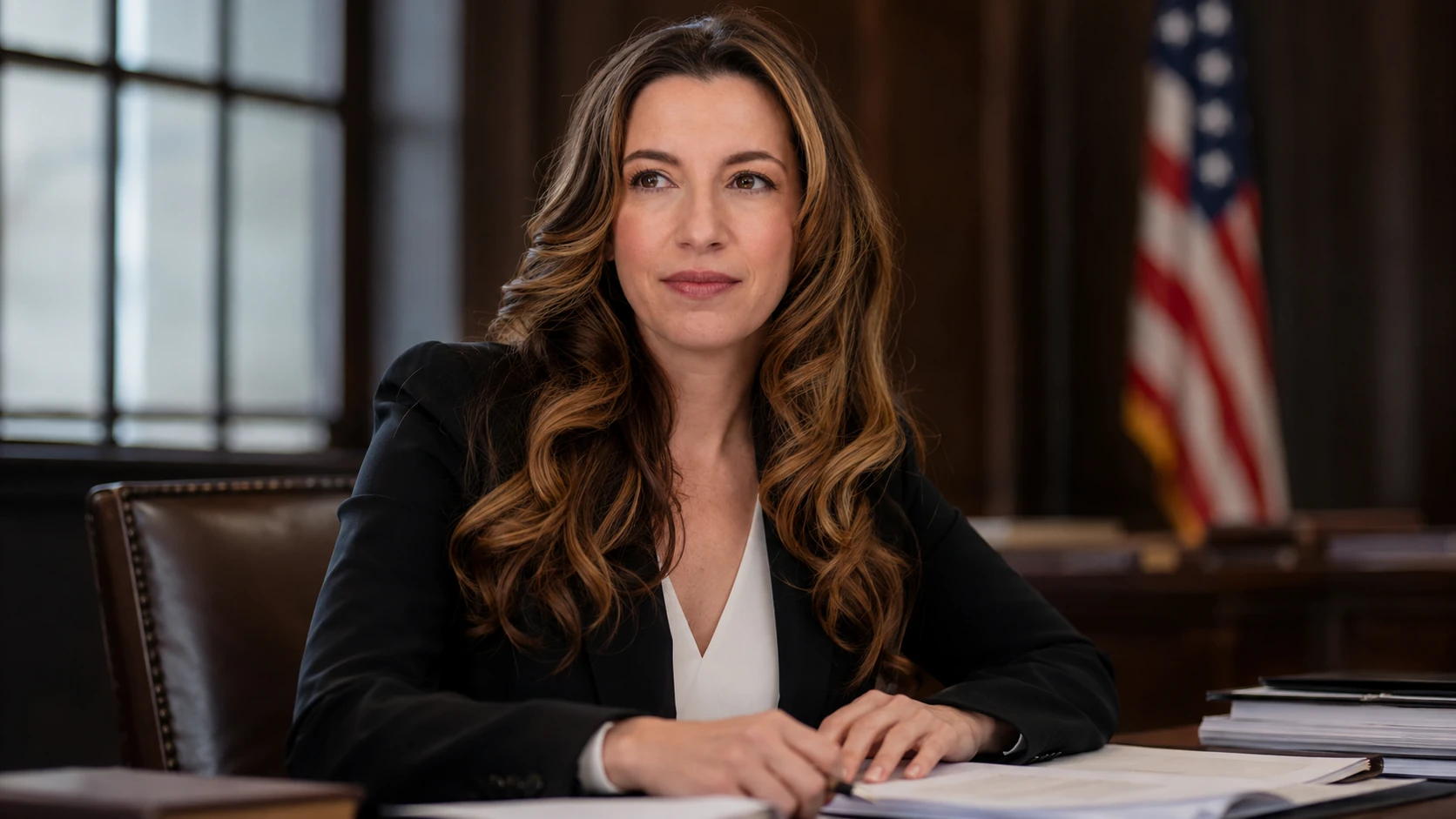
Her most senior publicly known role there was Deputy Chief of the Criminal Division. In that position, she helped supervise major criminal units and prosecutors handling sensitive investigations. This was a leadership post, not simply a courtroom title.
Greenberg’s SDNY work included oversight and involvement in areas such as securities and commodities fraud, complex frauds, cybercrime, money laundering, and transnational criminal enterprises. These are difficult areas because they often require coordination between prosecutors, federal agents, forensic analysts, regulators, and financial institutions.
She also served as Acting Co-Chief of the General Crimes Unit. That unit is often where newer federal prosecutors learn the fundamentals of criminal practice, including bail hearings, indictments, plea agreements, trials, sentencing, and evidence rules. A leadership role there reflects both experience and the ability to train younger prosecutors.
Major Cases and Legal Work
One of the most widely recognized cases connected to Greenberg is the prosecution of William “Billy” McFarland, the founder of Fyre Festival. McFarland was sentenced in 2018 to six years in prison after fraud-related convictions tied to the failed festival and related investor schemes. Greenberg was identified by the Justice Department as one of the prosecutors in charge of that matter.
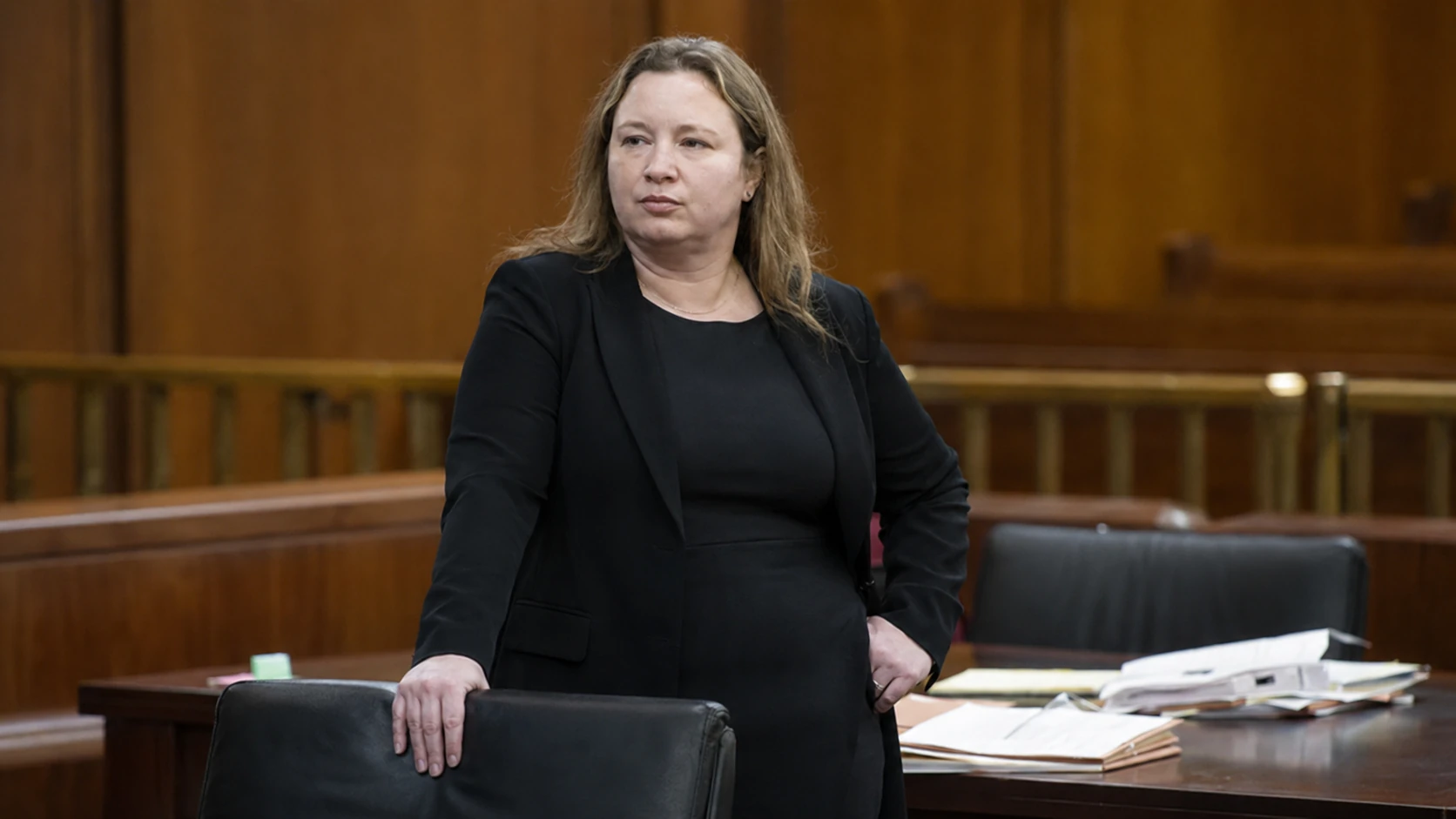
She was also connected to the prosecution of Alonzo Knowles, a Bahamian man who pleaded guilty in a case involving the hacking of private email accounts belonging to people in entertainment, sports, and media. That case reflected Greenberg’s work in cybercrime and digital privacy, two areas that have become central to modern criminal law.
Another public matter linked to her work involved alleged insider trading based on hacked information from major U.S. law firms. The case showed how cyber intrusions could be used not only to steal data but to profit through securities trading. It also demonstrated why modern prosecutors need to understand both technology and financial markets.
Greenberg’s case record helps explain her later media role. She did not enter legal commentary as a general observer. She had handled the kinds of investigations that now dominate public attention: fraud, hacking, digital records, financial misconduct, and high-profile defendants.
Cybercrime, Fraud, and Financial Investigations
Greenberg’s legal focus became especially relevant as crime moved deeper into digital systems. Hacking, email theft, cryptocurrency, online fraud, stolen credentials, and electronic communications now appear in many federal investigations. Prosecutors must be able to connect technical evidence to legal elements that can be proved in court.
Her work also touched financial misconduct, including securities and commodities fraud. These cases can involve trading records, market-moving information, corporate announcements, banking trails, and communications among defendants. They often require patience and careful evidence-building rather than dramatic courtroom moments.
Health care fraud, money laundering, and transnational criminal activity also formed part of the broader practice areas associated with her SDNY leadership. Those subjects require prosecutors to understand how money moves, how false claims are created, and how criminal conduct can cross state or national lines.
This background gives Greenberg a practical advantage in explaining legal events. She can speak not only about what the law says, but how investigations actually unfold before charges are filed, evidence is tested, and trials begin.
Move to Hogan Lovells
In September 2022, Greenberg joined Hogan Lovells as a partner in the firm’s litigation and investigations practice in New York. The move marked a major transition from public prosecution to private legal practice. After more than a decade at SDNY, she returned to a setting where she could advise companies and individuals facing legal risk.
At Hogan Lovells, her work has been associated with investigations, white-collar defense, fraud matters, cybersecurity, cryptocurrency, financial services, health care, and executive conduct. These areas closely match her government experience. Former prosecutors are often valued in private practice because they understand how federal investigations are built and how prosecutors evaluate evidence.
Her move also reflects a common pattern among senior government lawyers. Public service provides trial experience and credibility, while private practice offers a broader advisory role. For clients, a lawyer with Greenberg’s background can help assess risk before a problem becomes a criminal case.
Television Career and Public Commentary
Greenberg became more widely known through legal commentary on MS NOW, the network formerly known as MSNBC. Her television work places her among former prosecutors, judges, and defense attorneys who help viewers understand court filings, indictments, criminal investigations, and trial strategy.
Her commentary often centers on federal criminal process. That includes questions such as why prosecutors charge certain counts, what a judge may consider at sentencing, how evidence can be challenged, and why cases move slowly through the courts. These topics can be difficult for general audiences, especially when legal events are mixed with politics or public emotion.
Greenberg’s strength as a commentator comes from her SDNY experience. She can explain what happens behind the scenes without pretending to know facts that are not yet public. The best legal analysis is not prediction dressed as certainty; it is disciplined explanation based on the record.
Public Image and Online Presence
Greenberg’s public image is professional, direct, and legally focused. She presents herself as a former SDNY Criminal Division Deputy Chief, legal analyst, wife, mother, and sports fan. That combination gives the public a glimpse of personality without turning her private life into the main story.
Like many modern legal analysts, she is visible beyond television. Public social platforms and digital media have allowed lawyers to build direct relationships with viewers. Greenberg’s public-facing presence fits that trend, combining legal commentary with occasional personal context.
Still, she has kept meaningful limits around what she shares. Her private family life is not extensively documented in reliable sources. That restraint is part of why accurate profiles should not overreach.
Marriage, Children, and Private Life
Kristy Greenberg has publicly described herself as a wife and mother, but her husband’s name, children’s names, wedding date, and detailed family background are not publicly confirmed in reliable sources. This means any article claiming specific family information should be read with caution unless it points to a trustworthy source.
Her privacy is not unusual for lawyers who become television analysts after long careers in government service. Public interest may rise when someone appears frequently on national news, but that does not automatically make every personal detail public. In Greenberg’s case, the confirmed public story remains centered on her career rather than her household.
Respecting that boundary is especially important because legal commentators can attract intense political attention. Keeping family details private can be a practical choice as much as a personal one.
Kristy Greenberg Age and Birthday
Kristy Greenberg’s exact date of birth and age are not publicly confirmed. Some websites publish estimated ages, but those figures are not consistently supported by reliable records. Because of that, a precise age should not be treated as verified.
What is publicly supported is her career timeline. She graduated from Yale University, earned her law degree from Harvard Law School, and was admitted to the New York bar in 2005. She later spent more than a decade at SDNY before moving to Hogan Lovells in 2022.
That timeline gives readers a general sense of her professional seniority without requiring guesswork about her birth date. In responsible biography writing, “not publicly confirmed” is better than false precision.
Net Worth and Income Sources
Kristy Greenberg’s net worth is not publicly confirmed. There is no reliable public record showing her assets, investments, law-firm compensation, television contract terms, or household wealth. Any specific net worth figure online should be treated as an estimate unless backed by credible evidence.
Her likely income sources are easier to identify in broad terms. They include legal work, private-practice partnership compensation, and media analysis. Before that, she earned a government salary as a federal prosecutor, though exact year-by-year earnings are not part of a simple public biography.
The key point is that Greenberg’s career has included high-level roles in law and media, but no verified financial figure is available. Publishing a precise net worth would create a false sense of certainty.
Recent Work and Current Status
Greenberg’s recent public profile is tied to her legal analysis and her private-practice work. She is no longer publicly identified as an active SDNY prosecutor. Her post-government career includes Hogan Lovells and television commentary.
Her expertise remains timely because major legal stories in the United States continue to involve criminal investigations, digital evidence, fraud allegations, public officials, and disputes over prosecutorial power. Viewers turn to former prosecutors like Greenberg because they want someone who can explain how the system works beyond headlines.
As of the latest publicly available information, Greenberg continues to be known as a lawyer, former SDNY leader, and legal analyst. Her family details, exact age, and personal finances remain not publicly confirmed.
Frequently Asked Questions
Who is Kristy Greenberg?
Kristy Greenberg is an American lawyer, former federal prosecutor, former Deputy Chief of the Criminal Division at SDNY, private-practice litigation partner, and legal analyst for MS NOW. She is known for work involving cybercrime, white-collar fraud, securities matters, and complex federal investigations.
What is Kristy Greenberg known for?
She is known for her SDNY prosecution career, her leadership in criminal-division work, her involvement in cybercrime and fraud cases, and her television legal analysis. Her public profile grew as she began explaining major legal stories to national audiences.
Is Kristy Greenberg married?
Kristy Greenberg has publicly described herself as a wife and mother. Her husband’s name, wedding date, and children’s names are not publicly confirmed in reliable sources.
How old is Kristy Greenberg?
Kristy Greenberg’s exact age and date of birth are not publicly confirmed. Public records support her education, bar admission timeline, and career history, but not a verified birthday.
What is Kristy Greenberg’s net worth?
Kristy Greenberg’s net worth is not publicly confirmed. Her income likely comes from legal practice and media work, but no reliable source confirms a specific dollar amount.
Did Kristy Greenberg work on the Fyre Festival case?
Yes. Greenberg was connected to the prosecution of William “Billy” McFarland, the founder of Fyre Festival, who was sentenced in 2018 in connection with fraud-related convictions.
Is Kristy Greenberg still with SDNY?
No public information shows that Greenberg is currently serving as an SDNY prosecutor. She joined Hogan Lovells in 2022 after more than a decade at the U.S. Attorney’s Office for the Southern District of New York.
Conclusion
Kristy Greenberg’s biography is best understood through her legal record. She moved from elite academic training to federal prosecution, rose into criminal-division leadership at SDNY, and later brought that experience into private practice and public legal commentary.
Her story also shows the difference between public achievement and private life. The details of her career are well established, while her age, family specifics, and net worth remain mostly outside the public record.
That balance is part of what makes her profile distinctive. Kristy Greenberg is visible because of her expertise, not because she has chosen to make her personal life a public spectacle.
For readers, the most useful takeaway is simple: Greenberg is a serious legal professional whose public value comes from experience with complex federal cases. The verified record is strong enough without relying on gossip, guesswork, or inflated claims.
